Moisture Detection in Melbourne in Rental Properties: Step‑by‑Step Process Explained
Rental properties in Melbourne face unique challenges when it comes to moisture intrusion. High humidity, aging plumbing, roof leaks, and heavy rainfall can all contribute to unseen water accumulation within walls, ceilings, floors, or HVAC systems. Moisture, if left undetected, can lead to mold growth, structural damage, and health hazards for tenants.
For landlords and property managers, understanding how moisture detection works, recognizing early warning signs, and implementing proper monitoring strategies is crucial to maintaining safe and habitable rental units. This guide provides a step-by-step explanation of moisture detection in rental properties, including methods, tools, benefits, and prevention strategies.
Why Moisture Detection Is Important in Rental Properties
- Protects Tenant Health
- Undetected moisture can promote mold growth, which may trigger allergies, respiratory problems, and other health issues.
- Prevents Property Damage
- Water infiltration can weaken walls, ceilings, and floors, leading to costly repairs.
- Reduces Liability
- Proper moisture detection and management help landlords avoid legal issues and insurance claims related to property damage or tenant health.
- Preserves Rental Value
- Well-maintained properties with moisture control attract tenants and maintain higher rental rates.
- Early Problem Identification
- Detecting moisture before visible damage occurs minimizes repair costs and prevents widespread contamination.
Common Sources of Moisture in Melbourne Rental Properties
- Roof Leaks
- Storms, hurricanes, or aging roofs can allow water to penetrate ceilings and walls.
- Plumbing Issues
- Burst pipes, leaking faucets, or water heater malfunctions create localized flooding or ongoing dampness.
- AC Condensation
- Air conditioning systems in Florida’s humid climate can produce excess moisture if drainage is compromised.
- Flooding and Storm Surges
- Heavy rains and coastal flooding can saturate flooring, subfloors, and structural components.
- Poor Ventilation
- Bathrooms, kitchens, and attics without proper airflow trap humidity and moisture.
Early Signs of Moisture Problems
Landlords should monitor rental units for these warning signs:
- Musty or damp odors
- Visible water stains or discoloration on walls and ceilings
- Peeling paint or bubbling wallpaper
- Soft or warped flooring
- Condensation on windows, walls, or pipes
- Mold growth around vents, baseboards, or appliances
Early detection ensures tenant safety and prevents extensive property damage.
Step-by-Step Moisture Detection Process
Step 1: Visual Inspection
- Examine ceilings, walls, floors, and attics for signs of water intrusion.
- Check areas around plumbing fixtures, windows, and doors.
Step 2: Use Moisture Meters
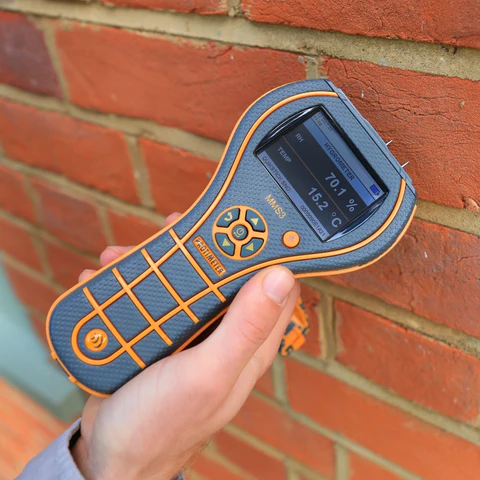
- Pin-type and pinless moisture meters measure moisture content in wood, drywall, and other building materials.
- Compare readings to standard acceptable levels to identify high-moisture zones.
Step 3: Thermal Imaging
- Infrared cameras detect temperature differences caused by hidden moisture behind walls or under floors.
- Useful for identifying leaks not visible to the naked eye.
Step 4: Hygrometer Readings
- Measure relative humidity levels in rooms, crawlspaces, or attics.
- High humidity readings indicate potential moisture accumulation.
Step 5: Sampling
- For suspected mold growth, surface or air sampling may be performed to confirm contamination.
Step 6: Documentation
- Record moisture levels, inspection locations, and potential problem areas.
- Create a plan for repair, remediation, or monitoring.
Step 7: Post-Detection Actions
- Fix the source of moisture, whether a leak, drainage issue, or ventilation problem.
- Dry affected areas using industrial fans, dehumidifiers, and air movers.
- If mold is detected, engage professional mold remediation services.
Tools Used in Moisture Detection
- Pin Moisture Meters – Measure electrical resistance to determine water content.
- Pinless Moisture Meters – Non-invasive scanning for moisture behind surfaces.
- Thermal Imaging Cameras – Detect hidden leaks using infrared technology.
- Hygrometers – Measure air humidity levels.
- Inspection Cameras – Small cameras for accessing crawlspaces, ductwork, or wall cavities.
Using professional-grade tools ensures accurate detection, even in hidden or hard-to-reach areas.
Preventive Strategies for Rental Properties
- Routine Inspections
- Regularly check plumbing, roofing, AC units, and attic spaces.
- Proper Ventilation
- Install exhaust fans in bathrooms and kitchens to reduce humidity.
- Dehumidifiers
- Use in high-humidity areas like basements or utility rooms.
- Prompt Repairs
- Address leaks, roof damage, or AC condensation issues immediately.
- Tenant Education
- Inform tenants about signs of leaks or moisture problems and encourage reporting.
- Moisture-Resistant Materials
- Consider mold-resistant drywall, flooring, and insulation in moisture-prone areas.
Benefits of Professional Moisture Detection
- Early Intervention
- Identifies water problems before they cause significant structural damage.
- Tenant Safety
- Prevents mold-related health issues and improves indoor air quality.
- Cost Savings
- Reduces expensive repairs and potential legal liabilities.
- Property Preservation
- Maintains integrity of walls, ceilings, floors, and HVAC systems.
- Peace of Mind
- Ensures rental units are safe, dry, and habitable.
Costs Associated with Moisture Detection in Melbourne
- Basic Visual Inspection: $150–$300 per unit
- Moisture Meter Readings: $200–$500 per property
- Thermal Imaging Scan: $400–$800 per unit
- Comprehensive Inspection and Sampling: $500–$1,500+
Investing in professional moisture detection helps landlords mitigate risk, maintain property value, and ensure tenant safety.
Conclusion
Moisture detection is an essential part of property management for rental homes in Melbourne. Early identification of leaks, high humidity, or water accumulation prevents mold growth, structural damage, and health hazards for tenants.
By employing a step-by-step detection process, using professional tools, and implementing preventive strategies, landlords can protect their properties, ensure safe living conditions, and reduce long-term maintenance costs. Timely moisture detection is not only a safeguard for the property but also a crucial step in maintaining tenant trust and satisfaction.