
Moisture Detection in Melbourne in Humid Summers: How to Prevent Future Damage
If you’ve spent even one full summer in Melbourne, Florida, you already understand the humidity. It’s constant. It’s heavy. And it doesn’t just stay outside.
In humid summers, moisture finds its way into homes quietly. It seeps into drywall, settles inside attic insulation, collects in ductwork, and builds up under flooring. Most of the time, you don’t see it until something changes — a faint stain, a musty odor, warped baseboards, or rising indoor humidity that your AC can’t seem to control.
Moisture detection isn’t about reacting to visible damage. In Melbourne’s climate, it’s about preventing future structural and air quality problems before they start.
What Moisture Detection Really Means
Moisture detection is the process of identifying hidden water or elevated humidity inside a home before it turns into visible damage or mold growth.
Professional detection includes:
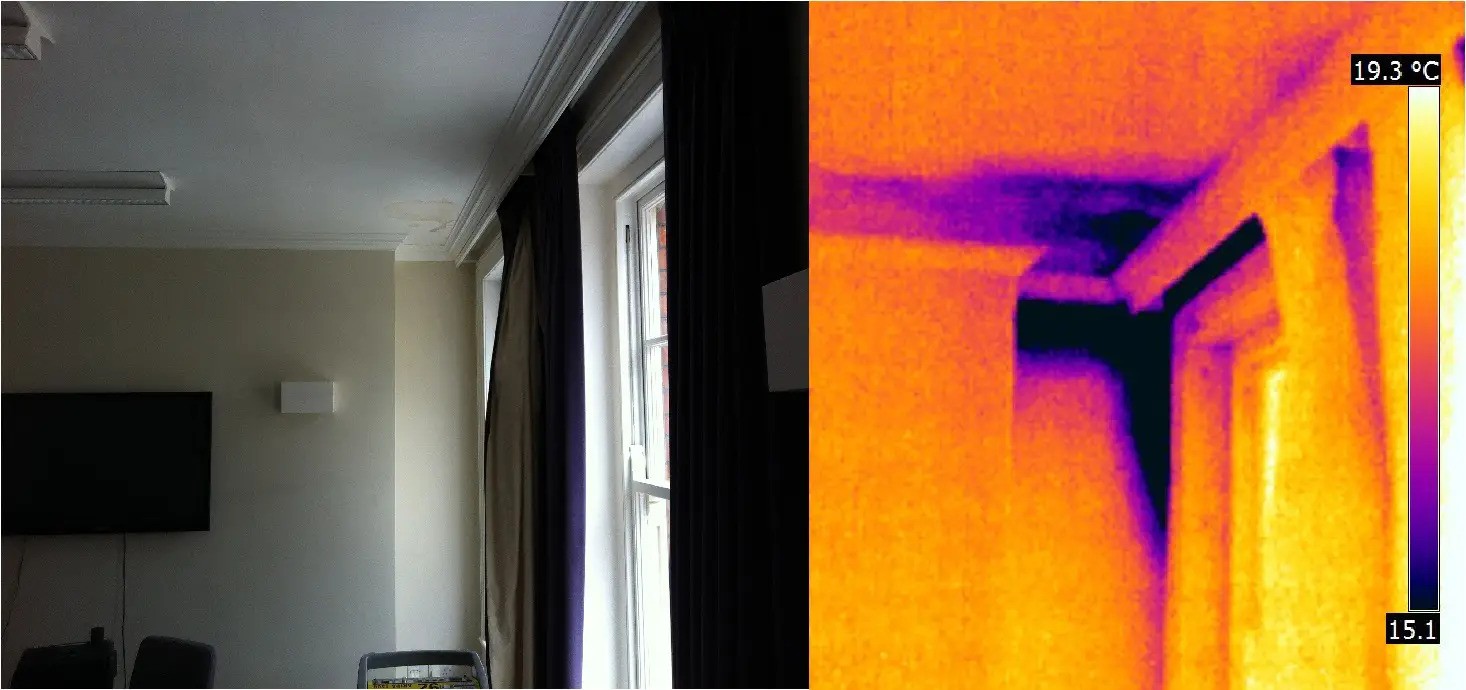
- Thermal imaging scans of walls and ceilings
- Moisture meter readings of drywall and flooring
- Attic and crawl space inspection
- AC condensate line evaluation
- Slab and plumbing moisture assessment
- Indoor humidity testing
In humid Melbourne summers, this type of inspection is proactive maintenance — not just emergency response.
Why Humid Summers in Melbourne Increase Moisture Risks
Melbourne’s summer climate creates a perfect storm for indoor moisture buildup.
High Outdoor Humidity
When outdoor humidity levels are high, even small air leaks allow moisture into the home envelope.
Constant AC Operation
Air conditioning systems run nearly nonstop during summer. While they remove moisture from the air, they also create condensation inside air handlers and ducts.
Afternoon Storms
Frequent heavy rain can expose weaknesses in roofing, flashing, and window seals.
Slab Foundations
Many homes in Melbourne are built on concrete slabs. If plumbing develops a minor leak beneath the slab, moisture may travel undetected.
Because evaporation is slower in humid environments, moisture lingers longer than homeowners expect.
Common Signs of Hidden Moisture
Moisture problems rarely start with dramatic flooding. Instead, homeowners often notice subtle changes.
- Musty or damp smell
- Bubbling paint
- Soft spots in drywall
- Warped baseboards
- Condensation on windows
- AC struggling to reduce humidity
- Uneven indoor temperatures
In neighborhoods across Melbourne, Palm Bay, and West Melbourne, these early warning signs often indicate hidden moisture behind walls or above ceilings.
Where Moisture Hides Most Often
During humid summers, moisture doesn’t just sit in obvious places. It collects in overlooked areas.
Attics
Warm attic air combined with humid conditions can cause condensation on ductwork and insulation.
Behind Shower and Tub Walls
Older tile installations may allow slow seepage over time.
Under Flooring
Moisture trapped beneath laminate or wood flooring can cause warping before stains appear.
Around Windows and Doors
Wind-driven rain during storms may enter through small gaps.
AC Closets
Clogged condensate lines often cause water buildup in air handler compartments.
Professional moisture detection focuses on these high-risk areas first.
Why Early Detection Matters
In Melbourne’s summer climate, mold can begin growing within 24–48 hours of sustained moisture exposure.
Beyond mold, prolonged moisture can cause:
- Wood rot
- Insulation deterioration
- Subfloor damage
- Structural weakening
- Higher energy costs
Addressing moisture early is far less expensive than repairing structural damage later.
Palm Bay Mold Removal frequently performs moisture detection services throughout Melbourne and surrounding Brevard County communities to prevent these long-term issues.
How Professional Moisture Detection Works
Accurate moisture detection requires more than visual inspection.
Thermal Imaging
Infrared cameras reveal temperature differences that may indicate hidden moisture.
Moisture Meters
These devices measure moisture content inside drywall, flooring, and wood framing.
Humidity Analysis
Technicians measure indoor humidity to determine whether conditions support mold growth.
Plumbing and Slab Assessment
If readings suggest a possible leak, further testing isolates the source.
This systematic process prevents unnecessary demolition while pinpointing the exact problem area.
How AC Systems Contribute to Summer Moisture
Many homeowners are surprised to learn that air conditioning systems can actually contribute to moisture issues if not maintained properly.
Common AC-related problems include:
- Clogged condensate lines
- Improperly insulated ductwork
- Leaking air handlers
- Poor attic ventilation
In Melbourne’s humid summers, even minor AC inefficiencies can create ongoing moisture conditions.
Moisture detection often includes inspection of HVAC components to ensure condensation is draining correctly.
Preventing Future Moisture Damage
Detection is only half the solution. Prevention keeps moisture from returning.
Maintain Roof and Flashing
Annual roof inspections before storm season reduce intrusion risks.
Keep Gutters and Drainage Clear
Proper exterior drainage prevents water from pooling near the foundation.
Service AC Systems Regularly
Clean condensate lines and inspect duct insulation.
Monitor Indoor Humidity
Ideal indoor humidity levels range between 40–60%.
Seal Windows and Doors
Weatherstripping and sealant help block wind-driven rain.
Homes in Melbourne, Satellite Beach, and Viera benefit greatly from routine seasonal inspections before peak summer humidity.
Crawl Spaces and Older Homes
Some older homes in Melbourne include crawl spaces. In humid summers, crawl spaces can become moisture traps.
Without proper ventilation or vapor barriers, humidity accumulates beneath the home and rises into living spaces.
Moisture detection in crawl spaces is critical to prevent:
- Mold growth under flooring
- Structural wood rot
- Elevated indoor humidity
Identifying and correcting crawl space moisture early prevents costly structural repairs.
Why DIY Moisture Checks Often Miss the Problem
Homeowners may try visual inspection or surface drying. However, hidden moisture often remains undetected.
DIY limitations include:
- Inability to see inside walls
- Lack of thermal imaging
- No calibrated moisture readings
- Misidentifying condensation as surface humidity
Without proper tools, hidden leaks or condensation patterns can continue for months unnoticed.
Professional moisture detection minimizes guesswork and avoids unnecessary wall removal.
Local Experience Makes a Difference
Moisture behaves differently in Florida than in dry climates. High humidity slows evaporation. Storms bring wind-driven rain. AC systems operate constantly.
Professionals familiar with Melbourne and surrounding areas like Rockledge, Merritt Island, and Titusville understand how regional weather patterns affect homes.
Palm Bay Mold Removal has extensive experience identifying moisture issues specific to Brevard County construction styles and summer climate conditions.
Local knowledge helps pinpoint common trouble spots quickly and efficiently.
When to Schedule Moisture Detection
Consider scheduling moisture detection if:
- You smell persistent mustiness
- Your AC runs constantly but humidity remains high
- You recently experienced heavy storms
- You’ve had previous water damage
- You’re purchasing an older Melbourne home
Early detection prevents larger restoration projects later.
Final Thoughts
Melbourne’s humid summers aren’t going anywhere. But long-term moisture damage doesn’t have to be inevitable.
Moisture detection gives homeowners clarity. It identifies hidden risks before they become visible damage. It protects structural integrity, improves air quality, and supports HVAC efficiency.
In Florida’s climate, prevention is always more cost-effective than restoration. With routine inspections and proactive maintenance, you can keep moisture under control and protect your home through even the most humid summer months.