
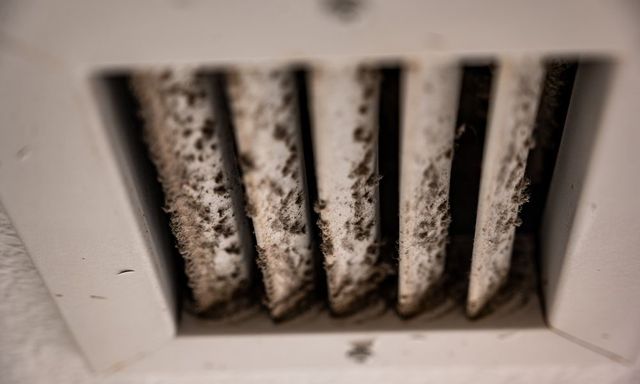
Merritt Island AC Mold Cleaning from Poor Ventilation: A Local Homeowner Guide
Air conditioning systems are essential for comfort in Merritt Island homes, especially during long, humid summers. However, when ventilation problems combine with constant humidity and cooling demands, mold can begin growing inside AC systems and ductwork without homeowners realizing it.
Poor ventilation allows moisture to become trapped inside attics, ducts, and HVAC equipment. Over time, this moisture creates the perfect environment for mold growth. Once mold forms inside the air conditioning system, spores can circulate throughout the home, affecting indoor comfort and air quality.
Understanding how mold develops in AC systems—and how professional cleaning and ventilation improvements help—can protect homes from costly repairs and recurring moisture problems.
How Poor Ventilation Leads to AC Mold Growth
Ventilation plays a major role in keeping moisture levels balanced inside a home. When airflow is restricted, humid air remains trapped in spaces such as attics and ceiling cavities, where HVAC systems are often installed.
This trapped moisture commonly affects:
• Air handlers located in attic spaces
• Duct insulation surrounding duct runs
• Cooling coils inside HVAC units
• Drain pans and condensate lines
• Flexible duct liners
Air conditioning systems naturally produce condensation as they cool air. When ventilation is poor, this moisture cannot dry properly, allowing mold to grow on system components.
Because duct systems circulate air throughout the home, mold spores spread quickly once contamination begins.
Why Merritt Island Homes Face Ventilation Challenges
Homes in Merritt Island, Cocoa Beach, Palm Bay, and surrounding coastal communities experience year-round exposure to high humidity. Several local factors contribute to ventilation-related moisture problems.
Common causes include:
• High outdoor humidity levels
• Older attic ventilation designs
• Sealed homes limiting airflow
• Hot attic temperatures creating condensation
• Exhaust fans not venting outdoors
• Crawl spaces with limited airflow
Many Florida homes are tightly sealed to improve cooling efficiency. While this reduces energy loss, it can also trap humidity indoors if ventilation systems are not properly designed.
As a result, moisture quietly builds up in hidden spaces.
Warning Signs Mold May Be Growing in Your AC System
Mold growth inside HVAC systems is rarely visible at first. Instead, homeowners typically notice changes in indoor air quality.
Common warning signs include:
• Musty smells when AC runs
• Persistent damp odors indoors
• Increased indoor humidity
• Mold spots around air vents
• Allergy irritation indoors
• AC system struggling to cool evenly
• Stale or heavy indoor air
Sometimes homeowners assume the smell comes from outside humidity, when the source is actually mold inside ducts.
Ignoring these symptoms allows contamination to spread further.
Hidden Areas Mold Often Develops
Poor ventilation allows moisture to collect in areas homeowners rarely inspect.
Common hidden mold locations include:
• Inside attic air handlers
• Within flexible duct insulation
• Inside duct liners
• Ceiling cavities around vents
• HVAC drain pans and coils
Mold growth in these locations often goes unnoticed until odors become strong or air quality declines significantly.
Professional inspections help uncover hidden contamination.
Why DIY Cleaning Attempts Usually Fail
Homeowners sometimes try replacing filters or cleaning vents, hoping to eliminate odors. While helpful, these steps rarely address mold deeper inside the system.
DIY methods cannot remove:
• Mold growing inside ducts
• Contamination inside air handlers
• Wet insulation surrounding ducts
• Hidden moisture sources
Improper cleaning attempts may even spread spores further throughout the home.
Professional cleaning uses specialized equipment to safely remove contamination.
How Professional AC Mold Cleaning Works
Professional AC mold cleaning focuses on restoring both system cleanliness and proper airflow.
Cleaning typically involves:
• Inspection of HVAC components
• Checking duct interiors for contamination
• Cleaning coils and drain pans
• HEPA vacuum extraction inside ducts
• Removal of contaminated insulation when necessary
• Sanitizing system components
• Drying affected areas
Technicians also identify moisture sources so mold does not return.
Local professionals familiar with Brevard County housing conditions, including teams such as Palm Bay Mold Removal, understand how ventilation problems affect local HVAC systems and how to correct them.
Mold and Indoor Air Quality Problems
When mold grows inside AC systems, spores circulate throughout the home each time the system runs.
Homeowners may experience:
• Persistent musty odors
• Increased dust accumulation
• Allergy-like irritation indoors
• Humid, uncomfortable air
Poor air quality affects comfort and can make homes feel damp even when temperatures are normal.
Cleaning HVAC systems helps restore cleaner airflow and improves overall indoor comfort.
How Ventilation Improvements Prevent Mold Return
Cleaning mold alone does not solve the problem if ventilation issues remain. Improving airflow is critical to preventing future moisture buildup.
Common ventilation improvements include:
• Adding or improving attic ventilation
• Ensuring bathroom fans vent outdoors
• Repairing damaged duct insulation
• Sealing duct leaks
• Improving airflow in crawl spaces
• Maintaining proper indoor humidity levels
Ventilation upgrades help moisture escape instead of becoming trapped.
Water Damage and AC Mold Growth
Many HVAC mold problems begin after roof leaks or storm damage introduce moisture into attic spaces.
Water may soak:
• Attic insulation around ducts
• HVAC equipment surfaces
• Ceiling cavities
• Duct connections
If materials remain damp, mold can develop quickly.
Proper drying and restoration after water damage helps prevent HVAC contamination.
Preventing AC Mold Problems in Merritt Island Homes
Homeowners can reduce risk by maintaining HVAC systems and improving ventilation.
Recommended prevention steps include:
• Servicing AC systems annually
• Inspecting attic conditions after storms
• Monitoring humidity levels indoors
• Replacing filters regularly
• Inspecting ducts for condensation
• Repairing leaks quickly
Routine maintenance prevents moisture buildup that leads to mold growth.
Why Local Experience Matters
Homes across Merritt Island, Rockledge, Satellite Beach, and Palm Bay share similar construction styles and climate challenges.
Local professionals understand:
• Coastal humidity effects on HVAC systems
• Common attic ventilation problems
• Moisture patterns after storms
• Construction methods common in Brevard County
Experience with local housing allows faster identification of problems and more effective solutions.
Protecting Indoor Comfort Year-Round
Poor ventilation and AC mold problems often develop slowly, making them easy to overlook until odors or air quality issues become severe.
If your home smells musty when the AC runs, feels humid indoors, or shows mold near vents, professional inspection and cleaning may help restore healthy airflow.
Trusted local providers such as Palm Bay Mold Removal help homeowners identify moisture and ventilation issues, clean contaminated systems, and recommend solutions that keep homes comfortable.
Taking action early helps Merritt Island homeowners maintain cleaner air, healthier living spaces, and HVAC systems that perform reliably throughout Florida’s humid seasons.