
Merritt Island AC Mold Cleaning from AC Condensation: Inspection and Repair Guide
On Merritt Island, air conditioning systems work almost year-round. Between high lagoon humidity, summer storms, and long cooling seasons, AC units constantly pull moisture from indoor air. That moisture is supposed to drain safely away through the condensate system.
When it doesn’t, problems begin.
AC condensation is one of the most common causes of mold growth in Merritt Island homes. The issue often develops quietly — inside air handlers, along evaporator coils, or within attic duct insulation. By the time a musty odor becomes noticeable, moisture may have been present for weeks.
This inspection and repair guide explains how AC condensation leads to mold, how professional cleaning works, and what homeowners can do to prevent future damage.
Why AC Condensation Is a Bigger Issue on Merritt Island
Merritt Island is surrounded by water. The Indian River Lagoon and Banana River contribute to consistently high humidity levels. Even when it’s not raining, the air carries moisture.
When warm, humid air passes over cold evaporator coils inside your AC system, condensation forms. This is normal. That water should flow into a drain pan and exit through a condensate line.
Problems develop when:
Condensate drain lines clog
Drain pans crack or rust
Airflow is restricted
Duct insulation deteriorates
Attic temperatures rise excessively
In Florida’s humid environment, even small drainage issues can allow moisture to accumulate quickly.
Homes in nearby Cocoa Beach and Titusville face similar challenges, but Merritt Island’s proximity to lagoon humidity often increases indoor moisture pressure.
Early Warning Signs of AC Condensation Mold
Condensation-related mold rarely starts with visible black patches. It usually begins with subtle signs.
Musty odor when the AC turns on
Visible staining around air vents
Water pooling near the air handler
Elevated indoor humidity
Reduced airflow in certain rooms
If the odor fades after the system runs for a while, it should still be investigated.
Drain line blockages are one of the most common early causes.
Step 1: Identify and Correct the Moisture Source
Mold cleaning must begin with moisture correction.
Inspection should focus on:
Evaporator coils
Condensate drain lines
Drain pans
Air handler compartments
Duct insulation
Attic ventilation
If the condensate line is clogged, it must be cleared completely.
If insulation is damaged or saturated, it may require replacement.
Palm Bay Mold Removal often begins AC mold cleaning projects in Merritt Island with detailed moisture detection around HVAC components.
Step 2: Moisture Detection and Airflow Evaluation
Surface inspection is not enough.
Moisture meters measure dampness in surrounding drywall and framing. Thermal imaging can identify temperature differences indicating trapped moisture.
Airflow balance should also be evaluated.
Restricted airflow causes coils to freeze, increasing condensation when thawing occurs.
Dirty filters are a common contributor to airflow restriction.
Proper airflow ensures moisture drains as designed.
Step 3: Containment During Cleaning
If mold growth is present inside the air handler or adjacent walls, containment may be used to prevent spread.
Plastic barriers isolate affected areas. HEPA filtration units may operate during cleaning.
This protects indoor air quality while removal takes place.
Containment is especially important in open floor plan homes common on Merritt Island.
Step 4: Cleaning and Component Treatment
Professional AC mold cleaning typically includes:
Cleaning evaporator coils
Clearing and flushing condensate lines
Disinfecting drain pans
Removing contaminated insulation when necessary
Replacing air filters
The goal is thorough removal of contamination while restoring proper drainage and airflow.
Surface wiping alone is not sufficient.
Step 5: Structural Drying and Humidity Control
After cleaning, affected areas must be dried completely.
Commercial dehumidifiers and air movers may be used to reduce moisture levels in surrounding walls or ceilings.
Indoor humidity should remain below 60 percent.
In Merritt Island’s climate, this often requires consistent HVAC performance and possibly supplemental dehumidification.
Moisture readings confirm when drying is complete.
Ductwork Considerations
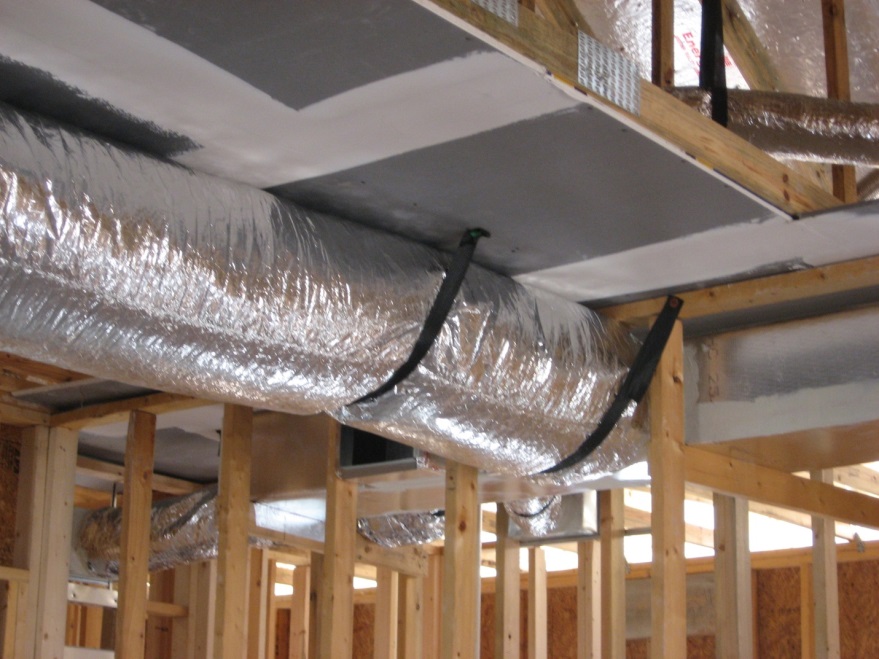
Attic-installed ducts are common in Merritt Island homes.
If duct insulation becomes damp due to condensation, airflow efficiency declines.
Signs of duct-related condensation include:
Dark staining around vents
Sagging flexible ducts
Excess attic humidity
Uneven cooling
Damaged insulation should be replaced to prevent recurring moisture buildup.
Duct inspection may be recommended during AC mold cleaning projects.
Attic Ventilation and Coastal Humidity
Attic heat intensifies condensation risk.
If attic ventilation is inadequate, hot air becomes trapped. This increases temperature differences between attic air and cooled duct surfaces.
Improving ridge vents, soffit vents, or attic fans reduces moisture stress on HVAC components.
After hurricane season, attic inspection is especially important.
Preventing Future AC Mold Problems
Prevention requires consistent maintenance.
Flush condensate drain lines regularly
Replace filters every 1–3 months
Schedule annual HVAC inspections
Monitor indoor humidity
Inspect attic duct insulation
Address minor odors immediately
A simple float switch installation on the drain pan can help detect overflow early.
Routine servicing prevents small drainage issues from escalating.
Why Local Experience Matters
Merritt Island’s lagoon humidity creates moisture patterns different from inland communities like West Melbourne or Palm Bay.
Professionals familiar with Brevard County construction styles understand common air handler placements and attic duct configurations in island homes.
Palm Bay Mold Removal has worked extensively throughout Merritt Island and surrounding areas, addressing AC condensation issues specific to Florida’s coastal environment.
Protecting Your Home Long-Term
AC condensation is normal. Persistent moisture buildup is not.
Mold cleaning in Merritt Island homes must focus on identifying drainage issues, correcting airflow imbalance, and stabilizing humidity.
Ignoring early warning signs such as musty odors or water pooling can lead to structural damage and repeated remediation.
With proper inspection, targeted cleaning, and preventative HVAC maintenance, homeowners can protect both indoor air quality and long-term system performance.
In Florida’s humid climate, proactive moisture control remains the most effective defense against AC-related mold growth.