
Melbourne Water Leak Detection After Roof Leaks: Complete Guide for Homeowners
In Melbourne, roof leaks rarely announce themselves with a dramatic drip in the middle of the living room.
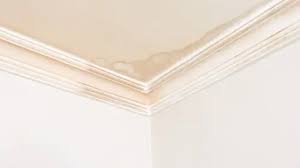
More often, it starts subtly. A faint ceiling stain. A slight musty smell after a storm. Paint that bubbles near a window corner. By the time you notice something obvious, water may have already traveled through insulation, framing, and wall cavities.
That’s why proper water leak detection after roof damage is so important — especially in Florida’s humid climate, where moisture lingers longer than homeowners expect.
This guide explains how leak detection works, why it matters, and how it protects your Melbourne home from long-term structural damage.
Why Roof Leaks Are More Complicated in Melbourne
Melbourne homes deal with:
- Heavy summer rain
- Hurricane and tropical storm exposure
- Wind-driven rain intrusion
- High year-round humidity
- Salt-heavy coastal air that accelerates flashing wear
Even a small roof penetration can allow water into attic insulation. Once inside, water rarely stays directly under the entry point.
It follows framing, spreads laterally, and may appear far from the original leak source.
Common Signs of a Roof-Related Water Leak
Homeowners in Melbourne often notice:
- Brown or yellow ceiling stains
- Peeling or bubbling paint
- Soft drywall near upper walls
- Musty odor after rain
- AC odor when the system turns on
- Warped baseboards if water migrates downward
These signs usually indicate that water has already traveled beyond the surface.
Why Professional Leak Detection Matters
Fixing visible damage without locating the full extent of moisture often leads to recurring problems.
Proper leak detection focuses on:
- Identifying hidden damp areas
- Determining how far water spread
- Confirming whether insulation is saturated
- Assessing HVAC involvement
- Preventing mold growth
In Florida, guessing isn’t enough.
Step-by-Step Roof Leak Detection Process
Step 1: Exterior Roof Assessment
Inspection begins with checking:
- Flashing around chimneys and vents
- Shingle condition
- Roof penetrations
- Soffits and fascia
- Gutter alignment
Wind-driven rain can push water under otherwise intact shingles.
Step 2: Attic Inspection
Attics are critical in Melbourne homes.
Inspection includes:
- Insulation dampness
- Roof sheathing discoloration
- Moisture near vent boots
- Framing darkening
- Duct insulation condition
Wet insulation often holds moisture long after the storm ends.
Step 3: Interior Moisture Mapping
Moisture meters are used to check:
- Ceiling drywall
- Upper wall sections
- Baseboards
- Subfloor areas
- Adjacent rooms
Water often spreads beyond visible stains.
Mapping identifies hidden damp zones.
Step 4: Thermal Imaging (When Needed)
Thermal imaging can reveal temperature variations that suggest hidden moisture behind surfaces.
Readings are confirmed with direct moisture measurement to avoid false positives.
Step 5: HVAC Evaluation
If the AC system ran during or after the leak:
- Duct insulation may be damp
- Return chases may have pulled humid air
- Condensate systems may be stressed
HVAC inspection ensures moisture isn’t circulating through the system.
How Leak Detection Prevents Larger Repairs
Early detection can:
- Prevent drywall collapse
- Reduce insulation replacement
- Stop moisture from reaching flooring
- Prevent mold development
- Protect structural framing
Waiting increases the affected area and repair cost.
What Happens If Moisture Isn’t Found Completely
In Melbourne’s humid climate, incomplete detection can lead to:
- Mold growth within 24–48 hours
- Persistent musty odor
- Ceiling sagging
- Wood rot
- HVAC contamination
- Repeated staining after repairs
Surface repairs without moisture confirmation often fail.
Cost Factors for Roof Leak Detection
Leak detection costs vary based on:
- Size of the home
- Attic accessibility
- Extent of visible damage
- HVAC involvement
- Use of advanced detection tools
Early inspections typically reduce total restoration expenses.
Preventing Roof Leak Problems in Melbourne
Homeowners can reduce risk by:
- Inspecting roofs annually
- Checking flashing before hurricane season
- Monitoring attic insulation after major storms
- Clearing gutters regularly
- Maintaining indoor humidity below 55%
- Addressing ceiling stains immediately
Routine attention prevents emergency repairs.
Why Local Experience Matters
Water leak behavior in Melbourne differs from dry climates because of:
- High baseline humidity
- Frequent storm cycles
- Slab foundation moisture migration
- Salt corrosion
- Attic duct exposure
Homes in Melbourne, West Melbourne, Palm Bay, Viera, Merritt Island, and Satellite Beach share similar environmental patterns.
Palm Bay Mold Removal regularly performs moisture detection and post-storm inspections throughout Brevard County, focusing on identifying hidden moisture before repairs begin.
Because in Florida, controlling humidity and confirming dryness are just as important as fixing the roof.
A Practical Next Step
If you notice ceiling stains, musty odors, or soft drywall after a storm, schedule structured leak detection rather than waiting.
Roof leaks rarely resolve themselves.
Early moisture mapping protects your home’s structure, reduces repair costs, and prevents mold growth in Melbourne’s humid climate.