
Melbourne Mold Remediation After Roof Leaks: What Homeowners Should Know
In Melbourne, roof leaks are rarely dramatic at first. A lifted shingle after a storm. A small flashing gap around a vent. A cracked seal near a skylight. The water intrusion may be minor — barely noticeable — until a ceiling stain appears weeks later.
But in Florida’s humid climate, moisture doesn’t need much time to cause trouble. When water enters attic insulation or drywall and stays trapped, mold can begin developing quickly. By the time visible staining appears inside the home, growth may already be active above the ceiling.
Mold remediation after roof leaks in Melbourne isn’t just about cleaning what you see. It’s about identifying hidden moisture, correcting the source, and restoring the home in a way that prevents the problem from returning.
Here’s what homeowners should understand.
Why Roof Leaks in Melbourne Lead to Mold So Easily
Melbourne homes face:
Heavy summer rains
Hurricane-force winds
Wind-driven rain intrusion
High year-round humidity
Long air-conditioning cycles
When roof leaks occur, moisture often enters attic insulation first. Insulation absorbs water and holds it against roof decking and framing. In a humid environment, drying is slow — especially in attics with limited ventilation.
Homes in nearby West Melbourne and Palm Bay experience similar weather exposure, but roof age and ventilation design determine how moisture spreads.
Even small leaks can result in significant hidden mold growth if not addressed quickly.
Early Signs You Should Not Ignore
After a roof leak, monitor for:
Expanding ceiling stains
Peeling paint near rooflines
Musty odors after rain
Soft drywall
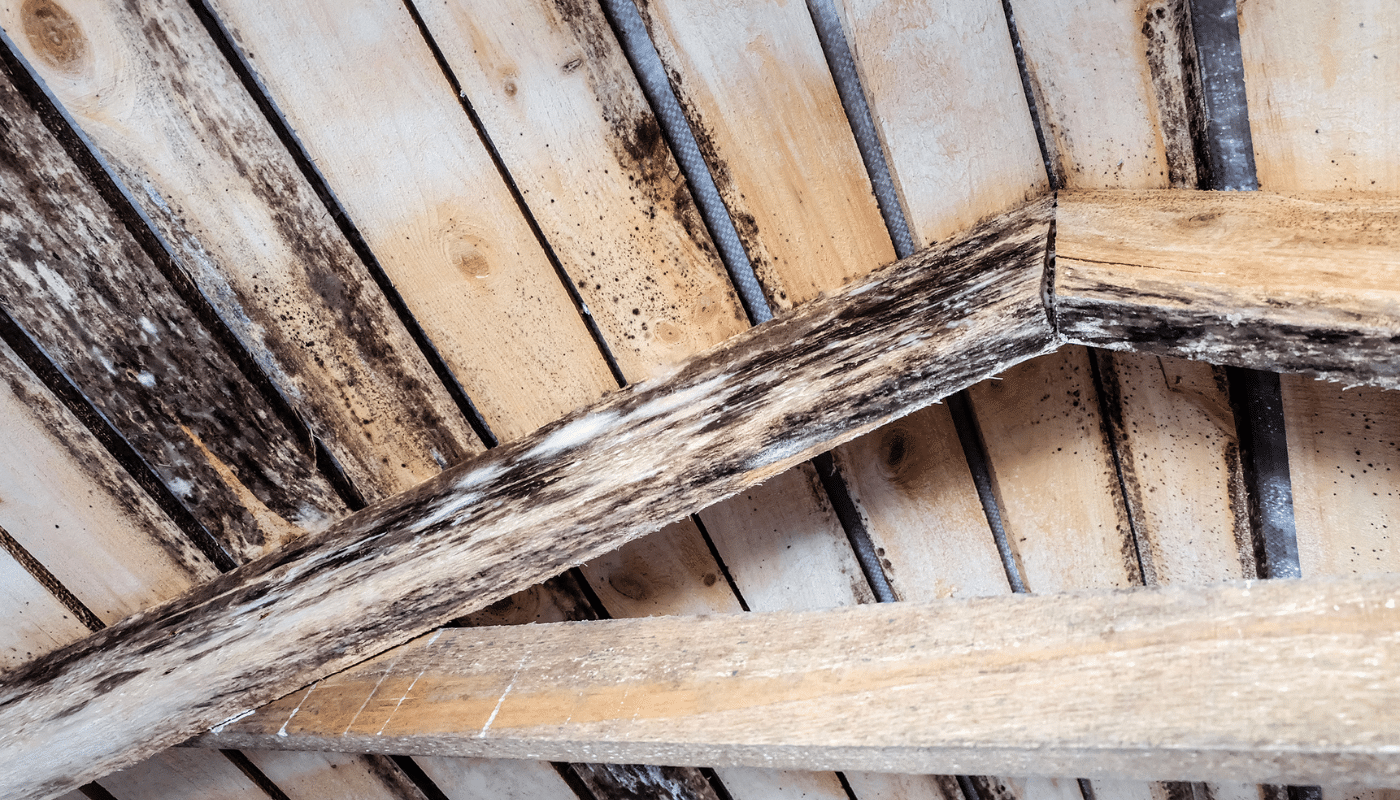
Dark streaking on attic wood
Humidity levels above 60 percent
Sometimes odor is the only warning sign.
Water often travels along framing before becoming visible in living spaces.
Ignoring early signs increases remediation scope and cost.
The Mold Remediation Process After Roof Leaks
Step 1: Confirm Roof Repair Is Complete
Before remediation begins, the roof must be fully repaired.
This may involve:
Replacing damaged shingles
Repairing flashing
Sealing roof penetrations
Clearing clogged gutters
Without correcting the source, mold will return.
Palm Bay Mold Removal typically verifies that roof repairs are complete before beginning remediation in Melbourne homes.
Step 2: Detailed Inspection and Moisture Detection
Inspection includes:
Attic insulation
Roof decking
Ceiling cavities
Wall framing
HVAC ducts in attic spaces
Moisture meters measure dampness in drywall and framing.
Thermal imaging may identify hidden moisture pathways.
Surface dryness does not confirm structural dryness.
Mapping moisture ensures no affected areas are overlooked.
Step 3: Containment
Containment prevents particles from spreading into unaffected areas.
Plastic barriers isolate the workspace.
Negative air machines maintain controlled airflow.
HEPA filtration captures airborne particles during remediation.
Proper containment protects indoor environments.
Step 4: Removal of Contaminated Materials
Porous materials that cannot be cleaned may require removal.
This may include:
Saturated insulation
Lower sections of drywall
Baseboards
Selective removal limits reconstruction scope.
Leaving contaminated materials increases recurrence risk.
Step 5: Cleaning and Surface Treatment
Structural components are cleaned using:
HEPA vacuuming
Targeted cleaning methods
Surface wiping of framing
Cleaning removes residual contamination.
Odor often improves significantly once growth is removed.
Step 6: Controlled Drying
Drying stabilizes moisture levels before reconstruction.
This includes:
Commercial dehumidifiers
Air movers
Humidity monitoring
Indoor humidity should remain below 60 percent.
Moisture readings confirm structural stability before rebuilding begins.
Why DIY Cleanup Is Not Enough
Homeowners sometimes attempt to:
Spray cleaners on visible spots
Paint over stained ceilings
Remove small drywall sections
These actions may address surface staining but do not:
Correct hidden moisture
Identify attic contamination
Stabilize humidity levels
Prevent recurrence
Professional remediation ensures both contamination and moisture sources are addressed properly.
Preventing Mold After Future Roof Leaks
Melbourne homeowners can reduce recurrence risk by:
Inspecting roofs annually
Checking attics after major storms
Ensuring soffit and ridge vents remain clear
Monitoring indoor humidity
Addressing minor stains immediately
Maintaining HVAC systems
Routine inspection is far less costly than repeated remediation.
Preventative maintenance protects long-term property value.
Attic Ventilation and HVAC Considerations
After roof leaks, attic airflow should be evaluated.
Poor ventilation traps humid air against roof decking.
HVAC duct insulation should be inspected for dampness.
Drain lines and filters should be maintained regularly.
Balanced airflow reduces condensation risk.
The Importance of Local Experience
Melbourne homes vary in age and roof design — from older shingle systems to newer architectural roofing.
Florida’s coastal humidity creates moisture patterns different from drier climates.
Professionals familiar with Brevard County construction understand slab foundations, attic layouts, and HVAC configurations common in Melbourne neighborhoods.
Palm Bay Mold Removal has worked extensively throughout Melbourne and surrounding communities, addressing roof-leak-related mold issues specific to Florida’s environment.
Protecting Your Home After a Roof Leak
Mold remediation in Melbourne after roof leaks requires more than surface cleaning. It demands structured inspection, moisture mapping, containment, controlled drying, and preventative planning.
Ignoring musty odors or minor ceiling stains often leads to larger repairs later.
By combining prompt roof repair, professional remediation, humidity control, and routine maintenance, homeowners can protect their properties effectively.
In Florida’s humid climate, early inspection and thorough remediation remain the most reliable strategies for preventing long-term roof-leak mold damage.