
Melbourne Moisture Detection in Residential Homes: How to Prevent Future Damage
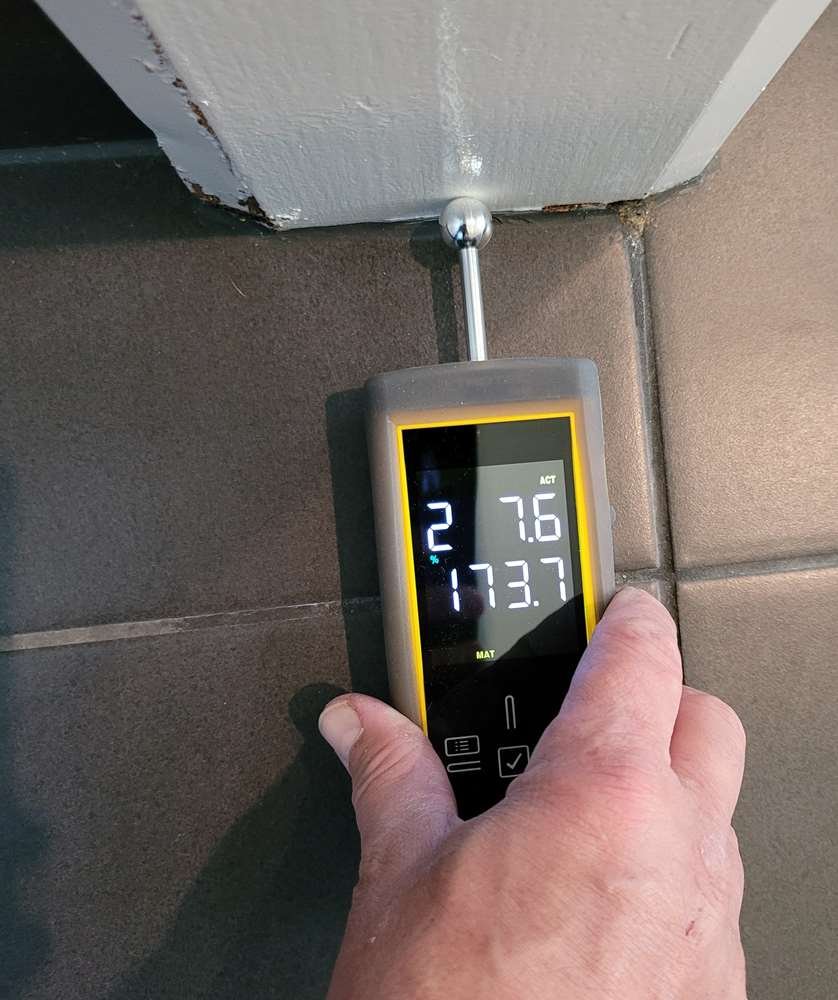
Moisture problems are a hidden but significant threat in Melbourne residential homes. Florida’s humid climate, frequent rain, and occasional storm events make properties particularly susceptible to water intrusion, condensation, and elevated indoor humidity. Undetected moisture can lead to mold growth, structural damage, electrical hazards, and decreased indoor air quality.
Professional moisture detection is critical for homeowners to identify potential problems early, prevent damage, and maintain a safe and comfortable living environment. This guide provides a comprehensive overview of moisture detection in Melbourne homes, including common causes, warning signs, inspection processes, costs, and strategies to prevent future damage.
Why Moisture Detection Is Critical
Moisture can be invisible but destructive. Without proper detection, water can accumulate in walls, floors, attics, and basements, causing long-term problems. Benefits of professional moisture detection include:
- Early Problem Identification: Detects water intrusion or elevated humidity before structural damage occurs.
- Mold Prevention: Stops mold growth by addressing moisture sources promptly.
- Structural Protection: Prevents wood rot, foundation damage, and deterioration of drywall or insulation.
- Health Protection: Reduces allergens and microbial growth that impact indoor air quality.
- Cost Savings: Early detection avoids expensive repairs and remediation.
Moisture detection provides homeowners with the knowledge they need to act quickly and protect their property and family health.
Common Causes of Moisture in Melbourne Homes
Several factors make residential properties in Melbourne prone to moisture issues:
1. Roof Leaks
Damaged shingles, aging roofing materials, and storm-related damage allow water to seep into attics and ceilings.
2. Plumbing Issues
Leaking pipes, water heaters, or faucets can create localized water problems within walls, under floors, and near appliances.
3. HVAC Condensation
Air conditioning units, ductwork, and condensate lines can introduce moisture into homes, especially in poorly maintained systems.
4. Flooding and Storm Surges
Heavy rain and hurricane events can infiltrate basements, garages, or first-floor areas, saturating building materials.
5. High Humidity
Florida’s tropical climate causes condensation on windows, walls, and cold surfaces, promoting damp conditions.
6. Poor Drainage
Improper grading, clogged gutters, or inadequate exterior drainage can allow water to pool near foundations and seep indoors.
Warning Signs of Excess Moisture
Homeowners should be vigilant for the following indicators:
- Musty Odors: Often the first sign of hidden moisture and mold.
- Visible Water Stains or Discoloration: On ceilings, walls, baseboards, or around windows.
- Warped or Peeling Materials: Bubbling paint, warped wood, or sagging ceilings indicate water damage.
- Mold Growth: Black, green, or white patches on walls, ceilings, or floors.
- Condensation: Water droplets on windows, pipes, or floors, especially in humid conditions.
- Increased Pest Activity: Termites, ants, or rodents may be attracted to damp areas.
- Structural Damage: Soft or spongy floors, doors sticking, or creaking floors can signal water intrusion.
Ignoring these signs can lead to extensive property damage and increased remediation costs.
Professional Moisture Detection Process
Certified home inspectors or moisture detection specialists follow a detailed procedure:
Step 1: Initial Visual Inspection
Inspectors examine the property for visible signs of leaks, water stains, or mold growth.
Step 2: Moisture Meter Testing
Moisture meters measure water content in walls, floors, ceilings, and structural materials to identify hidden damp areas.
Step 3: Infrared Thermal Imaging
Thermal cameras detect temperature differences in building materials that indicate moisture accumulation behind walls or under floors.
Step 4: Hygrometer and Humidity Assessment
Indoor humidity is measured to determine areas at risk for condensation and mold growth.
Step 5: Targeted Sampling
In some cases, inspectors collect samples of building materials or air for laboratory analysis to identify mold or microbial presence.
Step 6: Reporting and Recommendations
Homeowners receive a comprehensive report detailing:
- Moisture locations and levels
- Potential sources of water intrusion
- Recommended repairs and preventive measures
- Strategies to prevent future moisture problems
Benefits of Professional Moisture Detection
- Hidden Issue Identification: Detects water that is not visible to the naked eye.
- Mold Prevention: Allows early remediation before mold spreads.
- Structural Protection: Protects wood, drywall, flooring, and insulation from deterioration.
- Health Protection: Minimizes exposure to allergens, mold spores, and bacteria.
- Insurance Support: Provides documentation for claims related to water damage.
Costs of Moisture Detection in Melbourne
Costs depend on home size, inspection scope, and technology used:
- Small homes (1–2 bedrooms): $200–$400
- Medium homes (3 bedrooms): $400–$700
- Large or multi-story homes: $700–$1,200+
Advanced testing, including thermal imaging or laboratory analysis, may increase costs but provides more accurate results and long-term savings.
Post-Detection Steps
After moisture detection, homeowners should:
- Repair Leaks: Fix roofing, plumbing, or drainage issues immediately.
- Dry Affected Areas: Use dehumidifiers, fans, and ventilation to reduce moisture levels.
- Remediate Mold: Engage certified mold remediation professionals if mold is present.
- Replace Damaged Materials: Remove and replace wet insulation, drywall, or flooring.
- Monitor Humidity: Keep indoor humidity below 60% to prevent condensation and mold growth.
- Routine Inspection: Schedule annual or biannual moisture checks, especially after storms.
Preventive Strategies for Homeowners
- Roof Maintenance: Inspect and repair shingles, flashing, and gutters regularly.
- HVAC Maintenance: Clean ducts, replace filters, and ensure proper condensation drainage.
- Plumbing Care: Regularly inspect pipes, faucets, and water heaters for leaks.
- Proper Drainage: Ensure exterior grading and gutter systems direct water away from the home.
- Install Dehumidifiers: Particularly in basements, crawlspaces, and high-humidity rooms.
- Storm Preparedness: Protect vulnerable areas and address minor leaks before hurricane season.
- Use Moisture-Resistant Materials: Consider mold-resistant drywall, insulation, and paints in damp-prone areas.
Real-World Example
A Melbourne homeowner noticed a musty odor and minor water stains after heavy rainfall. Moisture detection revealed:
- Elevated moisture in the attic insulation and around roof penetrations
- Minor water intrusion behind drywall in a second-floor bedroom
Remediation included:
- Roof repair and flashing replacement
- Removal and replacement of wet insulation and drywall
- Installation of dehumidifiers in the attic
- Follow-up testing confirmed moisture levels were normalized
Early detection prevented mold growth, structural damage, and costly repairs, preserving the home’s safety and value.
Choosing a Professional Moisture Detection Service
Homeowners should select a provider who:
- Holds proper licensing, insurance, and certifications
- Uses advanced tools such as moisture meters, thermal imaging cameras, and hygrometers
- Has experience with residential water intrusion and mold prevention
- Provides a detailed report with actionable recommendations
- Offers post-remediation verification services
Avoid companies that rely solely on visual inspections without specialized detection tools.
Final Thoughts
Moisture detection in Melbourne residential homes is essential for protecting property, health, and long-term value. Professional services provide:
- Early identification of hidden water intrusion
- Prevention of mold and structural damage
- Guidance for repairs and preventive measures
- Peace of mind for homeowners
By addressing moisture problems promptly, implementing professional recommendations, and maintaining preventive strategies, Melbourne homeowners can protect their properties from future water damage and maintain a healthy, comfortable living environment.