
Melbourne Moisture Detection After Hurricanes: How to Prevent Future Damage
Hurricanes can leave behind more than visible structural damage. In Melbourne, heavy rain, storm surge, and wind-driven moisture often infiltrate homes in subtle ways. While missing shingles or broken windows are easy to identify, hidden moisture trapped in drywall, insulation, subflooring, and framing can quietly cause long-term destruction.
Moisture detection after hurricanes is one of the most critical services homeowners can invest in. Identifying hidden dampness early helps prevent mold growth, wood rot, structural weakening, and indoor air quality problems. Without proper inspection and drying, even minor storm exposure can evolve into costly repairs months later.
This detailed guide explains how moisture detection works, why it’s essential after hurricanes in Melbourne, what warning signs to watch for, and how homeowners can prevent future damage.
Why Hurricane-Related Moisture Is So Dangerous
Hurricanes impact homes in multiple ways:
- Wind-driven rain forces water behind siding, around window frames, and beneath roofing materials.
- Roof damage allows rainwater to seep into attic insulation and ceiling cavities.
- Storm surge and flooding introduce groundwater into lower levels.
- High humidity levels prevent materials from drying naturally.
In coastal communities like Melbourne, moisture does not always evaporate quickly. Prolonged dampness creates the perfect environment for mold spores to activate within 24 to 48 hours. Additionally, structural materials such as wood framing, drywall, and subfloors absorb water and gradually weaken if not thoroughly dried.
Hidden Areas Where Moisture Lingers
After a hurricane, water commonly hides in:
- Behind drywall and insulation
- Under hardwood or laminate flooring
- Beneath tile underlayment
- Inside attic insulation
- Around HVAC ductwork
- Within crawl spaces
- Behind kitchen cabinets and vanities
- Around window and door frames
These areas are not visible during a casual walkthrough, which is why professional moisture detection is so important.
Warning Signs Homeowners Should Not Ignore
While hidden moisture often goes unnoticed, several red flags indicate potential issues:
1. Musty or Damp Odors
A persistent earthy smell is often the first sign of hidden moisture or mold growth.
2. Discoloration or Staining
Brown, yellow, or gray ceiling stains can indicate roof leaks.
3. Peeling Paint or Bubbling Drywall
Moisture trapped behind walls can cause paint to lift or surfaces to warp.
4. Warped Flooring
Buckling or cupping hardwood floors often signals water beneath the surface.
5. Increased Indoor Humidity
If your home feels damp or sticky long after the storm, moisture may be trapped inside.
6. Unexplained Allergy Symptoms
Sneezing, coughing, or irritation may result from mold spores circulating in the air.
Early intervention prevents these warning signs from escalating into larger problems.
How Professional Moisture Detection Works
Moisture detection is far more advanced than visual inspection. Professionals use specialized equipment to identify hidden water intrusion.
Moisture Meters
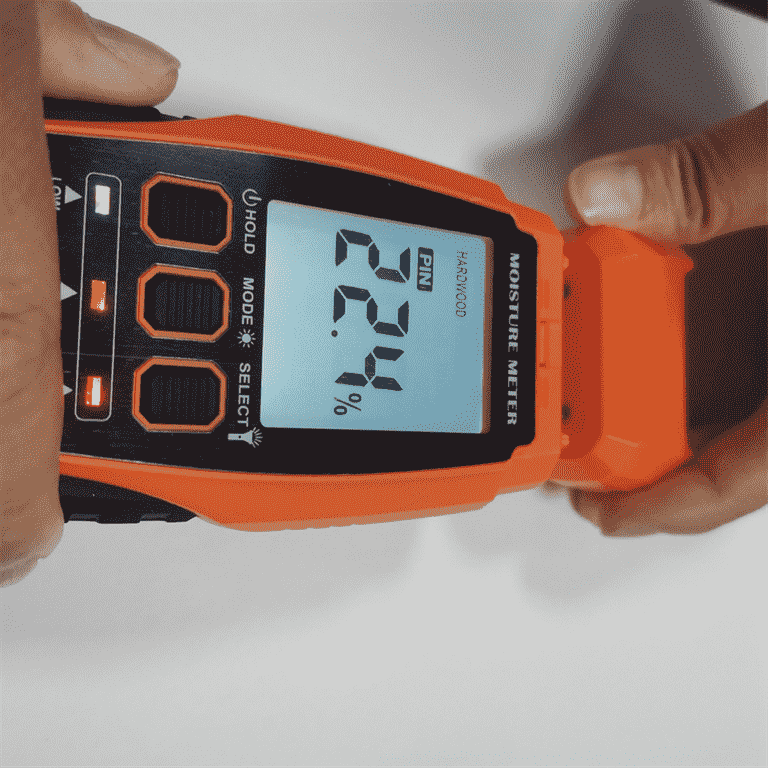
These handheld devices measure the moisture content within materials such as drywall, wood, and concrete. Elevated readings indicate trapped water.
Thermal Imaging Cameras
Infrared technology detects temperature variations inside walls and ceilings. Cooler areas often signal moisture accumulation.
Hygrometers
These tools measure indoor humidity levels, helping technicians assess overall moisture conditions.
Borescopes
Small inspection cameras inserted into wall cavities provide visual confirmation of hidden dampness.
Moisture Mapping
Professionals create a detailed layout showing affected areas and severity levels.
This non-invasive approach ensures accurate diagnosis without unnecessary demolition.
The Moisture Detection and Drying Process
After hurricanes in Melbourne, the typical process includes:
Step 1: Comprehensive Property Assessment
Technicians inspect roofing, siding, attics, crawl spaces, and interior rooms.
Step 2: Advanced Moisture Testing
Meters and thermal imaging pinpoint hidden water.
Step 3: Water Extraction
If standing water is present, high-powered pumps remove it quickly.
Step 4: Structural Drying
Industrial air movers and dehumidifiers remove moisture from affected materials.
Step 5: Antimicrobial Treatment
Preventive treatments reduce the risk of mold growth.
Step 6: Post-Drying Verification
Follow-up testing confirms moisture levels are within safe standards.
How Moisture Detection Prevents Future Damage
Moisture detection is not just reactive—it is preventative. Here’s how it protects your home long-term:
1. Stops Mold Before It Starts
Mold needs moisture to grow. Early drying eliminates the primary trigger.
2. Protects Structural Components
Wood framing, joists, and beams remain strong when thoroughly dried.
3. Preserves Flooring and Walls
Quick action prevents warping, cracking, and deterioration.
4. Maintains Indoor Air Quality
Reducing moisture prevents microbial contamination.
5. Reduces Repair Costs
Minor drying costs far less than major reconstruction later.
Cost Considerations
Moisture detection services in Melbourne typically range from:
- Basic inspections: $200–$500
- Comprehensive inspections with thermal imaging: $500–$1,500
- Structural drying services: Varies depending on severity
While these costs vary, they are significantly lower than full mold remediation or structural repair projects that can reach thousands of dollars.
Preventive Strategies for Melbourne Homeowners
Beyond professional services, homeowners can reduce future risks with proactive measures.
Maintain Roofing Systems
Schedule roof inspections annually and after major storms.
Improve Drainage
Ensure gutters are clear and downspouts direct water away from the foundation.
Seal Exterior Openings
Inspect window and door seals regularly.
Install Dehumidifiers
Maintaining indoor humidity below 60% reduces moisture buildup.
Inspect Attics and Crawl Spaces
Check for damp insulation or standing water after storms.
Upgrade to Mold-Resistant Materials
Use mold-resistant drywall and moisture-resistant flooring in vulnerable areas.
Schedule Annual Moisture Assessments
Routine inspections provide early detection before hurricane season.
Real-World Scenario
After a major hurricane in Melbourne, a homeowner noticed only minor ceiling staining. Assuming the issue was cosmetic, they delayed inspection. Months later, a musty odor developed. Moisture detection revealed:
- Trapped water in attic insulation
- Damp drywall behind the ceiling
- Early mold colonization
Professional drying and remediation prevented structural deterioration and avoided a full ceiling replacement. Early detection would have reduced costs even further.
Choosing a Qualified Moisture Detection Professional
When selecting a service provider in Melbourne, homeowners should look for:
- Proper licensing and insurance
- Experience with hurricane-related water intrusion
- Advanced tools like infrared cameras
- Clear written reports
- Post-service verification testing
Avoid companies that rely solely on visual assessments without professional equipment.
The Long-Term Value of Proactive Moisture Detection
Hurricanes are unpredictable, but long-term damage does not have to be. Moisture detection provides homeowners with:
- Early problem identification
- Structural preservation
- Mold prevention
- Better indoor air quality
- Higher property value retention
Investing in moisture detection immediately after a hurricane ensures your home remains safe and resilient.
Final Thoughts
Hurricane season in Melbourne brings significant risks to residential properties. While visible damage receives immediate attention, hidden moisture is often overlooked. Without professional detection and drying, trapped water can lead to mold growth, structural damage, and expensive repairs months later.
Moisture detection after hurricanes is a proactive, protective measure that safeguards both your property and your family’s health. By combining professional inspections with ongoing maintenance and humidity control, homeowners in Melbourne can prevent future damage and maintain a dry, secure living environment year-round.