
Melbourne Emergency Water Removal After Plumbing Leaks: Costs, Causes, and Solutions
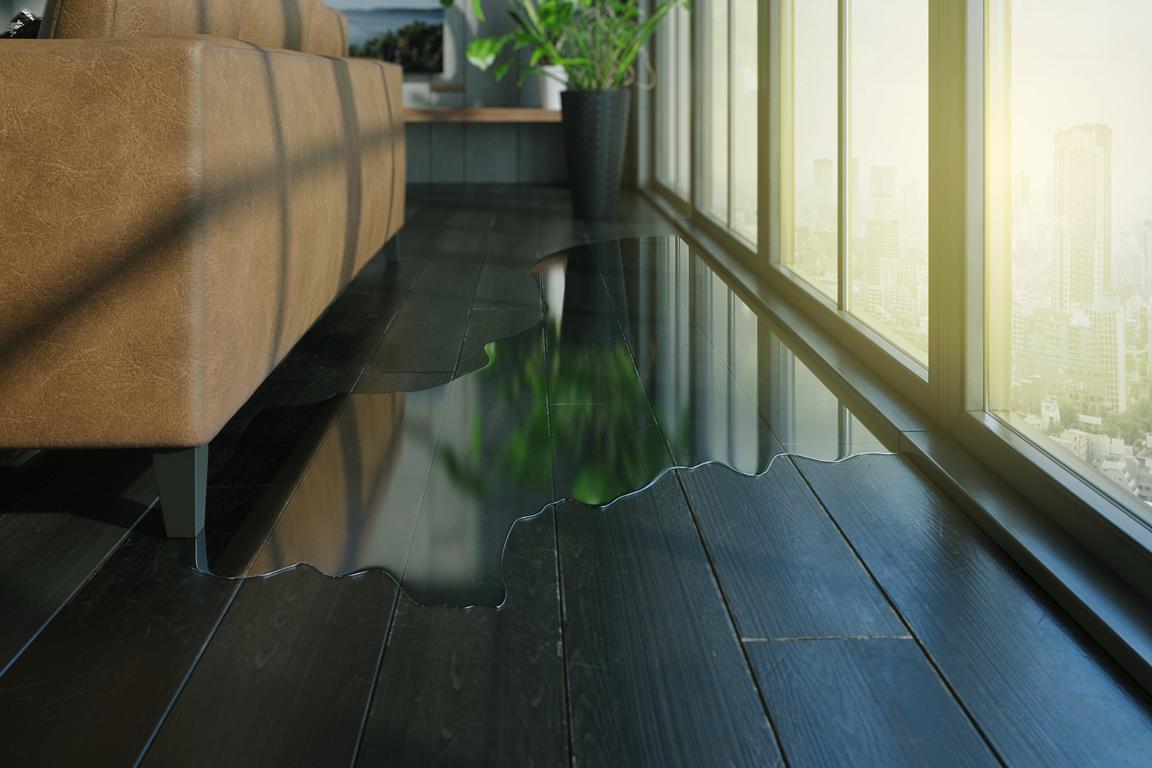
Plumbing leaks in Melbourne rarely give much warning. A supply line under a sink can split overnight. A water heater can fail while no one is home. A slab leak can slowly release water beneath flooring for days before anyone notices. When water begins spreading inside a house, immediate action matters.
In Florida’s humid climate, standing water and saturated materials do not dry on their own. Even after visible pooling is removed, moisture can remain trapped inside walls, insulation, and subfloors. Without proper emergency water removal, structural damage and mold risk increase quickly.
This guide explains the common causes of plumbing-related flooding in Melbourne homes, what influences emergency water removal costs, and the solutions that prevent long-term damage.
Why Plumbing Leaks Escalate Quickly in Melbourne
Melbourne’s environment creates conditions that make plumbing leaks more serious than they might be in drier regions.
Homes here deal with:
High year-round humidity
Warm temperatures
Slab foundations
Long air-conditioning cycles
Seasonal heavy rain
When a plumbing leak occurs, indoor humidity rises immediately. Because outdoor humidity is already elevated, evaporation slows significantly. Water spreads into drywall, baseboards, cabinetry, and subflooring.
Homes in nearby West Melbourne and Palm Bay experience similar humidity levels, but slab construction and plumbing layout determine how far water migrates.
Even a small leak can become a large restoration project if not addressed quickly.
Common Causes of Plumbing-Related Water Emergencies
Emergency water removal calls in Melbourne typically involve:
Burst supply lines
Failed washing machine hoses
Water heater tank leaks
Toilet seal failures
Dishwasher or refrigerator line leaks
Slab leaks beneath tile floors
Older homes may have aging copper or galvanized plumbing. Newer homes may rely on flexible supply lines that weaken over time.
Garage-mounted water heaters and utility rooms are especially common leak locations.
Early Warning Signs Before Major Flooding
Sometimes plumbing leaks provide subtle clues before turning into emergencies.
Watch for:
Unexplained increases in water bills
Warm spots on tile floors
Musty odors in cabinets
Warped baseboards
Peeling paint near plumbing fixtures
Reduced water pressure
Ignoring early signs often results in larger water removal needs later.
The Emergency Water Removal Process
Step 1: Stop the Water Source
Before removal begins, the plumbing leak must be repaired.
This may include:
Replacing broken supply lines
Repairing slab pipes
Installing a new water heater
Resealing toilet bases
Water removal without correcting the source will not prevent recurrence.
Palm Bay Mold Removal typically verifies plumbing stabilization before beginning full water extraction in Melbourne homes.
Step 2: Water Extraction
High-powered commercial extractors remove standing water from:
Tile floors
Carpeted areas
Cabinet bases
Garages
Subfloors
Professional equipment removes significantly more water than household wet vacuums.
Rapid extraction reduces saturation depth.
Step 3: Moisture Detection and Mapping
Water spreads beyond visible pooling.
Moisture meters measure dampness inside:
Drywall
Framing
Subfloors
Insulation
Ceiling cavities
Thermal imaging may identify hidden moisture pathways.
Mapping defines wet and dry boundaries.
Surface dryness does not confirm structural dryness.
Step 4: Removal of Saturated Materials
If materials cannot dry effectively, selective removal may be required.
This often includes:
Carpet padding
Lower sections of drywall
Insulation
Baseboards
Removing only affected materials limits overall repair costs.
Leaving saturated materials increases mold risk.
Step 5: Controlled Drying and Dehumidification
Drying involves:
Commercial dehumidifiers
High-velocity air movers
Humidity monitoring
Airflow balancing
Melbourne’s humid climate requires active dehumidification.
Indoor humidity should remain below 60 percent.
Moisture readings confirm when materials are stable.
Reconstruction should not begin until drying is verified.
Understanding Emergency Water Removal Costs
Costs vary depending on several factors.
1. Size of the Affected Area
A small bathroom leak costs less to mitigate than water spreading across multiple rooms.
Larger areas require more equipment and labor.
2. Duration of Exposure
The longer water sits, the deeper it penetrates.
Extended exposure increases drying time and material removal needs.
3. Type of Materials Affected
Tile and concrete are easier to dry than hardwood flooring or thick carpet padding.
Porous materials increase restoration scope.
4. Accessibility
Slab leaks beneath flooring require additional detection and access.
Cabinet or wall cavity involvement increases labor time.
5. HVAC Involvement
If moisture enters duct systems or air handlers, cleaning or component replacement may be required.
Addressing HVAC contamination adds to overall cost.
While emergency water removal has a cost, delaying response almost always increases total repair expenses.
Preventing Mold After Plumbing Leaks
Florida’s warm environment creates ideal conditions for mold when materials remain damp beyond 24 to 48 hours.
Prompt extraction and controlled drying significantly reduce this risk.
If drying is delayed, further mold inspection may be recommended.
Maintaining indoor humidity below 60 percent supports long-term stability.
Preventing Future Plumbing-Related Emergencies
Melbourne homeowners can reduce risk by:
Replacing aging supply hoses
Inspecting water heaters annually
Installing water detection sensors
Monitoring water bills monthly
Maintaining consistent water pressure
Flushing AC condensate lines
Routine maintenance costs far less than emergency restoration.
Encouraging quick response to minor moisture signs protects property value.
Why Local Experience Matters
Melbourne homes vary in age, slab configuration, and plumbing layout.
Florida’s humidity slows natural drying and increases condensation risk.
Professionals familiar with Brevard County construction understand common plumbing vulnerabilities and slab behaviors in Melbourne neighborhoods.
Palm Bay Mold Removal has worked extensively throughout Melbourne and surrounding communities, addressing plumbing-related water damage specific to Florida’s climate.
Protecting Your Home Long-Term
Emergency water removal in Melbourne after plumbing leaks requires more than extracting visible water. It involves structured inspection, moisture mapping, controlled drying, and preventative planning.
Ignoring small leaks or delaying response increases long-term repair costs.
By combining prompt plumbing repair, professional water removal, accurate moisture detection, and ongoing maintenance, homeowners can protect their properties effectively.
In Florida’s humid environment, fast action and thorough drying remain the most reliable solutions for preventing long-term plumbing-related water damage.