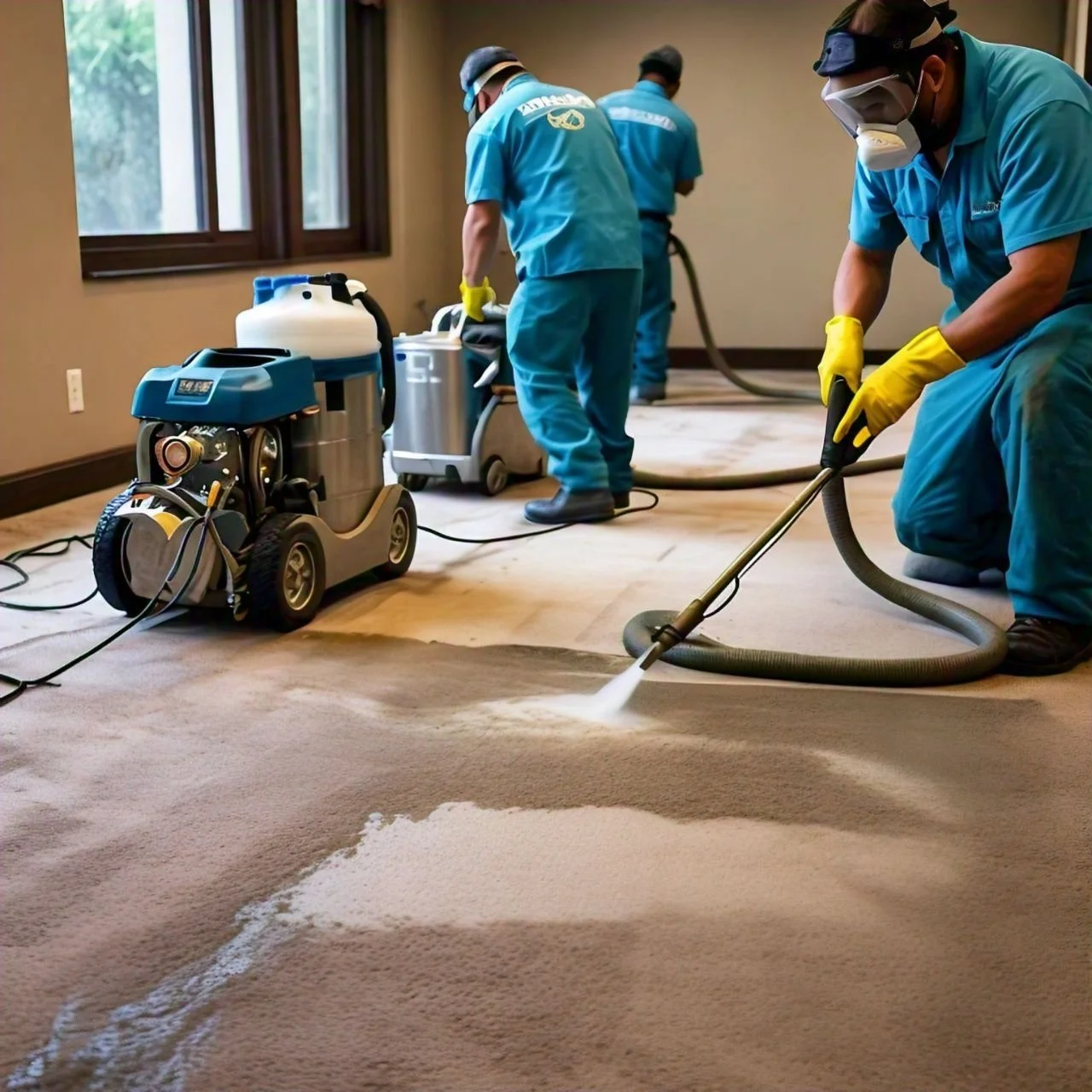
Melbourne Carpet Cleaning After Flooding in Commercial Buildings: How to Prevent Future Damage
Flooding can have devastating effects on commercial buildings in Melbourne. Water intrusion not only damages carpets but can also compromise flooring, walls, and HVAC systems. In commercial properties, the stakes are higher: prolonged downtime, business interruptions, and increased liability make effective post-flood restoration essential.
Building on lessons from West Melbourne carpet cleaning after flooding in residential homes, this guide provides a detailed roadmap for commercial property owners in Melbourne. It covers flood causes, early warning signs, professional cleaning methods, preventive strategies, and long-term maintenance practices designed to prevent future damage.
Understanding the Impact of Flooding on Commercial Carpets
Commercial carpets are often installed in high-traffic areas, making them more vulnerable to water damage. Flooding can lead to:
- Mold and bacterial growth: Damp carpets provide an ideal environment for microbial colonization, affecting indoor air quality.
- Structural damage: Saturated carpet padding and flooring can weaken subflooring and structural supports.
- HVAC contamination: Water may infiltrate ducts or air handling units, spreading debris and spores throughout the building.
- Business disruption: Wet carpets can render spaces unusable, delaying operations and increasing liability.
Proper carpet cleaning is critical to mitigate these risks and restore safe, functional commercial spaces.
Common Causes of Carpet Flooding in Commercial Buildings
Commercial properties face unique challenges when it comes to water intrusion:
- Stormwater and heavy rainfall: Overwhelmed drainage systems allow water to seep into office spaces, lobbies, or retail areas.
- Plumbing failures: Burst pipes, leaking fixtures, or malfunctioning appliances can saturate carpets and flooring.
- HVAC condensation issues: Blocked condensate lines or malfunctioning air conditioning units contribute to moisture accumulation.
- Roof leaks: Damaged shingles, flashing, or flat roof membranes often cause water to drip onto carpets in offices or hallways.
- Neglected maintenance: Older commercial buildings may have worn carpet backing, padding, or flooring that retains water.
Identifying the source of water intrusion is essential for effective cleaning and prevention.
Early Warning Signs of Carpet Damage in Commercial Spaces
Business owners and facility managers should watch for the following after a flood:
- Damp or soggy carpet sections, especially in corners or low-lying areas
- Musty or moldy odors
- Discoloration, staining, or warping of carpet surfaces
- Signs of mold growth on baseboards or flooring
- Complaints from employees about air quality or odors
- Visible water stains on ceilings, walls, or subflooring
Prompt recognition enables fast action, reducing downtime and long-term damage.
Step 1: Professional Carpet Inspection
Commercial buildings require thorough inspection before any cleaning:
Visual Assessment
Technicians examine carpets, padding, and surrounding flooring for water penetration and visible damage.
Moisture Detection
- Moisture meters measure water content in carpet fibers and subflooring.
- Infrared cameras detect hidden damp areas beneath flooring or within walls.
Air Quality Testing
Air samples identify mold spores and other contaminants present in carpeted areas and HVAC systems.
Documentation
Detailed inspection reports help business owners document damage for insurance purposes and guide cleaning and remediation strategies.
Step 2: Water Extraction and Drying
Removing water quickly is essential to prevent mold and structural damage:
- Extraction equipment: Industrial wet/dry vacuums and pumps remove standing water from carpets.
- Padding removal: Saturated carpet padding is often discarded to prevent moisture retention.
- Subfloor drying: Dehumidifiers and air movers target subflooring and carpet backing for thorough drying.
Rapid drying minimizes the risk of microbial growth and helps restore building functionality.
Step 3: Carpet Cleaning and Sanitization
Professional cleaning restores carpets while eliminating contaminants:
Hot Water Extraction
High-pressure hot water combined with cleaning solutions removes dirt, debris, and residual contaminants.
Antimicrobial Treatment
EPA-approved antimicrobials treat carpet fibers and padding to kill mold, bacteria, and other microorganisms.
Drying and Monitoring
- Industrial air movers and dehumidifiers ensure carpets, padding, and subflooring are completely dry.
- Moisture monitoring prevents residual dampness that could lead to mold regrowth.
Odor Control
Specialized deodorizing solutions remove musty odors caused by floodwater exposure.
Hidden Areas Often Overlooked in Commercial Properties
Floodwater can damage areas that are not immediately visible:
- Under desks, partitions, or office furniture
- Beneath carpet seams, edges, or floor transitions
- HVAC vents and ducts connected to carpeted areas
- Storage areas with cardboard or fabric materials
Professional inspection and advanced tools ensure thorough cleaning of hidden problem areas.
Health Implications
Water-damaged carpets in commercial buildings can affect employees and customers:
- Exposure to mold spores and bacteria increases allergy and respiratory risks
- Musty odors reduce comfort and overall indoor air quality
- Prolonged dampness contributes to long-term structural deterioration
Professional cleaning safeguards the health and comfort of building occupants.
Costs of Commercial Carpet Cleaning After Flooding
Costs depend on building size, number of carpeted areas, and contamination levels:
- Basic carpet cleaning and water extraction: $500–$1,500
- Moderate damage with padding removal and antimicrobial treatment: $1,500–$4,000
- Severe flood damage with extensive cleaning, subfloor repair, and HVAC sanitization: $5,000+
Early intervention reduces costs and prevents prolonged business interruptions.
Preventive Measures for Commercial Buildings
Preventive strategies help mitigate future flood damage:
- Maintain roofing, gutters, and drainage systems
- Inspect plumbing, AC condensate lines, and HVAC systems regularly
- Use water-resistant flooring or elevated carpeted areas in flood-prone zones
- Install dehumidifiers in high-humidity areas
- Schedule regular carpet cleaning and HVAC inspections
- Educate staff about moisture control practices, such as prompt spill management and ventilation
Proactive maintenance preserves carpet life, indoor air quality, and business continuity.
Why Local Expertise Matters
Melbourne’s commercial properties face unique challenges due to Florida’s storms, humidity, and coastal environment:
- Local technicians understand common water entry points and structural vulnerabilities
- Professionals detect hidden moisture and contamination efficiently
- Preventive strategies are tailored to Florida’s climate and commercial construction types
- Timely intervention minimizes damage, restores functionality, and protects occupants
Companies like Palm Bay Mold Removal provide the expertise and tools needed for safe, effective carpet restoration in commercial buildings.
Practical Steps for Property Owners
- Inspect all carpeted areas immediately after flooding.
- Schedule professional inspection and water extraction.
- Remove or replace saturated padding.
- Clean and sanitize carpets using hot water extraction and antimicrobial treatments.
- Dry carpets, padding, and subflooring thoroughly with industrial equipment.
- Repair structural damage and HVAC components if needed.
- Implement preventive measures: roof and gutter maintenance, AC line inspection, water-resistant flooring, and regular inspections.
- Monitor indoor air quality and moisture levels to prevent recurrence.
Following these steps ensures commercial properties remain safe, healthy, and functional after flooding.
Final Thoughts
Carpet cleaning after flooding is critical for commercial buildings in Melbourne. Professional inspection, water extraction, cleaning, and preventive measures address both visible and hidden damage, protecting indoor air quality, structural integrity, and business operations.
Building on insights from West Melbourne carpet cleaning after flooding, property owners can see the value of early intervention, local expertise, and proactive maintenance. Investing in professional carpet cleaning safeguards commercial buildings from long-term damage and ensures safe, functional spaces for employees and customers alike.