
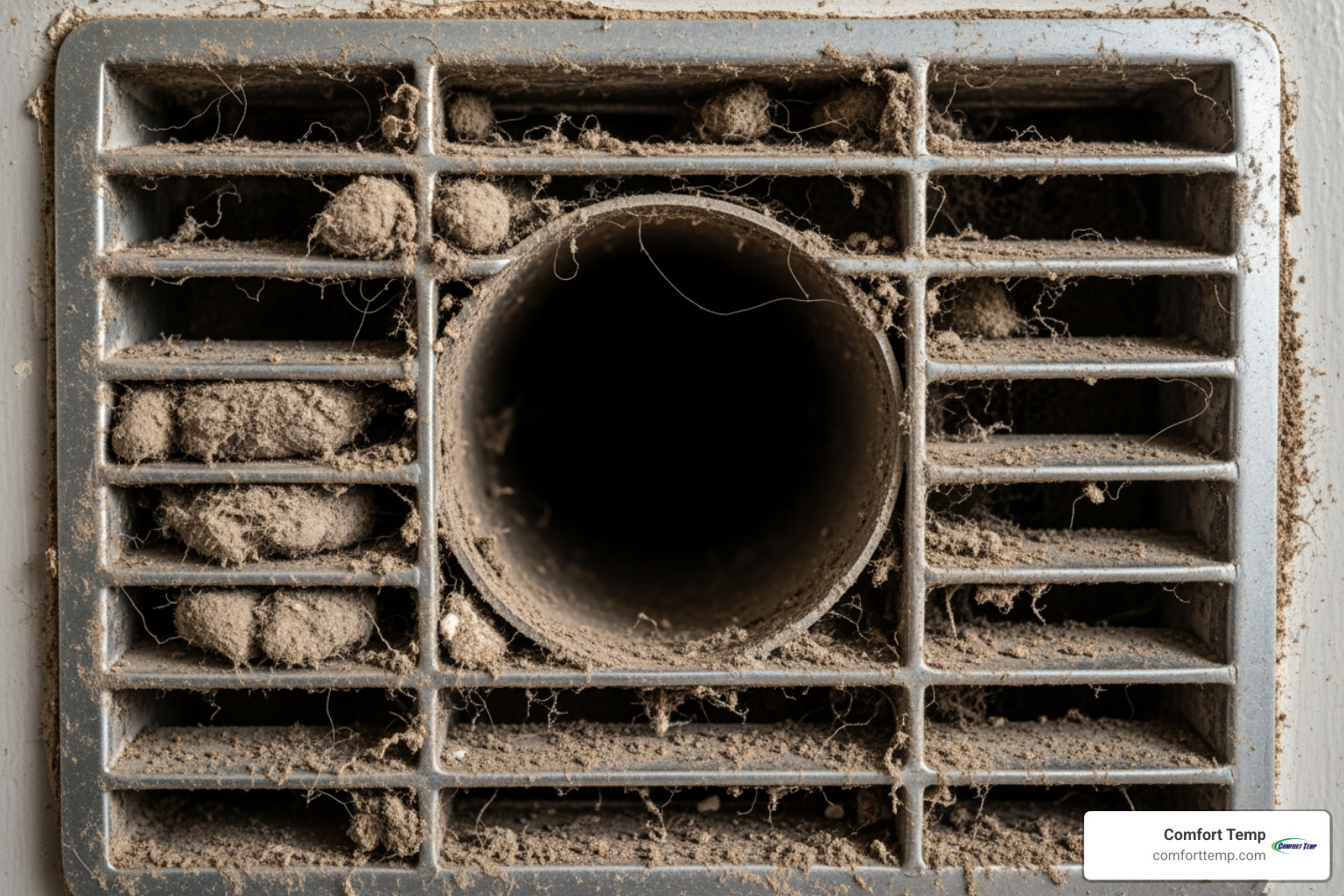
Melbourne Air Duct Cleaning After Hurricanes: What Homeowners Should Know
Hurricane season in Melbourne brings strong winds, heavy rainfall, and extended humidity. While most homeowners focus on roof damage or flooding, one area often overlooked after a storm is the air duct system.
Air ducts play a critical role in circulating conditioned air throughout the home. After a hurricane, moisture intrusion, debris, and humidity can affect ductwork in ways that are not immediately visible. Understanding when air duct cleaning is necessary — and how hurricanes impact HVAC systems — helps homeowners protect both indoor air quality and long-term system performance.
How Hurricanes Affect Air Duct Systems
During a hurricane, wind-driven rain can enter attics through small roof vulnerabilities. If ductwork is installed in attic spaces, it may be exposed to high humidity or direct moisture intrusion.
Common hurricane-related duct concerns include:
Condensation buildup from extreme humidity
Water intrusion from roof leaks
Debris entering through damaged vents
HVAC system strain from prolonged operation
Melbourne’s coastal climate compounds these risks. High outdoor humidity often lingers for days after a storm, slowing drying inside attics and crawl spaces.
Even if visible flooding did not occur inside living areas, duct systems may still be affected.
Signs Your Air Ducts May Need Attention
After a hurricane, homeowners should monitor for changes in indoor air quality or HVAC performance.
Musty odors when the system turns on
Increased dust around supply vents
Uneven cooling between rooms
Unusual humidity indoors
Visible staining around ceiling vents
If ducts were exposed to moisture, odors often become noticeable when the air conditioning system cycles.
Homes in nearby Satellite Beach and Merritt Island experience similar post-storm humidity challenges, particularly in attic-installed duct systems.
Moisture and Mold Risks Inside Ductwork
Mold growth requires moisture and organic material. While dust alone does not guarantee mold development, moisture inside duct insulation can create favorable conditions.
If insulation surrounding flexible ductwork becomes saturated, it may retain dampness longer than expected. Metal duct surfaces may also develop condensation when attic temperatures remain high.
Over time, moisture combined with dust buildup can impact air quality and airflow efficiency.
Addressing moisture quickly reduces long-term contamination risk.
Why Professional Duct Inspection Is Important
Visual inspection of vents alone does not reveal the full condition of duct systems. Professional evaluation often includes:
Inspection of attic duct runs
Checking insulation integrity
Evaluating HVAC air handler components
Assessing moisture levels
Examining return and supply vents
In some cases, cameras may be used to inspect interior duct surfaces.
Palm Bay Mold Removal frequently emphasizes that post-hurricane inspection should include moisture assessment, not just surface cleaning.
The Air Duct Cleaning Process
When cleaning is necessary, the process involves more than vacuuming vent covers.
Technicians typically:
Seal off sections of the duct system
Use high-powered negative air machines
Agitate debris with specialized tools
Remove dust and buildup safely
Clean supply and return vents
If microbial contamination is suspected, additional remediation procedures may be required.
Proper cleaning restores airflow and helps reduce airborne particle circulation.
HVAC Systems and Post-Storm Maintenance
Hurricanes often cause extended power outages. When systems restart after downtime, moisture may already be present inside ductwork.
AC drain lines should be checked for clogs. Condensate pans should be inspected for overflow. Air filters should be replaced following storm events.
Maintaining proper airflow reduces strain on HVAC systems already stressed by prolonged operation during humid conditions.
Preventing Future Duct Issues
Prevention is especially important in Melbourne’s coastal climate.
Inspect roofing after major storms.
Ensure attic ventilation is functioning properly.
Replace air filters regularly.
Check duct insulation annually.
Monitor indoor humidity levels.
Maintaining indoor humidity below 60 percent significantly reduces condensation risks.
Attic-installed duct systems may benefit from insulation upgrades to reduce temperature differences that contribute to moisture buildup.
Energy Efficiency Considerations
Clean and properly sealed ducts improve HVAC efficiency.
When airflow is unrestricted, systems cool more evenly. Reduced strain lowers energy consumption and extends equipment lifespan.
In Melbourne’s long cooling season, efficiency improvements translate into noticeable cost savings.
Preventative maintenance reduces the likelihood of emergency repairs during peak summer heat.
When Cleaning May Not Be Enough
In some cases, hurricane damage extends beyond cleaning.
Duct sections may become disconnected or crushed. Insulation may deteriorate beyond recovery. Severe moisture exposure may require partial duct replacement.
Professional inspection helps determine whether repair or replacement is necessary.
Homes built decades ago may have original duct systems that were not designed for today’s cooling demands or hurricane exposure.
Why Local Experience Matters
Melbourne’s coastal humidity patterns differ from inland Florida regions. Proximity to the Atlantic Ocean increases moisture exposure after storms.
Local professionals understand how attic temperatures, insulation quality, and storm intensity interact in Brevard County homes.
Palm Bay Mold Removal has worked throughout Melbourne and neighboring communities, addressing post-hurricane duct concerns specific to coastal properties.
Protecting Indoor Air After a Hurricane
Air duct cleaning after hurricanes is not automatically required in every case. However, inspection is strongly recommended when moisture intrusion or attic exposure has occurred.
Early evaluation prevents small moisture issues from becoming larger indoor air quality concerns.
By addressing duct systems promptly, homeowners protect airflow efficiency, reduce odor issues, and maintain a stable indoor environment.
In Melbourne’s humid climate, proactive maintenance following storm events ensures that HVAC systems continue operating safely and effectively throughout the remainder of hurricane season.