Inspection and Repair Guide: Moisture Detection in West Melbourne After Water Damage
Water damage in West Melbourne, Florida homes can result from storms, plumbing leaks, roof damage, or high humidity levels. Even after visible water is removed, hidden moisture can persist in walls, floors, and ceilings, leading to mold growth, structural deterioration, and health hazards. Proper moisture detection and inspection is crucial for homeowners to prevent long-term damage and restore their property effectively.
This guide provides a comprehensive look at moisture detection techniques, repair processes, and preventive measures to help West Melbourne homeowners recover after water damage.
Why Moisture Detection Is Essential After Water Damage
- Prevents Mold and Mildew
- Hidden moisture can promote microbial growth within 24–48 hours, creating a health hazard.
- Protects Structural Integrity
- Persistent water can weaken wood framing, drywall, and insulation.
- Maintains Indoor Air Quality
- Moisture contributes to allergens and bacteria that can circulate through HVAC systems.
- Cost Savings
- Early detection reduces the need for extensive repairs or replacement of building materials.
- Supports Insurance Claims
- Detailed inspection reports help document water damage for claims.
Common Causes of Hidden Moisture in West Melbourne Homes
- Storm and Hurricane Damage
- Roof leaks or window breaches allow water to enter ceilings and walls.
- Plumbing Leaks
- Burst pipes, leaking faucets, or faulty appliances can saturate flooring and walls.
- HVAC Condensation
- Poorly maintained air conditioners can drip water into walls or ductwork.
- Flooding
- Heavy rains or nearby water bodies can introduce moisture to basements, crawlspaces, and ground-level areas.
- High Humidity
- Florida’s coastal climate increases condensation on surfaces, particularly in poorly ventilated areas.
Early Warning Signs of Moisture After Water Damage
- Musty Odors
- Persistent, earthy smells indicate dampness and possible mold growth.
- Water Stains
- Yellow or brown discoloration on ceilings, walls, or floors.
- Warped or Bubbling Surfaces
- Paint, wallpaper, or flooring may peel, bubble, or feel soft.
- Increased Allergies or Respiratory Symptoms
- Coughing, sneezing, or irritation can signal microbial contamination.
- Condensation or Dampness
- Wet spots on windows, baseboards, or furniture indicate trapped moisture.
Step‑by-Step Moisture Detection and Inspection Process
Step 1: Visual Assessment
- Inspect the home for visible water damage, stains, warped materials, and puddles.
- Focus on high-risk areas like basements, attics, kitchens, and bathrooms.
Step 2: Moisture Meter Testing
- Use digital moisture meters to measure water content in wood, drywall, and flooring.
- Detect hidden moisture that isn’t visible to the naked eye.
Step 3: Infrared Thermography
- Infrared cameras detect temperature differences caused by dampness behind walls and ceilings.
Step 4: Hygrometer and Humidity Analysis
- Measure relative humidity levels to identify areas prone to condensation or hidden water.
Step 5: Source Identification
- Trace leaks to plumbing, roofing, windows, or HVAC systems for targeted repairs.
Step 6: Documentation
- Record moisture levels, leak sources, and affected areas to plan repairs and assist with insurance claims.
Repair and Remediation Steps
- Water Extraction
- Remove standing water using wet/dry vacuums, pumps, or towels.
- Drying and Dehumidification
- Use fans, air movers, and dehumidifiers to thoroughly dry floors, walls, and subflooring.
- Structural Repairs
- Replace or repair damaged drywall, insulation, wood framing, or flooring.
- Mold Remediation
- Apply antimicrobial treatments to prevent mold growth in affected areas.
- HVAC Inspection
- Check ducts, vents, and condensate lines for moisture and clean as necessary.
- Preventive Sealing
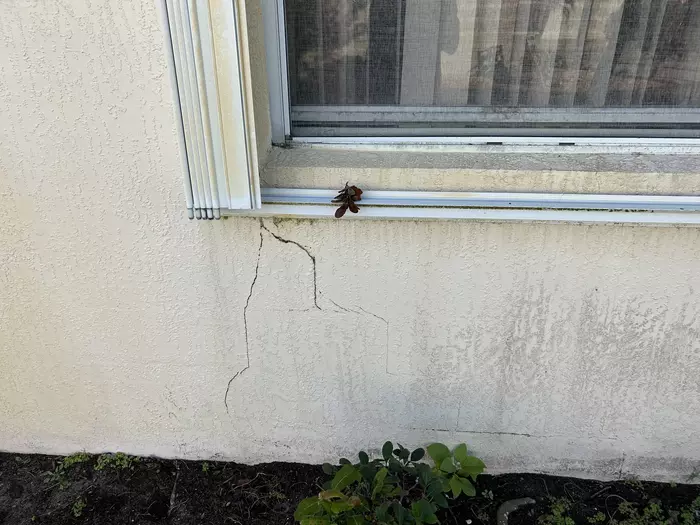
- Seal leaks, cracks, and vulnerable surfaces to prevent future water intrusion.
Preventive Tips for West Melbourne Homeowners
- Regular Roof and Gutter Inspections
- Repair damage promptly to prevent water intrusion.
- Plumbing Maintenance
- Check for leaks in pipes, faucets, and appliances regularly.
- Humidity Control
- Use dehumidifiers or air conditioning to maintain indoor humidity below 60%.
- Install Moisture Sensors
- Place sensors near high-risk areas like basements, kitchens, and attics.
- Routine Professional Inspections
- Schedule annual inspections to detect potential water problems early.
- Prompt Leak Repair
- Address any roof or plumbing leaks immediately to prevent hidden moisture buildup.
Benefits of Moisture Detection and Timely Repairs
- Health Protection
- Reduces allergens, mold spores, and bacteria that affect indoor air quality.
- Structural Preservation
- Prevents permanent damage to walls, ceilings, floors, and insulation.
- Energy Efficiency
- Dry homes maintain HVAC efficiency and reduce energy costs.
- Peace of Mind
- Homeowners can feel confident that their home is safe and properly maintained.
- Insurance Support
- Detailed inspection and repair documentation helps with claims related to water damage.
Conclusion
Water damage in West Melbourne homes poses risks that extend beyond visible leaks. Hidden moisture can cause mold growth, structural damage, and health hazards if left untreated. Early detection through moisture meters, infrared cameras, and humidity testing is essential to identify affected areas and prevent escalation.
Timely repairs—including water extraction, drying, mold remediation, and structural fixes—combined with preventive strategies like regular inspections, humidity control, and leak repair, allow homeowners to protect their property and maintain a safe, healthy, and resilient home.