Inspection and Repair Guide: Moisture Detection in Viera in Humid Summers
Humid summers in Viera bring frequent afternoon storms, high temperatures, and moisture-heavy air. While these conditions are typical for Brevard County, they also increase the risk of hidden moisture inside residential homes. Moisture that remains trapped in walls, ceilings, and flooring can eventually lead to mold growth, structural deterioration, and indoor air quality concerns.
Moisture detection is one of the most effective ways to identify problems early. By locating damp areas before visible damage appears, homeowners can take practical steps to repair affected areas and prevent long-term issues.
Why Humid Summers Increase Moisture Problems
During the summer months, the air in Viera contains a high level of humidity. Even homes with properly functioning air conditioning systems can experience moisture buildup when outdoor humidity remains elevated for long periods.
Several factors contribute to moisture problems in humid summers:
- Heavy seasonal rainfall
- Warm air holding excess moisture
- Reduced evaporation rates indoors
- Continuous AC operation creating condensation
- Attic spaces retaining heat and humidity
These conditions allow moisture to linger in building materials, increasing the risk of mold and structural damage.
What Moisture Detection Means
Moisture detection is the process of identifying water trapped in materials that may appear dry on the surface. After storms or prolonged humidity, moisture often remains hidden inside:
- Drywall and ceilings
- Subfloors and carpet padding
- Attic insulation
- Wood framing
- Baseboards and trim
Detecting these damp areas early helps prevent larger restoration projects later.
Common Signs Moisture May Be Present
Homeowners in Viera sometimes notice subtle signs that moisture may be affecting their homes.
Typical warning signs include:
- Musty or damp odors
- Peeling paint or bubbling drywall
- Warped baseboards or flooring
- Ceiling stains or discoloration
- Rooms that feel unusually humid
These symptoms often indicate moisture behind walls or ceilings, even when surfaces feel dry.
Hidden Areas Where Moisture Often Accumulates
Moisture rarely stays confined to one area. It spreads through porous materials and may collect in locations that are difficult to inspect.
Common hidden areas include:
- Inside attic insulation
- Behind drywall in exterior walls
- Around air ducts and vents
- Beneath flooring or tile
- Inside closets or storage areas
Attics in Viera homes are especially vulnerable because warm air rises and carries moisture into enclosed roof spaces where drying is slow.
Why DIY Checks Often Miss the Problem
Homeowners sometimes rely on visual inspections or household fans to dry damp areas. While these steps may help on the surface, they rarely detect deeper moisture.
DIY methods often fall short because:
- Moisture behind walls cannot be seen
- Household tools cannot measure moisture levels
- Damp insulation may remain wet for weeks
- Humidity pockets remain trapped in enclosed spaces
Without specialized equipment, it is difficult to confirm whether materials have fully dried.
How Professional Moisture Detection Works
Professional moisture detection uses tools designed to locate hidden dampness accurately and efficiently.
The inspection process usually includes:
Moisture Meter Testing
Meters measure moisture levels inside drywall, wood, and flooring to identify areas that require drying.
Thermal Imaging
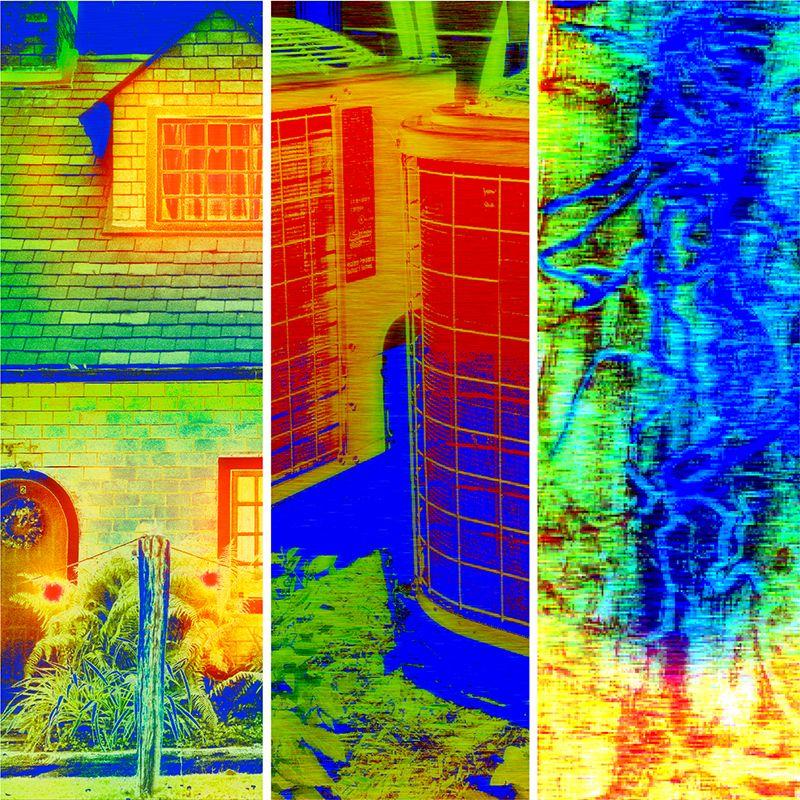
Infrared cameras reveal temperature differences that may indicate moisture behind surfaces.
Humidity Measurement
Indoor humidity levels are evaluated to determine whether conditions support mold growth.
Attic and Structural Inspection
Areas prone to moisture accumulation, such as attics and crawl spaces, are carefully examined.
Companies such as Palm Bay Mold Removal often perform detailed moisture mapping in Viera homes, helping homeowners understand how far moisture has spread and what repairs may be needed.
What Happens If Moisture Is Found
When moisture is detected, repairs and drying steps depend on the severity of the problem.
Typical solutions may include:
- Structural drying using air movers and dehumidifiers
- Removing saturated materials such as insulation
- Repairing drywall or trim
- Addressing roof or plumbing leaks
- Improving ventilation in attic spaces
Drying and repairing affected areas quickly helps prevent mold growth and long-term damage.
The Role of HVAC Systems in Summer Moisture Problems
Air conditioning systems play a major role in controlling humidity, but they can also contribute to moisture issues if not maintained properly.
Common HVAC-related moisture sources include:
- Clogged condensation lines
- Damp duct insulation
- Air handlers located in humid attic spaces
- Restricted airflow reducing drying efficiency
Technicians often inspect ductwork, condensation drains, and humidity levels during moisture detection visits to ensure the HVAC system is functioning properly.
How Moisture Detection Helps Prevent Mold
Mold requires moisture to grow. By identifying damp areas early, moisture detection helps prevent mold from developing in hidden spaces.
Early detection allows homeowners to:
- Dry materials before mold begins forming
- Reduce indoor humidity levels
- Prevent structural deterioration
- Avoid more extensive remediation later
In many homes, addressing moisture quickly prevents problems that might otherwise appear weeks or months later.
Practical Steps to Prevent Moisture Damage in Humid Summers
Homeowners in Viera can reduce the risk of moisture problems by taking a few preventive measures.
Helpful steps include:
- Inspect roofs and flashing regularly
- Clean gutters and drainage systems
- Monitor indoor humidity levels
- Use dehumidifiers during extended humid periods
- Check attics after heavy rain
- Schedule periodic moisture inspections
Homes in nearby communities such as Melbourne, Rockledge, and Merritt Island often follow similar maintenance routines because climate conditions are consistent across the region.
Why Local Experience Matters
Moisture detection in coastal Florida requires an understanding of how humidity, storms, and construction methods affect homes. Drying times and moisture behavior differ significantly from those in drier climates.
Professionals familiar with Viera homes understand:
- Where moisture is most likely to accumulate
- How attic heat affects humidity
- Which materials are most vulnerable
- How to prevent recurring problems
Palm Bay Mold Removal and other experienced local providers focus on identifying both moisture sources and structural risks, helping homeowners achieve long-lasting results.
A Practical Approach for Homeowners
Humid summers are a normal part of life in Viera, but hidden moisture does not have to lead to serious damage. Early inspection, proper drying, and timely repairs help maintain the condition of a home and prevent long-term issues.
For homeowners, the best approach is to stay attentive to signs of moisture, schedule inspections after heavy rain or storms, and maintain proper ventilation and humidity control. With proactive care, most moisture problems can be detected early and resolved efficiently.