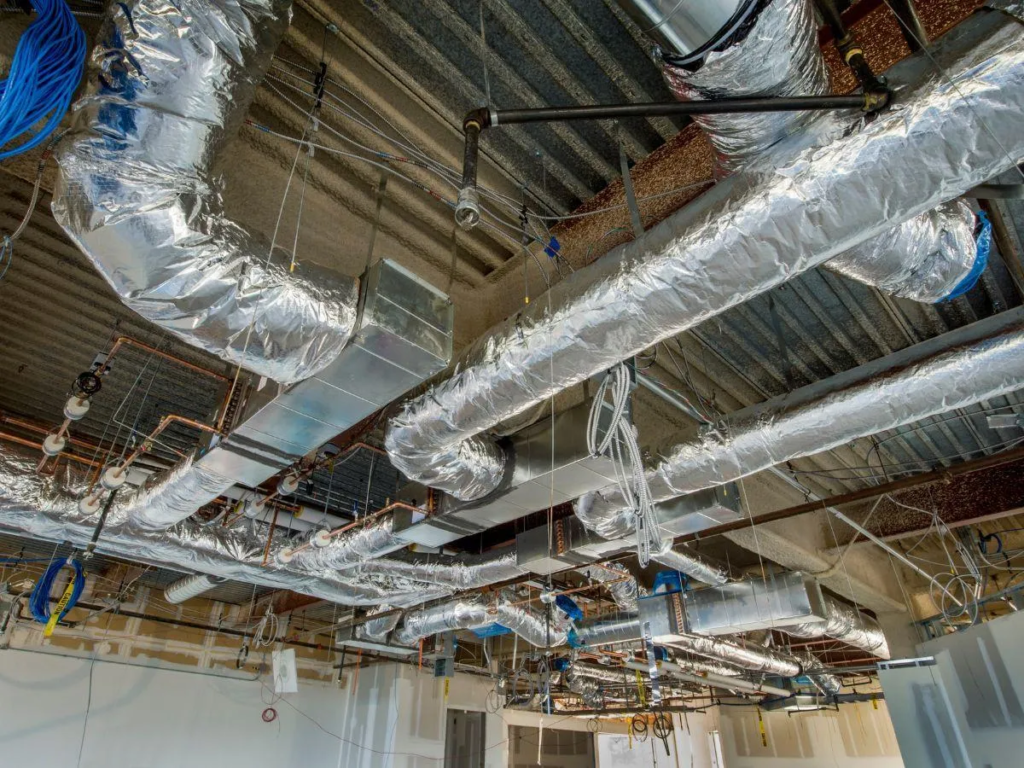
Inspection and Repair Guide: Duct Cleaning in Viera from AC Condensation
Homes in Viera are prone to high humidity, especially during the summer months. This moisture can lead to AC condensation issues, which often affect air ducts. Over time, moisture in ducts can promote mold growth, dust accumulation, and decreased indoor air quality, making proper inspection and cleaning critical for homeowners.
This guide provides a comprehensive step-by-step inspection and repair process for duct cleaning in Viera, focusing on addressing AC condensation and preventing future problems.
Why AC Condensation Impacts Ductwork
- Humidity and Warm Air
- Florida’s humid climate causes AC units to produce more condensation, which may drip into poorly insulated or poorly sloped ducts.
- Moisture Trapped in Ducts
- Condensation accumulation inside ducts encourages microbial growth, including mold and bacteria.
- Airflow Obstruction
- Dust and debris combine with moisture, reducing system efficiency and airflow.
- Contaminated Indoor Air
- Mold spores and bacteria circulate through the home, negatively affecting residents’ health.
- Long-Term Damage
- Persistent moisture can corrode metal ductwork, damage insulation, and compromise HVAC system longevity.
Early Signs That Duct Cleaning Is Needed
- Musty or Moldy Odors from vents.
- Visible Mold inside vents or on duct surfaces.
- Increased Allergy Symptoms such as sneezing, coughing, or asthma.
- Reduced Airflow or Uneven Cooling, indicating obstruction or buildup.
- Excess Moisture or Water Drips around AC units or ducts.
Step-by-Step Duct Inspection Process
Step 1: Visual Assessment
- Inspect all visible ductwork, vent covers, and AC components for moisture, mold, or debris.
- Check for signs of water pooling or condensation stains.
Step 2: Moisture Measurement
- Use a moisture meter to detect damp spots in ducts, especially in concealed sections or areas near the AC unit.
Step 3: HVAC System Check
- Inspect coils, drip pans, condensate lines, and insulation for signs of mold or water accumulation.
Step 4: Airflow Testing
- Evaluate airflow to identify obstructions caused by moisture, debris, or mold growth.
Step 5: Thermal Imaging
- Optional infrared imaging detects hidden moisture in walls, ceilings, and duct sections inaccessible to visual inspection.
Duct Cleaning and Repair Process
Step 1: Preparation
- Turn off HVAC system and power supply for safety.
- Wear protective gear including gloves, masks, and goggles.
Step 2: Containment
- Seal off work areas to prevent spores and dust from spreading throughout the home.
Step 3: Debris Removal
- Use professional-grade brushes, vacuums, and HEPA-filter equipment to remove dust, dirt, and other contaminants from ducts.
Step 4: Mold and Microbial Treatment
- Apply EPA-approved antimicrobial cleaners to ducts, coils, and drip pans.
- Focus on areas affected by AC condensation.
Step 5: Drying
- Ensure ducts are thoroughly dried using fans and dehumidifiers to prevent future mold growth.
Step 6: Duct Repairs
- Replace damaged sections of ductwork or insulation.
- Seal leaks and gaps to prevent future moisture intrusion.
Step 7: Filter Replacement
- Install high-efficiency filters to trap airborne particles and maintain air quality.
Step 8: System Testing
- Restart HVAC system and confirm proper airflow, odor elimination, and system performance.
Preventive Tips for Homeowners
- Monitor Indoor Humidity
- Use a hygrometer to keep indoor humidity below 60%.
- Regular AC Maintenance
- Clean coils, drip pans, and condensate lines regularly.
- Schedule Periodic Duct Cleaning
- Especially after high humidity periods or water intrusion events.
- Insulate Ducts
- Prevent condensation buildup by insulating ductwork in attics and crawlspaces.
- Promptly Address Roof or Plumbing Leaks
- Early repairs prevent water from entering ductwork and creating mold-friendly conditions.
Benefits of Proper Duct Cleaning
- Improved Indoor Air Quality
- Removes mold, dust, and allergens, ensuring healthier air for residents.
- Enhanced HVAC Efficiency
- Clear ducts improve airflow and reduce energy costs.
- Reduced Health Risks
- Minimizes exposure to mold spores and bacterial contaminants.
- Prevention of Long-Term Damage
- Eliminates moisture sources before corrosion, insulation damage, or system degradation occurs.
- Peace of Mind
- Homeowners can trust that their air quality is safe, especially in humid Viera climates.
Conclusion
AC condensation in Viera homes can silently damage ductwork and degrade indoor air quality if left unaddressed. A systematic approach to inspection, cleaning, and repair ensures that ducts remain free from mold, debris, and moisture.
Regular maintenance, combined with preventive measures such as proper insulation and humidity control, allows homeowners to protect their HVAC system, enhance indoor air quality, and maintain a healthy living environment year-round. Proper duct cleaning is not just a cosmetic improvement—it’s an essential step in safeguarding both property and health in humid climates like Viera.