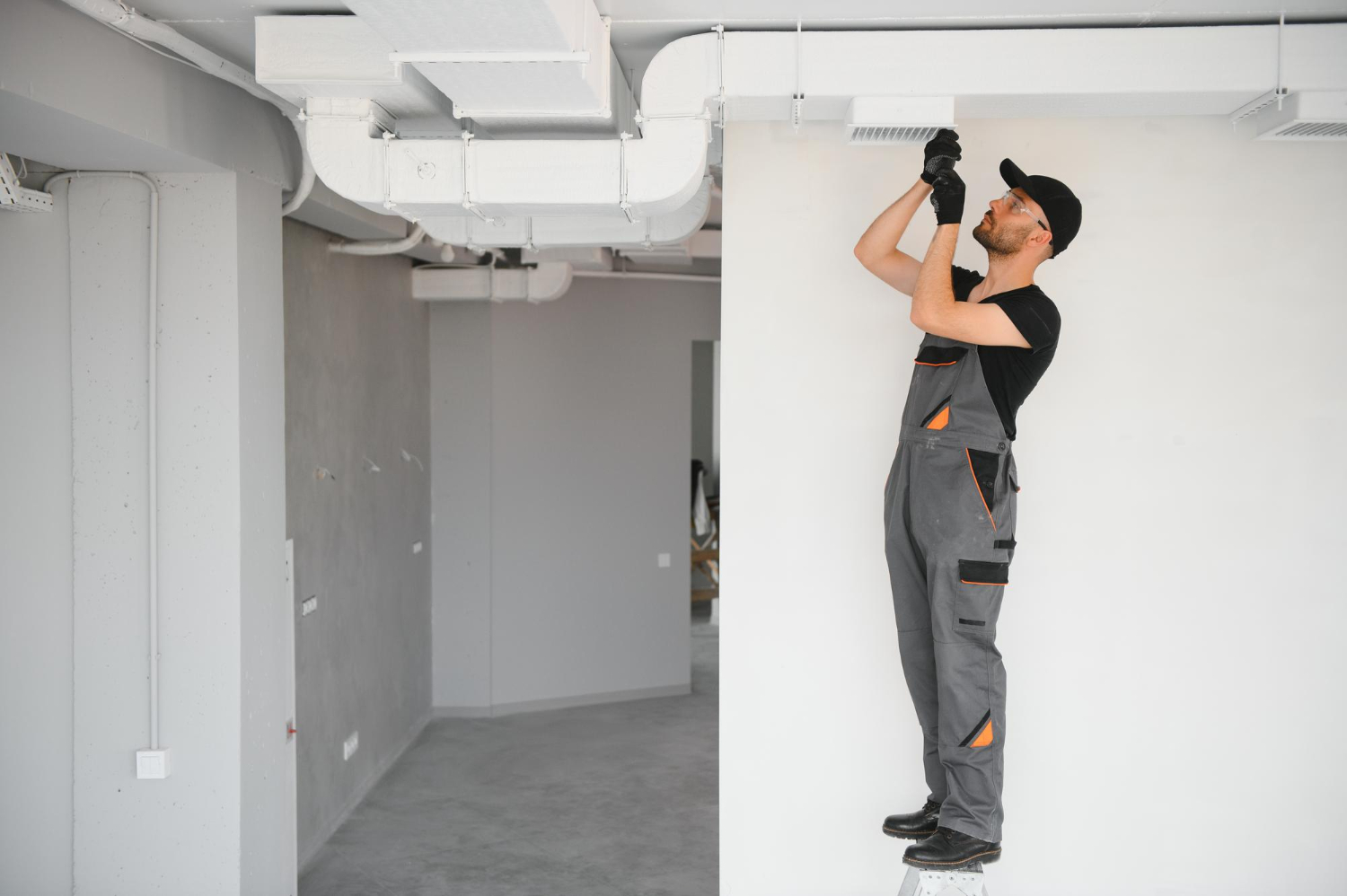
Inspection and Repair Guide: Air Duct Cleaning in Palm Bay After Hurricanes
Hurricanes pose a serious threat to homes in Palm Bay, causing not only visible damage like roof leaks or flooding but also hidden issues in air duct systems. Water intrusion, high humidity, and debris can compromise indoor air quality, increase mold risk, and affect HVAC efficiency. For homeowners and property managers, understanding air duct cleaning after hurricanes is essential to ensure safe, healthy, and functional living environments.
This guide builds on insights from Melbourne water damage restoration, emphasizing the critical role of professional inspection, cleaning, and preventive measures in maintaining HVAC systems in hurricane-prone areas. It covers warning signs, step-by-step inspection, cleaning methods, and ongoing maintenance strategies for Palm Bay homes.
Why Hurricanes Impact Air Ducts
During hurricanes, high winds and torrential rain can:
- Force water into ductwork through leaks in ceilings or walls
- Introduce dirt, leaves, and debris into air handling systems
- Damage insulation around ducts, allowing moisture accumulation
- Spread mold spores and allergens through the home’s HVAC system
Even small amounts of water or debris can cause microbial growth and reduce HVAC efficiency, creating long-term indoor air quality and structural issues if left untreated.
Common Warning Signs That Air Ducts Need Cleaning
Homeowners should watch for the following indicators after a hurricane:
- Musty or unusual odors circulating through vents
- Visible mold growth near registers or inside accessible ductwork
- Increased allergy or respiratory symptoms among occupants
- Dust, debris, or water stains on air vents or registers
- Uneven airflow or reduced HVAC efficiency
- Condensation on ducts or moisture accumulation in the system
Identifying these signs early ensures timely cleaning and prevents more severe water-related damage.
Step 1: Professional Air Duct Inspection
A thorough inspection is the first step in post-hurricane air duct cleaning. Professionals assess both visible and hidden areas using advanced tools:
Visual Inspection
Technicians examine accessible ducts, registers, and vents for signs of moisture, debris, or mold.
Moisture Detection
Pinless moisture meters and infrared cameras help detect hidden water or condensation within duct insulation and walls.
HVAC Component Assessment
Air handlers, evaporator coils, and condensate lines are inspected for water damage, microbial growth, or blockages.
Indoor Air Quality Testing
Air sampling measures mold spores, dust, and allergens, providing an understanding of contamination levels.
Professional inspection ensures that both immediate hazards and hidden issues are identified for effective cleaning.
Step 2: Preparation for Cleaning
Before actual cleaning, the system must be prepared to prevent cross-contamination and ensure safety:
- Seal vents and registers in unaffected areas to prevent spread of dust and spores
- Turn off the HVAC system to avoid circulating contaminants
- Protect flooring and furniture near work areas with tarps or plastic sheeting
- Use containment barriers if mold is present to isolate affected zones
Preparation helps maintain a safe and efficient cleaning process.
Step 3: Air Duct Cleaning Techniques
Professional air duct cleaning involves several specialized methods:
High-Powered Vacuuming
Industrial-grade vacuums remove dust, debris, and mold spores from the duct system. Negative pressure ensures contaminants do not escape into living areas.
Rotary Brush or Agitation Tools
Mechanical brushes or air whips dislodge accumulated debris from duct walls, allowing thorough vacuum extraction.
Coil and Component Cleaning
Evaporator coils, drip pans, and condensate lines are cleaned and disinfected to prevent microbial growth.
HEPA Filtration
Air cleaners with HEPA filters capture fine particles, allergens, and mold spores, improving indoor air quality after cleaning.
Sanitization
In some cases, antimicrobial treatments are applied to ducts to prevent future microbial growth, particularly after hurricane-induced water intrusion.
Step 4: Drying and Moisture Control
After cleaning, controlling moisture in ducts is critical:
- Use dehumidifiers or portable fans to dry ducts and surrounding areas
- Inspect insulation for dampness and replace if necessary
- Verify that condensate lines are clear and functional
Thorough drying prevents mold regrowth and maintains healthy airflow in the home.
Step 5: Repairs and System Restoration
Cleaning may reveal damaged components that require repair or replacement:
- Leaky duct joints sealed with mastic or metal tape
- Damaged insulation replaced to prevent condensation
- Air handler and fan components repaired or serviced
- Registers or vents replaced if corroded or contaminated
Completing these repairs ensures the HVAC system functions efficiently and safely after hurricane-related damage.
Preventive Measures for Homeowners
Maintaining duct systems post-hurricane helps reduce future problems:
- Schedule annual professional duct inspections and cleaning
- Ensure proper grading and drainage around the home to prevent water intrusion into walls and ceilings
- Seal ductwork and joints to prevent leaks
- Install high-efficiency air filters to capture dust, allergens, and spores
- Maintain HVAC units, including coil cleaning and condensate line inspection
- Monitor indoor humidity with dehumidifiers during the rainy season
Preventive measures maintain indoor air quality and extend HVAC system life.
Health Implications of Neglected Air Ducts
Unaddressed water intrusion and debris in air ducts can compromise health:
- Mold spores and allergens can cause respiratory irritation and trigger asthma
- Bacterial growth may pose infection risks
- Musty odors reduce indoor comfort and indicate poor air quality
Professional cleaning ensures that the HVAC system does not become a source of indoor contaminants.
Why Local Expertise Matters
Palm Bay homes share environmental and construction characteristics with nearby areas such as Melbourne, Satellite Beach, and Cocoa Beach. Local professionals understand:
- Florida hurricane patterns and associated water risks
- Common construction materials prone to moisture accumulation
- Effective duct cleaning, drying, and antimicrobial techniques
- Preventive strategies for long-term indoor air quality and HVAC efficiency
Companies like Palm Bay Mold Removal provide comprehensive post-hurricane air duct cleaning tailored to Palm Bay homes.
Practical Steps for Homeowners
- Conduct an initial inspection for visible damage to ducts after hurricanes.
- Schedule professional air duct inspection and cleaning.
- Address any water intrusion or debris accumulation immediately.
- Dry and dehumidify ducts and HVAC components thoroughly.
- Repair leaks, damaged insulation, or compromised HVAC parts.
- Install or replace high-efficiency air filters.
- Implement preventive measures including seasonal maintenance and indoor humidity monitoring.
Consistent care after hurricanes protects indoor air quality, ensures system efficiency, and reduces long-term repair costs.
Final Thoughts
Air duct cleaning in Palm Bay homes after hurricanes is essential for maintaining healthy indoor air quality, preventing mold growth, and protecting HVAC system efficiency. Early inspection, professional cleaning, and systematic repairs help homeowners safeguard both property value and resident health.
Building on lessons from Melbourne water damage restoration, property owners can appreciate the importance of proactive intervention and local expertise. By combining timely cleaning, repairs, and preventive strategies, Palm Bay residents can maintain safe, comfortable, and resilient homes even after Florida’s most intense storms.