
Indoor Air Quality Improvement Services in Titusville After Flooding: Step-by-Step Process Explained
Flooding events in Titusville are not uncommon. With its proximity to the Indian River Lagoon, low-lying neighborhoods, and seasonal tropical systems moving through Florida’s east coast, homes and businesses in this area face recurring water intrusion risks. Whether flooding results from heavy rainfall, storm surge, plumbing failures, or hurricanes brushing the coast, the aftermath often extends far beyond visible water damage.
One of the most critical — yet frequently underestimated — consequences of flooding is its impact on indoor air quality (IAQ). Even after standing water is removed, moisture trapped in walls, insulation, ductwork, and flooring can lead to mold growth, bacterial contamination, and long-term air quality concerns.
This comprehensive guide explains, step by step, how professional indoor air quality improvement services in Titusville work after flooding, what property owners should expect, and why a structured process is essential for restoring a safe and healthy environment.
Why Flooding Severely Impacts Indoor Air Quality
Floodwater is rarely clean. In many cases, it contains:
- Soil and organic debris
- Bacteria and microbial contaminants
- Sewage overflow components
- Chemical residues
- Fine particulates
Once water enters a property, porous materials absorb moisture quickly. Even if surfaces appear dry, humidity levels inside wall cavities and subfloors can remain elevated for weeks.
When moisture lingers:
- Mold spores activate and colonize surfaces
- Insulation loses integrity
- Wood framing swells and decays
- HVAC systems distribute contaminated air
- Odors become persistent
In humid coastal climates like Titusville, high ambient moisture accelerates these issues. Without professional intervention, indoor air quality can deteriorate rapidly.
ep 1: Initial Assessment and Indoor Air Quality Evaluation
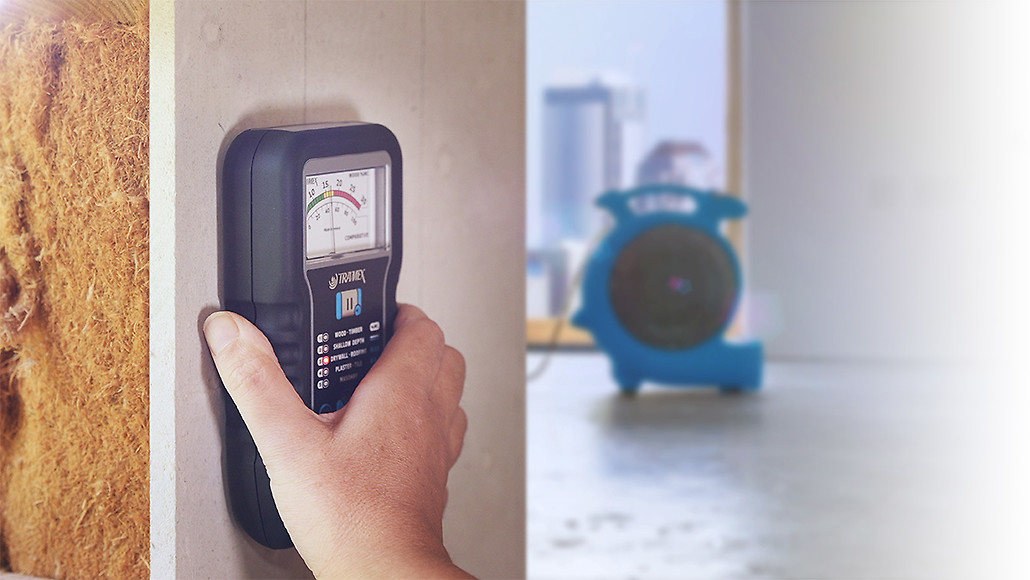
The first step in any indoor air quality improvement service after flooding is a comprehensive inspection.
What Professionals Evaluate:
- Extent of water intrusion
- Moisture levels in structural materials
- Relative humidity indoors
- HVAC system contamination
- Signs of microbial growth
- Airborne particulate levels
Specialized tools include:
- Moisture meters
- Hygrometers
- Thermal imaging cameras
- Air sampling pumps
- Surface sampling kits
Technicians document affected areas and categorize water damage based on contamination level. Flooding after storms or hurricanes is typically considered high-risk due to potential contamination.
This evaluation sets the foundation for the entire remediation plan.
Step 2: Immediate Water Extraction and Structural Drying
Water removal must begin immediately to prevent microbial growth. Even 24–48 hours of moisture can lead to mold development.
The Process Includes:
- High-powered extraction vacuums
- Removal of soaked carpeting and padding
- Controlled demolition of saturated drywall
- Industrial air movers
- Commercial-grade dehumidifiers
Drying is not simply about surface dryness. Professionals monitor internal moisture levels inside:
- Wall cavities
- Subflooring
- Framing
- Insulation
In Titusville’s humid climate, drying often takes longer than expected because outdoor air contains significant moisture.
Step 3: Containment of Affected Areas
Once mold risk is identified, containment becomes critical.
Why Containment Matters
Without proper barriers:
- Mold spores spread to unaffected rooms
- HVAC systems circulate contaminants
- Cross-contamination occurs
Professionals install:
- Plastic containment barriers
- Negative air pressure systems
- HEPA-filtered air scrubbers
Negative air pressure ensures contaminated air does not escape the affected zone. This step protects the rest of the property during cleanup.
Step 4: Removal of Contaminated Materials
Floodwater often saturates porous materials beyond salvage.
Commonly Removed Materials:
- Drywall
- Insulation
- Carpet padding
- Particleboard cabinetry
- Baseboards
Workers wear protective gear including respirators and disposable suits. Materials are carefully sealed in containment bags before disposal.
This stage eliminates major sources of contamination that could compromise air quality.
Step 5: HEPA Air Filtration and Air Scrubbing
Even after visible mold is removed, microscopic spores remain airborne.
High-efficiency particulate air (HEPA) systems:
- Capture mold spores
- Remove fine dust
- Reduce allergens
- Improve overall air quality
Air scrubbers continuously cycle indoor air through advanced filtration systems. In severe flooding cases, filtration may continue for several days.
Step 6: Surface Cleaning and Antimicrobial Treatment
After removal of contaminated materials, all remaining structural surfaces must be cleaned.
Cleaning Methods Include:
- HEPA vacuuming
- Damp wiping with antimicrobial solutions
- Mechanical agitation for stubborn growth
- Application of EPA-approved disinfectants
Wood framing, concrete slabs, and other structural elements are treated to prevent regrowth.
This stage is crucial for long-term indoor air stability.
Step 7: HVAC System Inspection and Cleaning
Flooding can severely impact heating and cooling systems. In Titusville, air conditioning systems often run year-round, meaning contaminants can circulate continuously if not addressed.
HVAC Remediation May Include:
- Duct cleaning
- Coil cleaning
- Drain pan sanitation
- Filter replacement
- Inspection of insulation inside ducts
If floodwater entered ductwork, sections may require replacement. Ensuring HVAC cleanliness prevents recontamination of newly restored spaces.
Step 8: Humidity Control and Moisture Prevention
After cleanup, maintaining controlled humidity is essential.
In coastal Florida environments like Titusville:
- Ideal indoor humidity: 30–50%
- High humidity encourages mold regrowth
Professionals may recommend:
- Whole-home dehumidifiers
- Smart humidity monitoring systems
- Improved attic ventilation
- Vapor barriers in crawl spaces
This step transforms remediation into long-term prevention.
Step 9: Post-Remediation Verification (PRV)
Final testing confirms successful indoor air quality restoration.
Post-Remediation Verification Includes:
- Visual inspection
- Air sampling
- Surface sampling
- Moisture re-testing
Airborne spore counts are compared to outdoor baseline levels. Only when results meet acceptable standards is the project considered complete.
PRV protects homeowners and ensures accountability.
Health Symptoms That Indicate Air Quality Issues After Flooding
After flooding, occupants may notice:
- Persistent musty odors
- Increased allergies
- Chronic coughing
- Headaches
- Sinus congestion
- Respiratory irritation
- Worsening asthma symptoms
If symptoms improve when leaving the building, indoor air contamination may be the cause.
Prompt evaluation is essential.
Unique Flood Risks in Titusville Homes
Properties near coastal and lagoon environments face additional challenges:
- Elevated groundwater tables
- Slow drainage after heavy rains
- Wind-driven rain infiltration
- Storm surge exposure
Older homes may lack modern vapor barriers or updated drainage systems. Floodwaters from tropical systems moving up Florida’s east coast can exacerbate moisture intrusion.
These factors make thorough indoor air quality restoration especially important in Titusville.
Why DIY Cleanup Often Fails
Many property owners attempt self-cleanup after minor flooding. However:
- Household fans do not provide structural drying
- Bleach does not eliminate hidden mold
- HVAC systems may remain contaminated
- Moisture trapped behind walls is overlooked
Without professional-grade equipment and moisture monitoring, mold colonies can redevelop weeks or months later.
Professional IAQ services address both visible and hidden contamination.
Timeline for Indoor Air Quality Restoration
Every project varies, but a typical timeline may include:
- Day 1–2: Assessment and water extraction
- Day 2–5: Structural drying
- Day 3–7: Material removal and containment
- Day 5–10: Cleaning, filtration, and antimicrobial treatment
- Final Stage: Verification testing
Larger flooding events may require additional time.
Long-Term Prevention Strategies for Titusville Properties
After remediation, prevention becomes the priority.
Practical Steps Include:
- Regular roof inspections
- Gutter maintenance
- Sealing exterior cracks
- Installing sump pumps in vulnerable areas
- Annual HVAC servicing
- Routine humidity monitoring
Preparedness reduces the severity of future flooding impacts.
Conclusion
Indoor air quality improvement services in Titusville after flooding involve far more than drying wet carpets or replacing damaged drywall. The process is systematic, technical, and essential for protecting both structural integrity and occupant health.
From initial moisture mapping to final post-remediation verification, each step ensures contaminants are identified, removed, and prevented from returning. In coastal communities near the Indian River Lagoon, where humidity and storm activity are ongoing concerns, professional indoor air quality restoration is not optional — it is critical.
Flood damage may begin with water, but its most lasting effects are often invisible in the air we breathe. Addressing indoor air quality properly ensures that homes and businesses in Titusville can recover fully, safely, and sustainably.