
Indoor Air Quality Improvement Services in Satellite Beach in Rental Properties: Step-by-Step Process Explained
Rental properties in Satellite Beach have a special talent: they can look perfectly fine and still smell a little… “coastal.” And not in the fresh ocean-breeze way. More like damp towels + AC vent funk. If you’ve managed rentals here for any length of time, you’ve probably dealt with at least one tenant complaint about musty odors, dust, or “stuffy air,” especially during humid months and after stormy weather.
Satellite Beach is beautiful, but it’s also coastal Florida. That means salty air, high humidity, wind-driven rain, and AC systems running constantly. In rentals, where filters don’t always get changed on time and small leaks sometimes get reported late (classic), indoor air quality (IAQ) can slip fast.
This guide breaks down a real step-by-step process for improving indoor air quality in Satellite Beach rental properties — the kind that actually holds up after the next tenant moves in.
What “Indoor Air Quality Improvement” Means in a Rental
Indoor air quality improvement isn’t just spraying something that smells nice and calling it a day. It’s identifying what’s contaminating the air and fixing the conditions that allow it to keep happening.
In Satellite Beach rentals, IAQ problems usually come from a mix of:
- Moisture and humidity
- HVAC and duct contamination
- Dust and debris buildup
- Mold growth in hidden areas
- Poor ventilation (especially in bathrooms/laundry areas)
- Post-storm water intrusion and damp building materials
Professional IAQ services focus on removing contaminants, drying moisture sources, and improving airflow so the problem doesn’t instantly return.
Why Satellite Beach Rentals Struggle With IAQ
Satellite Beach is right on the barrier island, so the environment adds extra pressure on building systems.
Coastal Humidity + Salt Air
Humidity stays high, and salty air can accelerate corrosion in HVAC components. That can lead to condensation issues, leaks, and airflow problems.
Storm-Driven Rain
Wind pushes rain into places it shouldn’t go: window tracks, door thresholds, roof flashing gaps, and soffit vents.
Tenant Habits
Some tenants run the AC extremely low (condensation city). Others barely run it and keep windows open (humidity party). Either way, moisture control takes a hit.
Filter Neglect
Even responsible tenants forget filters. In rentals, it’s safer to assume filters will be missed unless it’s scheduled and documented.
Step 1: Start With a Moisture and Odor Assessment
Before anyone touches ductwork or runs equipment, you need to identify whether humidity is the main driver.
A proper assessment includes:
- Indoor humidity readings (multiple rooms)
- Visual checks around vents, baseboards, and ceilings
- Attic inspection for damp insulation or duct sweating
- AC air handler check for standing water or staining
- Bathroom and laundry area ventilation check
If indoor humidity is consistently high, air quality will remain poor no matter how many “cleanings” happen.
Step 2: Moisture Detection (Because Mold Loves Rentals)
Moisture detection is where professionals find the problems tenants don’t see.
Tools commonly used:
- Moisture meters (drywall, baseboards, flooring)
- Thermal imaging (hidden dampness behind walls)
This step matters most in Satellite Beach because small water intrusion from storms can linger inside wall cavities and under flooring — especially in slab foundation homes.
If moisture is found, drying and source repair come before air quality work. Otherwise you’re just polishing the hood while the engine’s on fire. (Calmly. Not dramatically.)
Palm Bay Mold Removal typically pairs moisture detection with IAQ services in Brevard County rentals because it prevents repeat issues.
Step 3: HVAC System Inspection and AC Condensation Check
In Florida rentals, the HVAC system is usually the main delivery route for poor air. If the air handler is contaminated, everything downstream gets affected.
A solid inspection includes:
- Evaporator coil condition
- Drain pan and condensate line performance
- Blower compartment cleanliness
- Evidence of microbial growth or staining
- Return air pathways and filter fit
Common rental issue: filters that don’t fit tightly. That gap lets dust bypass the filter and coat the coil — which then stays damp… which then grows stuff. Not ideal.
If condensate lines are clogged or partially blocked, water backs up and adds moisture to the system.
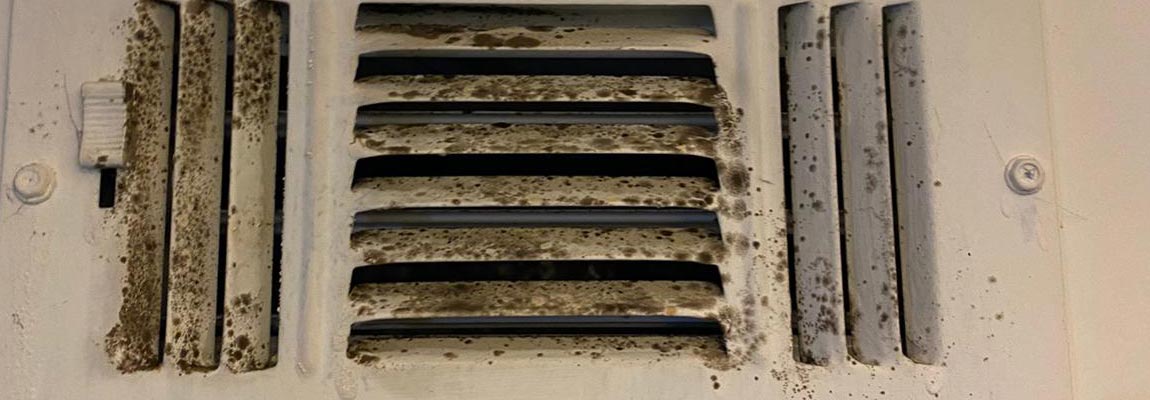
Step 4: Air Duct and Vent Evaluation
Not every duct system needs full cleaning, but in rentals it’s often warranted because:
- Tenants vary widely in cleanliness
- Pets are common
- Filters are inconsistently replaced
- Renovations leave drywall dust behind
- Coastal humidity encourages buildup to hold moisture
Professionals inspect:
- Supply ducts and returns
- Vent grilles and register boots
- Duct insulation condition
- Signs of mold or damp debris
If ducts contain visible buildup or musty odor source, duct cleaning becomes part of the IAQ plan.
Step 5: Targeted Duct Cleaning (When It’s Actually Needed)
When duct cleaning is appropriate, it should be done with proper containment and professional vacuum systems.
A proper job includes:
- Cleaning supply and return lines
- Cleaning vent grilles
- Removing debris from trunk lines
- Checking for damp insulation that may need replacement
If duct insulation is wet or moldy, cleaning alone won’t solve it — replacement may be needed.
Step 6: Air Scrubbing and Filtration (HEPA, Not “Hope”)
After moisture sources are controlled and HVAC issues are addressed, air scrubbing can remove lingering particles.
This often includes:
- Portable HEPA air scrubbers running in central areas
- High-efficiency filtration upgrades (as system allows)
- Cleaning dust reservoirs (tops of cabinets, fan blades, returns)
Air scrubbing is especially helpful between tenants when you want the unit to smell neutral and feel “fresh” without using fragrances.
Step 7: Mold Inspection and Cleaning if Needed
If moisture detection or HVAC inspection suggests mold, mold inspection/testing may be recommended.
If mold is confirmed, remediation comes before any final IAQ steps.
A professional approach may include:
- Containment
- Removal of impacted materials if necessary
- Cleaning and treatment of affected structural areas
- Verification of dryness
This is where shortcuts in rentals get expensive. Covering stains and hoping the next tenant doesn’t notice is… a strategy. Not a good one. :/
Step 8: Final Verification and Documentation
For property owners, “it looks better” isn’t enough. You want a process that can be documented.
Final steps should include:
- Humidity re-check (goal typically 40–60%)
- Verification that condensate drains properly
- Confirmation that musty odors are resolved
- Optional air sampling if the history warrants it
- Written summary of what was done and what to maintain
This is also useful if you’re working with a property manager or need records for recurring issues.
Step 9: Prevention Plan for Satellite Beach Rentals
This is where IAQ improvements stick long-term.
A simple prevention plan for rentals:
- Scheduled filter changes every 30–60 days (don’t leave it to tenants)
- Annual HVAC maintenance before peak summer
- Condensate line flush schedule
- Post-storm quick inspections for water intrusion
- Bathroom exhaust fan checks (and cleaning)
- Humidity monitoring in problem units
If you own multiple rentals, standardizing these steps saves money. The worst IAQ issues almost always show up in the same places.
Why Local Experience Matters in Satellite Beach
Satellite Beach isn’t the same as inland Brevard County. Coastal conditions add constant humidity pressure, salt exposure, and storm-driven rain intrusion risk.
Professionals who work in Satellite Beach, Cocoa Beach, Merritt Island, and nearby areas understand:
- Typical coastal HVAC issues
- How storm water sneaks into building envelopes
- Which homes are prone to duct sweating
- What humidity patterns look like in real Florida summers
Palm Bay Mold Removal has worked across Brevard County and understands how local conditions affect rentals specifically — where maintenance gaps and tenant turnover can amplify moisture and air quality problems.
Calm, Trust-Based Call to Action
If you’re getting repeated complaints about musty odors, dust, or “stuffy air” in a Satellite Beach rental, it’s usually not a mystery — it’s moisture, HVAC contamination, or both.
A professional indoor air quality improvement service gives you a structured way to diagnose the cause, fix it correctly, and prevent it from coming right back with the next rainy week.
If you want a practical, homeowner-first approach (not salesy, not dramatic), Palm Bay Mold Removal can help you evaluate the unit, identify moisture drivers, and recommend the right mix of drying, HVAC cleaning, duct service, and prevention steps.