
Indoor Air Quality Improvement in West Melbourne in Commercial Buildings: What Homeowners Should Know
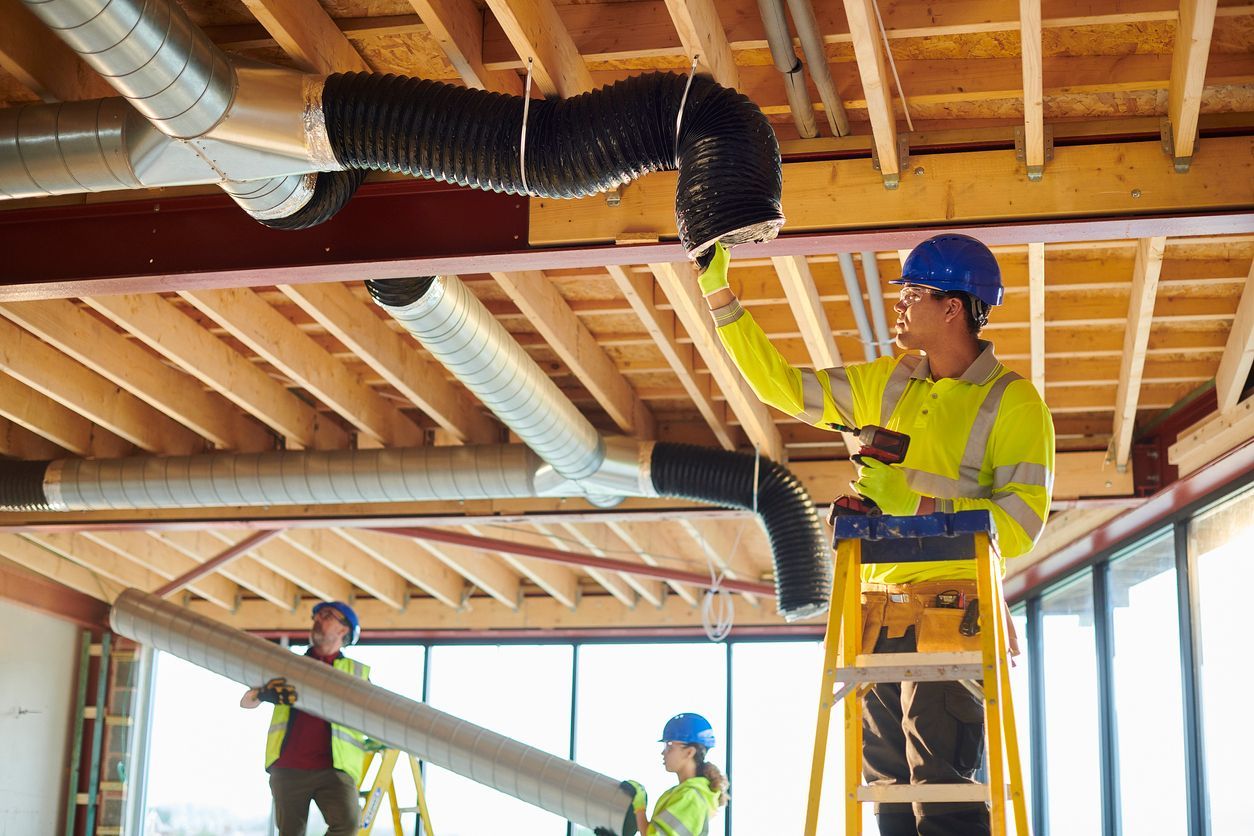
Indoor air quality is often associated with homes, but commercial buildings in West Melbourne face many of the same challenges—sometimes on a much larger scale. Offices, retail spaces, and mixed-use buildings frequently deal with humidity, ventilation limitations, and hidden moisture issues that impact indoor environments. Property owners who lease or manage commercial buildings often discover that air quality problems affect both tenant comfort and building maintenance costs.
Homeowners who own or invest in commercial spaces, rental offices, or mixed-use properties in West Melbourne benefit from understanding how indoor air quality improvement works. Healthy air inside buildings supports occupant comfort, protects property materials, and helps prevent mold and moisture damage over time.
Across West Melbourne and nearby Brevard County communities such as Palm Bay, Melbourne, Rockledge, Merritt Island, Cocoa Beach, Satellite Beach, Titusville, and Viera, commercial properties face indoor air quality challenges influenced by Florida’s climate.
What Indoor Air Quality Means in Commercial Buildings
Indoor air quality refers to the cleanliness and comfort of air circulating inside buildings. In commercial environments, air quality depends on ventilation systems, humidity control, and maintenance practices.
Common air quality issues in commercial buildings include:
- Excess humidity indoors
- Mold growth in hidden areas
- Dust and debris in duct systems
- Poor ventilation circulation
- Odor buildup from moisture
- Contaminants spreading through HVAC systems
When air quality declines, occupants may notice discomfort, unpleasant odors, or recurring maintenance concerns.
Why Commercial Buildings in West Melbourne Face Air Quality Problems
Commercial properties in West Melbourne experience environmental conditions similar to residential homes but often operate larger HVAC systems and accommodate more occupants.
Several factors increase air quality challenges:
- High humidity throughout much of the year
- Frequent storms introducing moisture
- Large HVAC systems requiring regular maintenance
- Buildings sealed tightly for energy efficiency
- Roof leaks allowing moisture intrusion
- Condensation issues around cooling systems
Without proper airflow and humidity control, moisture accumulates and air quality declines.
Early Signs of Indoor Air Quality Issues
Indoor air quality problems often appear gradually. Property owners and tenants may notice signs before realizing the cause.
Common warning signs include:
- Musty odors inside buildings
- Rooms feeling damp or uncomfortable
- Visible mold spots near vents or ceilings
- Condensation on windows or ducts
- Increased dust accumulation
- Persistent humidity indoors
- Complaints about air freshness
- Uneven cooling or airflow
These signs often indicate ventilation or moisture problems needing professional attention.
Hidden Sources of Air Quality Problems
Air quality problems often originate in areas building occupants rarely see.
Common hidden sources include:
- Mold growth inside ductwork
- Moisture trapped in wall cavities
- Wet insulation from roof leaks
- Condensation near HVAC components
- Crawl spaces or utility rooms with poor ventilation
- Areas affected by plumbing leaks
Because moisture spreads unpredictably, problems may remain unnoticed until odors or visible damage appear.
Why DIY Solutions Often Fall Short
Building owners sometimes try to improve air quality using portable filters or surface cleaning alone. While this may temporarily improve conditions, deeper issues usually remain.
DIY approaches often fail because:
- Moisture sources remain unresolved
- HVAC systems require professional maintenance
- Mold remains hidden behind surfaces
- Duct contamination continues spreading particles
- Humidity levels remain high
Professional assessment ensures the root cause is addressed.
How Professional Indoor Air Quality Improvement Works
Professional air quality improvement begins with inspection and system evaluation.
A typical improvement process includes:
- Inspection of HVAC systems and ductwork
- Moisture detection inside walls and ceilings
- Identification of ventilation problems
- Cleaning or replacement of contaminated materials
- Air filtration improvements
- Humidity control adjustments
- HVAC repairs or cleaning when needed
Technicians familiar with West Melbourne buildings understand common regional moisture patterns and construction designs.
Palm Bay Mold Removal frequently assists property owners across Brevard County in improving indoor air quality through moisture control and ventilation improvements.
Mold Removal and Moisture Control in Commercial Buildings
Mold often becomes part of air quality problems when moisture remains in buildings. Professional remediation removes contamination while preventing recurrence.
Remediation typically includes:
- Containment of affected areas
- Removal of contaminated materials
- Cleaning and antimicrobial treatment
- Structural drying and dehumidification
- Repair of moisture sources
Removing mold without correcting moisture issues usually results in repeated problems.
Water Damage Restoration and Air Quality
Water intrusion frequently impacts indoor air quality. Storm leaks, plumbing failures, and condensation problems can all contribute to contamination.
Restoration services often include:
- Water extraction
- Structural drying
- Removal of wet materials
- Odor treatment
- Repair of damaged areas
Dry buildings maintain healthier air conditions.
HVAC Systems and Air Quality in Commercial Spaces
HVAC systems play a major role in maintaining indoor air quality. When ducts or air handlers contain moisture or debris, contaminants circulate throughout the building.
Warning signs HVAC systems need attention include:
- Musty odors when cooling begins
- Excess dust around vents
- Uneven airflow
- Persistent humidity
Air duct cleaning and HVAC maintenance often improve indoor conditions significantly.
Preventing Indoor Air Quality Problems
Preventive maintenance helps reduce air quality concerns.
Helpful prevention steps include:
- Annual HVAC inspections
- Routine duct cleaning when needed
- Roof and plumbing maintenance
- Moisture inspections after storms
- Proper ventilation management
- Prompt response to leaks
Buildings that maintain airflow and humidity control experience fewer long-term problems.
Why Local Experience Matters
Commercial buildings in West Melbourne face environmental challenges unique to Florida’s coastal communities. Restoration and air quality solutions must account for humidity, storms, and local construction methods.
Professionals familiar with Brevard County properties understand how moisture behaves locally and can recommend practical solutions suited to regional conditions.
Palm Bay Mold Removal regularly serves West Melbourne property owners with indoor air quality improvement services tailored to Florida’s climate.
A Smart Next Step for Property Owners
If tenants report odors, humidity problems, or recurring air quality concerns, scheduling a professional indoor air quality assessment can help identify underlying issues.
Early action improves occupant comfort, protects building materials, and reduces long-term maintenance costs. Addressing air quality concerns allows West Melbourne property owners to maintain healthier commercial environments for tenants and visitors alike.