
Indoor Air Quality Improvement in Satellite Beach After Plumbing Leaks: Inspection and Repair Guide
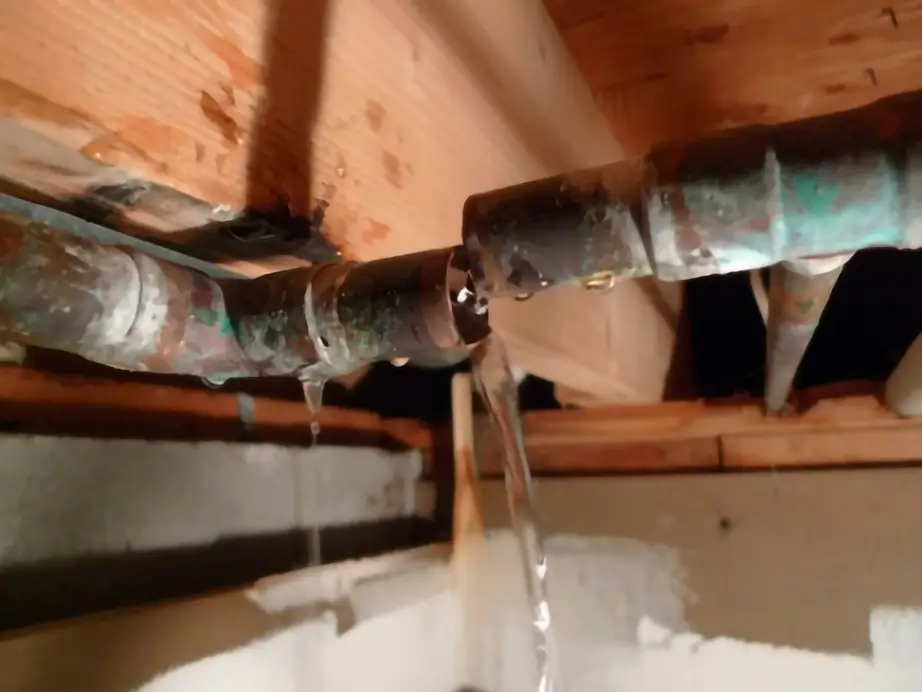
For homeowners in Satellite Beach, maintaining healthy indoor air quality (IAQ) is a year-round priority. The coastal climate, high humidity, and salt-laden air already present challenges, but plumbing leaks add a hidden and serious risk. Even small leaks can introduce moisture that encourages mold growth, dust mite proliferation, and bacterial contamination, all of which degrade air quality and can negatively affect health.
This guide provides a comprehensive step-by-step approach to inspecting, repairing, and improving indoor air quality after plumbing leaks. It is tailored for coastal homes, with practical advice for early detection, professional remediation, and preventive measures.
Why Plumbing Leaks Affect Indoor Air Quality
Plumbing leaks introduce moisture into walls, floors, ceilings, and cavities, creating an environment conducive to mold and microbial growth. Moisture that is not promptly addressed can lead to:
- Mold Growth – Mold spores thrive in damp areas and can spread through HVAC systems.
- Dust Mite Proliferation – Humid environments promote dust mite populations that exacerbate allergies.
- Bacterial Contamination – Stagnant water can host bacteria, especially if pipes carry graywater or sewage.
- Structural Damage – Water can weaken drywall, insulation, wood framing, and flooring, allowing contaminants to accumulate and circulate in the home.
In coastal environments like Satellite Beach, high ambient humidity intensifies the effects of even minor leaks. Homes with central air conditioning may circulate spores and allergens throughout living spaces if moisture is not promptly managed.
Common Causes of Plumbing-Related IAQ Issues
Understanding the sources helps homeowners address the root problem and prevent recurring air quality issues:
1. Leaky Pipes
Old or corroded pipes, loose fittings, or worn seals can slowly leak water into walls, floors, and ceilings.
2. Appliance Failures
Dishwashers, water heaters, washing machines, and ice makers can leak and create localized moisture problems.
3. Toilet or Sink Overflows
Frequent overflows or slow-draining fixtures can saturate flooring, baseboards, and subflooring.
4. Hidden Plumbing Lines
Pipes hidden behind walls or under floors may leak without obvious signs, allowing water to accumulate undetected.
5. Seasonal Coastal Weather
Heavy rains and high tides can exacerbate plumbing pressure issues, leading to leaks in supply or drainage lines.
Early Signs That Indoor Air Quality May Be Compromised
Homeowners should be vigilant for the following indicators of compromised air quality after plumbing leaks:
- Musty or Damp Odors – Often the first sign of mold growth inside walls or under flooring.
- Visible Mold or Mildew – Appears as black, green, or white spots on walls, ceilings, or flooring.
- Allergy or Respiratory Symptoms – Sneezing, coughing, congestion, or headaches may intensify indoors.
- Warped or Stained Surfaces – Bubbling paint, discolored drywall, or sagging flooring indicates water exposure.
- High Indoor Humidity – Moisture meters or hygrometers showing elevated levels suggest lingering dampness.
- Condensation on Windows or Pipes – Persistent moisture indicates inadequate drying.
Even without visible mold, moisture intrusion can silently degrade air quality and promote hidden microbial growth.
Step 1: Inspection After Plumbing Leaks
A thorough inspection identifies the source of leaks and areas at risk for mold or bacterial contamination:
- Visual Inspection – Look for water stains, discoloration, warped materials, or visible mold.
- Moisture Assessment – Moisture meters and thermal imaging detect hidden damp areas in walls, floors, and ceilings.
- HVAC Evaluation – Check ductwork and air handlers for moisture intrusion or contamination from circulating spores.
- Appliance Inspection – Examine water heaters, dishwashers, washing machines, and sinks for leaks or faulty seals.
Professional inspection ensures both visible and hidden moisture problems are identified for effective remediation.
Step 2: Immediate Water Mitigation
Prompt action reduces microbial growth and limits indoor air quality degradation:
- Shut Off Water Source – Stop active leaks to prevent further water accumulation.
- Extract Standing Water – Use wet vacuums or pumps to remove water from floors, carpets, or subflooring.
- Dry Materials Quickly – Employ air movers, fans, and dehumidifiers to accelerate drying of walls, flooring, and crawl spaces.
- Remove Contaminated Materials – Porous items like carpet padding, insulation, and drywall may need removal to prevent mold regrowth.
Immediate mitigation is critical; mold can begin to grow within 24–48 hours of moisture exposure.
Step 3: Mold Testing and Air Quality Assessment
After leaks are mitigated, professional mold testing assesses the extent of contamination:
- Air Sampling – Measures airborne spores to compare indoor vs. outdoor levels.
- Surface Sampling – Collects swabs or tape-lift samples from walls, flooring, or ducts.
- HVAC Testing – Ensures ductwork and filters are free of spores that could circulate throughout the home.
Testing informs targeted remediation and verifies that indoor air quality is safe post-cleanup.
Step 4: Professional Mold and Microbial Remediation
If mold or microbial growth is detected, a structured remediation plan is essential:
- Containment – Isolate affected areas to prevent spores from spreading.
- Removal of Contaminated Materials – Dispose of drywall, insulation, carpet, or ceiling tiles that are saturated or mold-infested.
- Cleaning and Disinfection – Non-porous surfaces and ductwork are cleaned using HEPA vacuums and antimicrobial solutions.
- Drying and Dehumidification – Industrial-grade equipment ensures all residual moisture is removed to prevent regrowth.
- Post-Remediation Verification – Clearance testing confirms air quality and mold levels are within safe limits.
Professional remediation not only removes visible mold but also addresses hidden spores that could compromise indoor air quality over time.
Step 5: HVAC System Cleaning
HVAC systems often harbor spores after plumbing leaks:
- Clean air ducts, coils, and filters.
- Ensure condensate lines are clear and functional.
- Consider installing high-efficiency filters or UV light systems to maintain clean airflow.
Proper HVAC maintenance is critical in coastal homes where AC systems run year-round and air circulation can spread spores if unchecked.
Step 6: Preventive Measures for Long-Term Air Quality
To maintain healthy indoor air after plumbing leaks, homeowners should implement preventive strategies:
- Regular Plumbing Maintenance – Inspect pipes, appliances, and seals periodically to prevent leaks.
- Humidity Control – Use dehumidifiers or ventilation fans to maintain indoor humidity below 50%.
- Attic and Crawlspace Ventilation – Ensure proper airflow to minimize trapped moisture.
- Prompt Leak Response – Even minor leaks should be addressed immediately to prevent microbial growth.
- Filter Replacement – Regularly replace AC and HVAC filters to reduce particle circulation.
- Water-Resistant Materials – Consider moisture-resistant drywall, insulation, or flooring in high-risk areas.
Combining preventive measures with regular inspections helps protect indoor air quality year-round.
Health Considerations
Exposure to mold and microbial contaminants can lead to:
- Respiratory irritation, coughing, and sneezing
- Worsening of asthma or allergy symptoms
- Headaches, fatigue, or eye irritation
- Long-term exposure risks for sensitive populations
Professional remediation and preventive maintenance restore safe air quality, ensuring healthy indoor environments for families.
Costs Associated With Post-Leak Air Quality Restoration
Costs vary depending on the extent of damage and remediation required:
- Small-Scale Leaks and Minor Air Quality Issues – $500–$1,500
- Moderate Damage with Mold Remediation – $1,500–$4,000
- Extensive Flooding or HVAC Contamination – $4,000–$10,000+
Investing in timely inspection and remediation can prevent far higher costs from structural damage and long-term air quality problems.
Local Expertise Matters
Satellite Beach homeowners benefit from working with local professionals familiar with coastal conditions:
- High humidity and storm patterns
- Common construction practices in coastal homes
- AC and plumbing systems prevalent in the area
- Regional standards for mold remediation and indoor air quality
Local experts provide tailored inspection, remediation, and prevention strategies suited to the specific environmental challenges of coastal Florida homes.
Conclusion
Plumbing leaks in Satellite Beach homes present a serious risk to indoor air quality. Moisture from leaks promotes mold growth, bacterial contamination, and dust mite proliferation, all of which can affect health and property integrity.
Early detection of leaks, prompt water mitigation, mold testing, and professional remediation are key to restoring safe, clean indoor air. Post-remediation strategies, including HVAC cleaning, humidity control, and preventive maintenance, ensure long-term air quality and protect homeowners from recurring issues.
By staying vigilant and addressing plumbing leaks proactively, Satellite Beach homeowners can maintain a healthy, comfortable indoor environment while safeguarding their coastal properties from costly water and mold damage.