
Indoor Air Quality Improvement in Rockledge from AC Condensation: Professional Tips for Property Owners
Rockledge homeowners depend heavily on air conditioning for most of the year. With high humidity, frequent summer storms, and warm coastal air moving inland from the Indian River Lagoon, AC systems often run daily — sometimes nonstop during peak months.
While air conditioning keeps indoor spaces comfortable, it can also become a hidden source of indoor air quality problems when condensation is not properly managed. AC condensation issues are common in Rockledge, and when left unaddressed, they can lead to moisture buildup, musty odors, and even mold development inside walls and duct systems.
Improving indoor air quality starts with understanding how condensation forms and how to prevent it from affecting your home.
Why AC Condensation Is Common in Rockledge
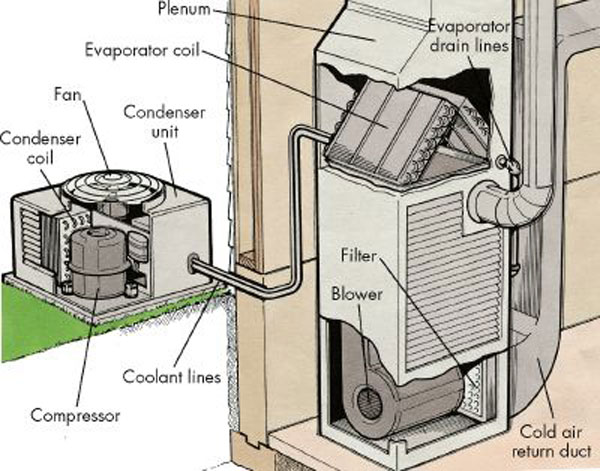
Condensation is a normal byproduct of air conditioning. As warm, humid air passes over cold evaporator coils, moisture in the air condenses into water droplets. This water is supposed to drain safely through a condensate line.
In Rockledge’s humid climate, AC systems remove significant amounts of moisture from the air daily. During peak summer months, the volume of condensation increases dramatically.
Problems begin when:
Drain lines clog
Condensate pans overflow
Duct insulation deteriorates
Airflow becomes restricted
Attic temperatures create excessive temperature differences
Homes in nearby Viera and Merritt Island face similar humidity levels, but attic-installed duct systems in Rockledge are especially vulnerable to condensation buildup.
How Condensation Affects Indoor Air Quality
When condensation is not properly drained or controlled, moisture can accumulate in areas not designed to handle it.
Water may drip onto insulation or drywall. Damp duct insulation can hold moisture. Air handlers may develop internal buildup if not maintained.
Excess moisture creates conditions where:
Musty odors develop
Dust and debris stick to damp surfaces
Airflow becomes restricted
Mold growth becomes possible
Even without visible leaks, persistent condensation can reduce overall indoor air quality over time.
Early Warning Signs of AC-Related Moisture Problems
Many property owners notice subtle changes before identifying condensation issues.
A musty smell when the AC turns on
Water stains on ceilings near vents
Dripping sounds inside walls
High indoor humidity despite AC operation
Uneven cooling between rooms
Ceiling stains beneath attic duct runs are common indicators. In some cases, moisture accumulates slowly enough that damage appears weeks after the issue begins.
If indoor humidity consistently remains above 60 percent, condensation risks increase.
Condensation Inside Duct Systems
Ductwork installed in hot attic spaces is particularly prone to condensation. When cool air travels through ducts surrounded by high attic temperatures, moisture can form on exterior surfaces if insulation is inadequate.
Over time, damp insulation loses effectiveness. This increases the temperature difference between duct air and attic air, leading to even more condensation.
Flexible ducts are especially vulnerable. If insulation becomes saturated, it may compress or sag, reducing airflow and increasing humidity levels inside the home.
Proper duct inspection and insulation maintenance are critical for prevention.
Clogged Drain Lines and Overflow Risks
One of the most common causes of AC-related water damage is a clogged condensate drain line.
Over time, algae and debris accumulate in the line. When blockage occurs, water backs up into the drain pan. If the pan overflows, water may leak into ceilings or wall cavities.
Regular maintenance helps prevent this issue. Drain lines should be inspected and cleared periodically, especially before peak summer usage.
Ignoring a clogged drain line can lead to drywall damage and potential mold growth.
The Role of HVAC Maintenance
Routine HVAC maintenance is one of the most effective ways to improve indoor air quality.
Maintenance should include:
Inspecting evaporator coils
Checking drain lines
Cleaning or replacing air filters
Examining duct connections
Evaluating attic duct insulation
Dirty filters restrict airflow, increasing condensation inside the system. Reduced airflow forces the unit to work harder, compounding moisture issues.
Professional inspection identifies small issues before they become larger restoration problems.
Moisture Detection and Air Quality Assessment
When condensation problems are suspected, moisture detection tools can identify hidden dampness.
Moisture meters measure drywall and framing conditions. Thermal imaging cameras detect temperature differences that indicate trapped moisture.
Air sampling may be recommended if indoor air quality concerns persist.
Palm Bay Mold Removal frequently evaluates moisture-related indoor air quality issues in Rockledge homes where condensation has caused hidden damage.
Preventing Future Condensation Problems
Prevention strategies focus on both moisture control and ventilation improvement.
Keep AC drain lines clear.
Replace air filters regularly.
Ensure attic duct insulation is intact.
Improve attic ventilation.
Maintain indoor humidity below 60 percent.
Installing secondary drain pans with overflow protection can also reduce the risk of ceiling damage.
In humid Florida summers, supplemental dehumidifiers may help maintain balanced moisture levels indoors.
The Importance of Attic Ventilation
Attic ventilation plays a significant role in condensation control. When attic air becomes excessively hot, temperature differences increase around ductwork.
Proper intake and exhaust ventilation allow hot air to escape, reducing condensation risk on cool duct surfaces.
Homes in Rockledge built decades ago may lack adequate attic ventilation systems. Upgrades can significantly reduce moisture-related HVAC issues.
Long-Term Indoor Air Quality Benefits
Addressing AC condensation improves more than structural stability. It enhances overall indoor comfort.
Balanced humidity levels reduce musty odors. Proper airflow distributes conditioned air evenly. Clean, dry ducts support better respiratory comfort.
Energy efficiency also improves when airflow restrictions are eliminated.
Small preventative steps today help avoid larger restoration projects later.
Why Local Experience Matters
Rockledge’s coastal humidity patterns differ from inland Florida regions. Lagoon proximity, summer thunderstorm cycles, and prolonged AC use create unique moisture challenges.
Professionals familiar with Brevard County housing styles understand common duct configurations and attic conditions.
Palm Bay Mold Removal has worked extensively in Rockledge and surrounding communities, addressing condensation-related moisture issues common in humid environments.
Maintaining a Healthy Indoor Environment
Indoor air quality improvement begins with moisture control. AC condensation is manageable when systems are properly maintained and inspected.
By recognizing warning signs early and implementing preventative measures, Rockledge property owners can maintain dry, comfortable homes year-round.
In Florida’s humid climate, proactive HVAC care protects both air quality and structural integrity.