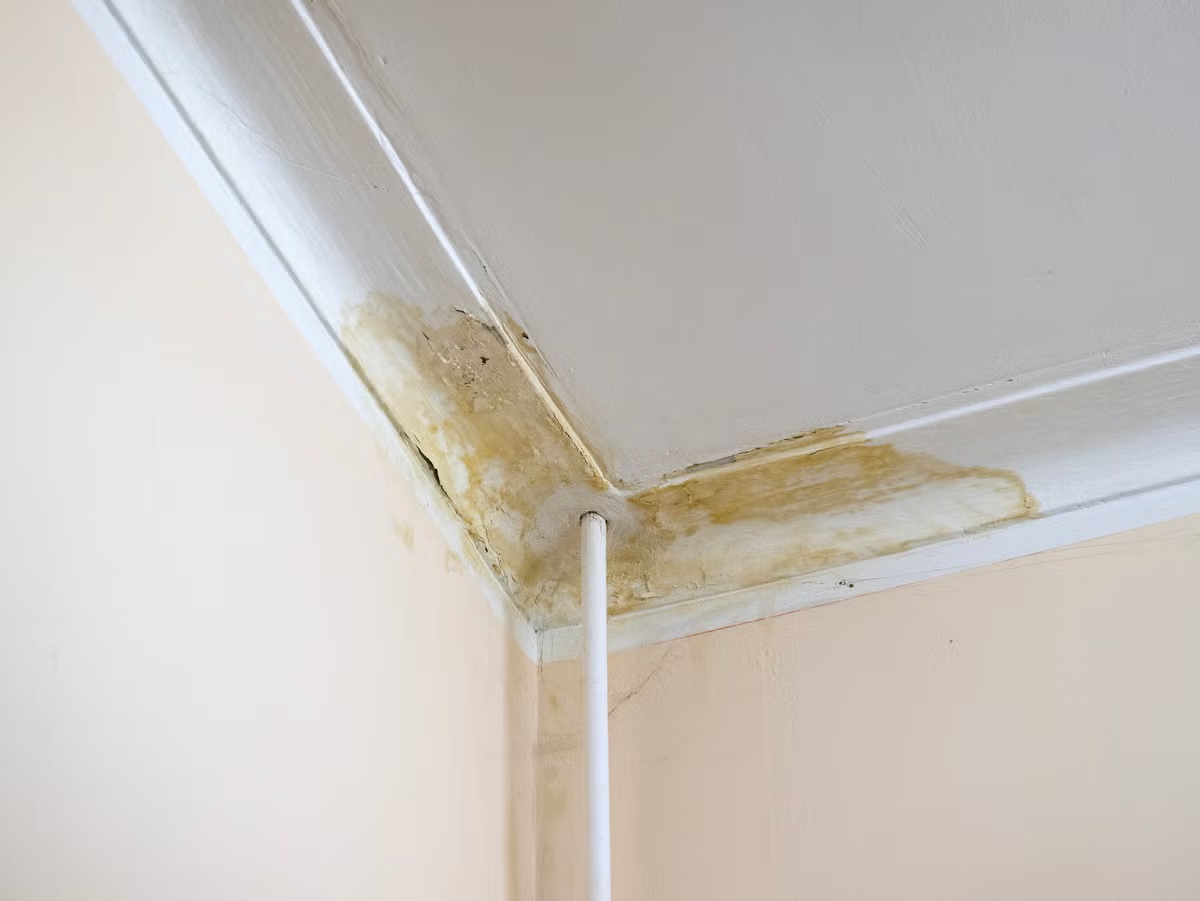
Indoor Air Quality Improvement in Melbourne After Flooding: Early Signs You Should Not Ignore
Flooding is one of the most disruptive problems a homeowner in Melbourne can face. Even after visible water is removed and surfaces appear dry, the indoor environment often continues to be affected in ways that are not immediately obvious. One of the most important but overlooked concerns after flooding is indoor air quality.
Air inside a home can be affected by moisture trapped in materials, contaminants carried by floodwater, and microbial growth developing in hidden areas. Recognizing the early signs of declining indoor air quality can help homeowners act quickly and prevent long-term damage.
What Indoor Air Quality Problems Are After Flooding
Indoor air quality issues occur when moisture, contaminants, or airborne particles remain inside a home after water intrusion. Floodwater often carries organic material, dirt, and microscopic particles that settle into carpets, drywall, insulation, and duct systems.
Even after cleanup, damp materials can continue releasing moisture and odors into the air. In humid areas like Melbourne and Palm Bay, this process happens faster because warm air accelerates microbial growth and evaporation from damp surfaces.
Common indoor air quality problems after flooding include:
- Elevated humidity levels
- Musty or damp odors
- Airborne mold spores
- Dust and debris circulating through ducts
- Contaminants trapped in insulation or flooring
These issues can persist for weeks or months if the underlying moisture is not fully addressed.
Why This Happens So Often in Melbourne
Melbourne’s climate plays a major role in how homes recover after flooding. Coastal weather conditions create several challenges:
High humidity slows drying. Materials that would dry quickly in drier climates may stay damp much longer in Brevard County.
Frequent rainstorms reintroduce moisture. Even small leaks or damp exterior walls can keep humidity levels high.
Warm temperatures accelerate microbial growth. Damp areas in attics, crawl spaces, or behind walls can develop problems quickly.
Air conditioning systems run constantly. AC systems help remove humidity but can also circulate particles if ducts or air handlers are contaminated.
Homes in nearby Cocoa Beach, Satellite Beach, Merritt Island, and Rockledge experience similar conditions, especially after heavy seasonal storms.
Early Signs Homeowners Should Not Ignore
Indoor air quality problems rarely appear suddenly. Instead, subtle warning signs usually develop first. Paying attention to these early clues can help prevent more serious damage.
Persistent musty odors
A damp smell that doesn’t disappear after cleaning often indicates hidden moisture or microbial growth.
Rooms that feel humid or clammy
If indoor air feels damp even when the AC is running, moisture may still be present in structural materials or insulation.
Dust buildup around vents
Flooding can introduce debris into duct systems, which may circulate through the home.
Uneven cooling or airflow
Moisture or contamination in ducts and filters can restrict airflow.
Condensation on windows or vents
Excess indoor humidity often leads to visible condensation.
These early warning signs are common in homes recovering from water intrusion and should be evaluated before conditions worsen.
Hidden or Overlooked Sources of Poor Air Quality
Some of the most significant indoor air quality issues develop in areas homeowners rarely see.
Wall cavities and insulation
Water can seep behind drywall, leaving insulation damp for long periods.
Subflooring and flooring layers
Moisture trapped beneath flooring materials can affect indoor humidity levels.
Attics and crawl spaces
Flood-related humidity often migrates upward, affecting attic air and duct systems.
Air ducts and air handlers
Ductwork can collect moisture and contaminants, allowing particles to circulate throughout the home.
These hidden sources are why professional inspections are often necessary after flooding.
Why DIY Drying and Cleaning Often Miss the Problem
Many homeowners act quickly after flooding by using fans, dehumidifiers, or surface cleaning products. While these steps are helpful, they usually address only visible moisture.
DIY efforts often miss:
- Moisture trapped behind walls
- Damp insulation inside ducts
- Hidden condensation in HVAC systems
- Contaminants embedded in carpets or padding
Without specialized equipment, it is difficult to measure moisture levels accurately or locate hidden damp areas.
Professional Indoor Air Quality Assessment Explained
A professional indoor air quality evaluation typically begins with a detailed inspection of moisture levels and airflow conditions.
Technicians often:
- Measure indoor humidity levels
- Check air ducts and air handlers
- Inspect attics and crawl spaces
- Use moisture meters to locate hidden damp areas
- Evaluate ventilation and filtration systems
In some cases, air or surface sampling may be recommended to confirm contamination levels and determine appropriate cleaning methods.
Professionals working in Melbourne and surrounding areas understand how coastal humidity affects drying times and can identify issues that are easy to overlook.
Improving Indoor Air Quality After Flooding
Restoring indoor air quality usually requires a combination of drying, cleaning, and moisture control.
Typical steps include:
- Removing water-damaged materials when necessary
- Thorough drying using professional equipment
- Cleaning and sanitizing affected surfaces
- Air duct cleaning if contamination is present
- Improving ventilation and filtration
The goal is not only to remove contaminants but also to prevent them from returning.
Companies such as Palm Bay Mold Removal often focus on identifying the source of moisture first, since long-term improvement depends on controlling humidity and preventing recurring dampness.
Flood Restoration and Water Damage Repair
Flood restoration is closely connected to indoor air quality. Even small amounts of remaining moisture can affect air quality long after visible water is gone.
Restoration work may involve:
- Structural drying
- Moisture detection
- Dehumidification
- Cleaning and treatment of affected materials
Addressing these factors early helps prevent secondary damage and reduces the likelihood of mold growth.
Air Ducts, AC Systems, and Air Quality
Air conditioning systems play a major role in indoor air quality after flooding. If ducts or air handlers become damp, they can circulate particles and odors throughout the home.
Common post-flood AC issues include:
- Dust and debris drawn into ducts
- Condensation inside ductwork
- Damp insulation around air handlers
- Clogged filters reducing airflow
Cleaning and inspecting HVAC systems after flooding helps restore normal air circulation and reduces the risk of recurring problems.
How to Prevent Indoor Air Quality Problems in the Future
Homeowners in Melbourne can reduce future risks by taking preventive steps:
- Keep indoor humidity below 60%
- Replace HVAC filters regularly
- Schedule routine AC maintenance
- Inspect roofs and plumbing for leaks
- Ensure proper attic ventilation
- Address water intrusion quickly
Even small moisture problems can affect air quality if left uncorrected, especially in humid coastal climates.
Why Local Experience Matters
Flood recovery in coastal Florida requires an understanding of local building methods, weather patterns, and humidity cycles. Homes in Melbourne, Viera, Titusville, and surrounding Brevard County communities often share similar construction features and environmental conditions.
Professionals familiar with the region recognize how storm patterns, ocean air, and high humidity influence drying times and contamination risks. Palm Bay Mold Removal and other experienced local specialists often tailor their approach to these regional factors, helping homeowners achieve more reliable results.
A Calm, Practical Next Step
If your home has experienced flooding and you notice musty odors, humidity, or airflow changes, it’s wise to have the property evaluated sooner rather than later. Early detection and correction of moisture problems can significantly improve indoor air quality and help prevent long-term structural or HVAC issues.
Restoring a home after flooding is not only about removing water—it’s about creating a clean, dry indoor environment where air can circulate safely and comfortably again.