How Water Leak Detection Helps Homes in West Melbourne After Hurricanes
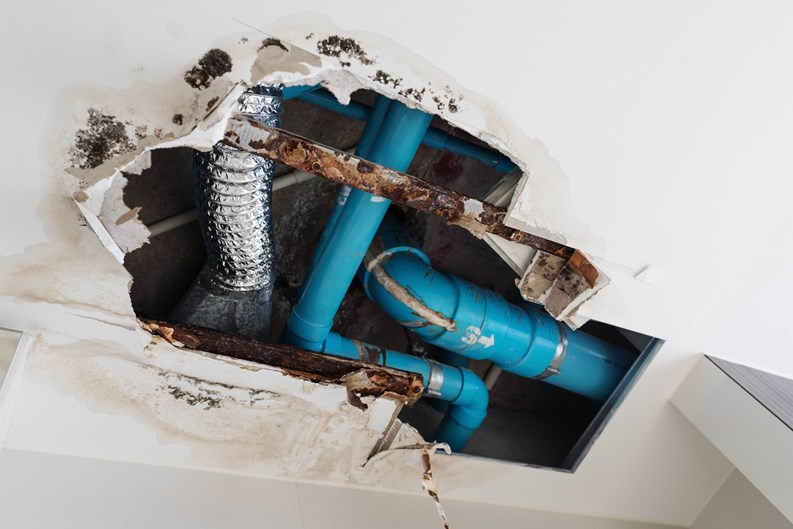
Homes in West Melbourne face significant risks during hurricane season. High winds, heavy rainfall, and storm surges often result in water intrusion, hidden leaks, and structural vulnerabilities. Water that goes undetected can compromise walls, ceilings, flooring, and HVAC systems, creating long-term problems such as mold growth, poor indoor air quality, and costly repairs.
This guide builds on the insights from the previous Merritt Island indoor air quality improvement article, showing how moisture issues escalate if not detected early. Understanding water leak detection, its methods, benefits, and preventive measures empowers homeowners to protect their properties after hurricanes.
Why Water Leak Detection Is Critical After Hurricanes
Hurricanes often cause both visible and hidden water damage. While homeowners may immediately notice flooding or leaks in obvious areas, much of the water infiltration is hidden behind walls, under flooring, or in attics and crawl spaces.
The risks of undetected leaks include:
- Mold growth: Moist environments are ideal for mold, which spreads quickly and affects indoor air quality.
- Structural damage: Persistent moisture can weaken drywall, insulation, flooring, and wood framing.
- HVAC system contamination: Water in ducts or air handlers spreads spores and allergens throughout the home.
- Health hazards: Exposure to mold and bacterial growth from stagnant water can trigger allergies and respiratory issues.
Timely detection allows homeowners to take corrective action before these problems escalate.
Common Sources of Water Leaks After Hurricanes
Hurricanes introduce multiple potential leak sources in West Melbourne homes:
1. Roof Leaks
High winds can damage shingles, flashing, or seals, allowing rainwater to enter attics and ceilings.
2. Window and Door Seals
Storm-driven rain can penetrate poorly sealed windows and doors, causing wall or floor moisture.
3. Plumbing Failures
Hurricane stress, debris, or pipe shifting can lead to leaks in supply lines or drainage systems.
4. HVAC Condensation
Air conditioning units may experience blocked condensate lines or excessive condensation during storms.
5. Foundation and Crawl Space Intrusion
Heavy rainfall can overwhelm drainage systems, causing water to enter basements or crawl spaces.
Identifying these common sources is the first step toward effective leak detection and water damage prevention.
Early Warning Signs of Water Leaks
Detecting leaks promptly helps prevent extensive damage. Homeowners should watch for:
- Water stains on ceilings, walls, or floors
- Peeling paint or wallpaper
- Warped or soft flooring
- Musty or damp odors
- Visible mold growth
- Condensation around windows, pipes, or ductwork
- Increased humidity or moisture in attics and crawl spaces
Recognizing these signs allows homeowners to schedule professional detection before water compromises structural integrity or indoor air quality.
Professional Water Leak Detection Methods
While visual inspection is useful, professional tools provide accurate detection of hidden leaks. Techniques include:
1. Moisture Meters
Pin or pinless meters measure moisture content in walls, flooring, and structural materials to locate damp areas.
2. Thermal Imaging Cameras
Infrared cameras detect temperature differences caused by moisture behind walls, ceilings, or flooring.
3. Acoustic Leak Detection
Specialized equipment listens for sounds of water movement inside pipes, identifying hidden leaks without demolition.
4. Hygrometer Readings
Measure relative humidity to detect elevated moisture levels that may indicate hidden leaks.
5. Pressure Testing
Plumbing pressure tests can reveal compromised water lines in homes affected by hurricane forces.
Using these methods ensures comprehensive detection and reduces the risk of unnoticed water damage escalating into mold or structural issues.
Benefits of Water Leak Detection
Professional leak detection provides several critical advantages:
- Prevents mold growth: Identifying leaks early prevents moisture accumulation that supports microbial growth.
- Protects structural integrity: Timely intervention stops water from weakening wood, drywall, and flooring.
- Improves indoor air quality: By preventing mold and dust accumulation, IAQ is maintained.
- Reduces repair costs: Early detection minimizes the need for extensive reconstruction.
- Enhances insurance claims: Documented detection can support property insurance claims after hurricane damage.
Water leak detection ensures that homeowners are not reacting to problems after they become severe.
Steps After Leak Detection
Once a leak is identified, the restoration process typically follows:
1. Immediate Water Removal
Standing water is extracted using industrial pumps or wet vacuums to reduce further absorption into building materials.
2. Drying and Dehumidification
High-powered air movers and dehumidifiers remove moisture from walls, floors, and subflooring.
3. Mold Prevention
Antimicrobial treatments are applied to damp areas to prevent microbial growth.
4. Structural Repairs
Damaged drywall, flooring, and insulation are repaired or replaced as needed.
5. HVAC Cleaning
Ducts, air handlers, and condensate lines are inspected and cleaned to prevent the spread of contaminants.
Following these steps ensures the home is restored to safe, habitable conditions after hurricane-related leaks.
Preventive Measures for Homeowners
Proactive measures reduce the likelihood of water damage and future leaks:
- Roof and window maintenance: Inspect shingles, flashing, and seals before hurricane season.
- Gutter and drainage management: Ensure water is directed away from the foundation.
- Sump pumps and flood barriers: Protect low-lying areas from stormwater intrusion.
- HVAC system inspection: Ensure condensate lines and ducts are clear and functioning.
- Seasonal property inspection: Check for vulnerabilities before and after storms.
- Tenant awareness in rentals: Encourage reporting of leaks or moisture issues immediately.
Preventive strategies minimize damage and protect both property value and resident health.
Health Implications of Undetected Leaks
Undetected water leaks can create conditions for mold and bacteria to thrive, potentially causing:
- Allergic reactions and irritation of eyes, nose, and throat
- Respiratory issues such as asthma flare-ups or chronic coughing
- Musty odors that reduce comfort and indoor air quality
- Long-term exposure hazards for sensitive occupants
Timely leak detection and mitigation reduce these risks, ensuring safe living conditions.
Why Local Expertise Matters
West Melbourne shares environmental characteristics with nearby communities such as Melbourne, Cocoa Beach, and Viera. Local professionals understand:
- Hurricane patterns and Florida’s high humidity
- Common construction types and water-prone areas
- Efficient leak detection, drying, and mold prevention methods
- How to integrate preventive strategies for long-term property protection
Companies like Palm Bay Mold Removal provide specialized water leak detection and post-hurricane restoration services tailored to Brevard County homes.
Practical Steps for Homeowners
- Conduct visual inspections immediately after hurricanes to identify obvious leaks.
- Schedule professional water leak detection for hidden or structural leaks.
- Extract and dry water from affected areas promptly.
- Apply mold prevention treatments in damp zones.
- Repair damaged materials such as drywall, flooring, and insulation.
- Inspect HVAC systems to ensure no moisture accumulation or contamination.
- Implement preventive maintenance strategies, including roof, gutter, and plumbing inspections.
By following these steps, homeowners protect their properties from long-term damage and maintain healthy indoor environments.
Final Thoughts
Water leak detection in West Melbourne homes after hurricanes is essential for preventing mold, structural damage, and indoor air quality issues. Early detection, professional assessment, and timely restoration minimize repair costs and protect both residents’ health and property value.
Building on lessons from Merritt Island indoor air quality improvement, homeowners can see how timely intervention and local expertise are vital for managing hurricane-related moisture challenges. Proactive detection, combined with preventive measures, ensures homes remain safe, comfortable, and resilient against Florida’s storm-prone climate.