How Water Leak Detection Helps Homes in Satellite Beach After Storm Damage
Storms are a regular part of life in Satellite Beach. Heavy rain, strong winds, and sudden pressure changes can put stress on roofs, plumbing, windows, and exterior walls. After a storm passes, visible damage such as fallen branches or roof shingles often gets attention first. However, hidden water leaks are one of the most common and costly problems that follow severe weather.
Water leak detection plays a critical role in protecting homes after storm damage. By locating hidden moisture early, homeowners can prevent structural deterioration, mold growth, and expensive long-term repairs. Understanding how leak detection works—and why it matters—helps property owners act quickly and protect their homes.
How Storm Damage Leads to Hidden Leaks
Storms can affect a home in several ways, even when there is no obvious flooding. Wind-driven rain can enter through small openings, roof flashing can loosen, and plumbing systems may shift slightly due to pressure or temperature changes.
Common storm-related causes of leaks include:
- Roof damage or displaced shingles
- Cracks around windows or doors
- Overflowing gutters and drainage systems
- Minor plumbing leaks triggered by pressure changes
- Water intrusion through exterior walls
In many cases, these leaks are small at first but allow moisture to enter walls and ceilings over time.
Why Leak Detection Is Especially Important in Satellite Beach
Homes in Satellite Beach and nearby communities such as Cocoa Beach, Merritt Island, and Melbourne face environmental conditions that make moisture problems more serious.
High humidity levels
Moist air slows drying, allowing damp materials to remain wet longer.
Frequent coastal storms
Storm systems often bring heavy rain and wind that increase the likelihood of water intrusion.
Salt air and coastal exposure
Over time, exterior materials may wear more quickly, increasing the chance of small leaks.
Continuous air-conditioning use
Air-conditioning systems can mask humidity changes, delaying the detection of moisture problems.
Because of these conditions, even minor leaks should be inspected as soon as possible after a storm.
Early Signs of Hidden Water Leaks
Some leaks are obvious, but many remain hidden behind walls or ceilings. Homeowners should watch for early warning signs that may indicate moisture problems.
Common indicators include:
- Musty or damp odors
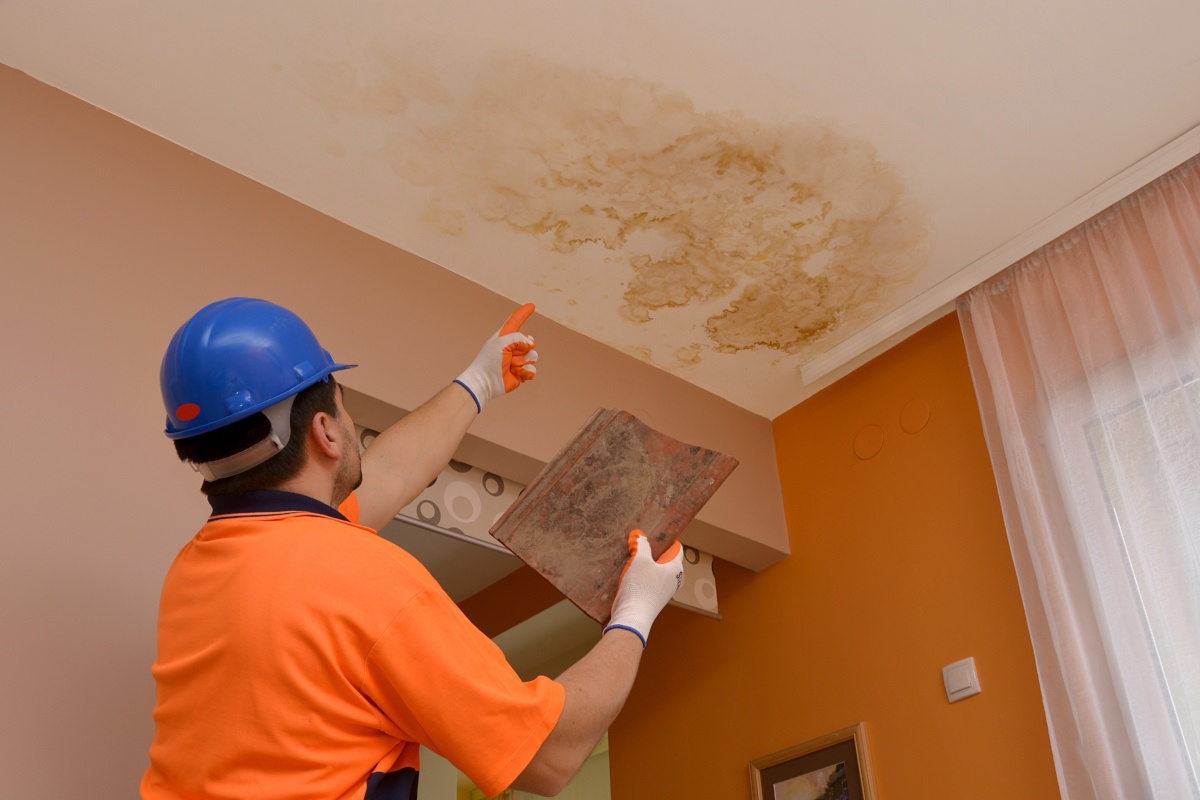
- Stains or discoloration on ceilings or walls
- Peeling paint or bubbling drywall
- Warped baseboards or flooring
- Unexpected increases in indoor humidity
These signs often appear days or weeks after the storm, when moisture has already begun spreading.
Where Water Often Hides After Storm Damage
Water rarely stays where it first enters a structure. It often travels along framing, insulation, and structural surfaces before settling in hidden areas.
Common hidden locations include:
- Attic insulation and roof decking
- Wall cavities behind drywall
- Subfloors beneath carpeting or tile
- Around windows and door frames
- Inside closets or storage areas
Because these areas are concealed, moisture detection tools are often required to locate the full extent of the problem.
Why Visual Inspection Alone Is Not Enough
After a storm, homeowners often perform a quick visual inspection. While this is helpful, it rarely reveals hidden moisture.
Visual inspections may miss:
- Slow leaks behind walls
- Damp insulation
- Small plumbing leaks in pipe cavities
- Moisture trapped beneath flooring
Water leak detection provides a more accurate assessment and helps ensure that no hidden damage is overlooked.
How Professional Water Leak Detection Works
Professional leak detection involves specialized equipment and a systematic inspection process designed to locate moisture accurately.
A typical inspection may include:
Moisture Meter Testing
Meters measure moisture levels in drywall, wood, and flooring to determine whether materials are damp.
Thermal Imaging
Infrared cameras detect temperature differences that may indicate hidden moisture behind walls or ceilings.
Humidity Measurement
Indoor humidity levels are checked to determine whether drying is complete.
Visual Structural Inspection
Attics, crawl spaces, and areas around plumbing fixtures are carefully examined.
Professionals familiar with Brevard County homes, including teams like Palm Bay Mold Removal, often combine these methods to ensure that both visible and hidden moisture is identified.
What Happens After a Leak Is Found
If a leak is detected, the next step is to correct the source and begin drying affected areas. The restoration process typically includes:
- Repairing roofing, plumbing, or exterior damage
- Removing standing water if present
- Using air movers to increase evaporation
- Operating dehumidifiers to reduce moisture in the air
- Monitoring moisture levels until materials return to normal
Proper drying is essential to prevent mold growth and structural deterioration.
Preventing Mold Growth After Storm Leaks
One of the main benefits of early leak detection is mold prevention. Mold thrives in damp environments, especially when moisture remains trapped in porous materials.
Leak detection helps prevent mold by:
- Locating moisture before mold develops
- Ensuring materials are thoroughly dried
- Identifying ventilation problems
- Reducing indoor humidity levels
Early detection often eliminates the need for more extensive remediation later.
The Role of HVAC Systems in Moisture Control
HVAC systems play a significant role in indoor air quality and humidity control. After storm damage, technicians often inspect:
- Air ducts and insulation
- Condensation lines and drain pans
- Filters and vents
- Airflow patterns
Moisture inside duct systems can circulate humid air throughout the home, so maintenance and inspection are important after water intrusion.
Preventive Steps Homeowners Can Take
Homeowners in Satellite Beach can reduce the risk of long-term damage by following several practical steps after storms.
Helpful measures include:
- Inspecting roofs and ceilings after heavy rain
- Checking attics for damp insulation or staining
- Monitoring indoor humidity levels
- Repairing small leaks promptly
- Scheduling moisture inspections when signs of water damage appear
Homes in nearby areas such as Rockledge and Palm Bay often follow similar routines because climate conditions are consistent throughout Brevard County.
Why Local Experience Matters
Water leak detection in coastal Florida requires an understanding of storm patterns, humidity levels, and construction methods common in the region. Drying times and moisture movement differ significantly from those in drier climates.
Professionals familiar with Satellite Beach homes understand:
- Where storm-related leaks most often occur
- How attic heat affects drying
- Which materials are most vulnerable to moisture
- How to prevent recurring water problems
Palm Bay Mold Removal and other experienced local providers often focus on both identifying leaks and correcting underlying moisture issues, helping homeowners achieve lasting results.
A Practical Approach for Homeowners
Storm damage does not always leave obvious signs, but hidden leaks can lead to serious problems if ignored. Water leak detection helps homeowners identify moisture early, repair damage promptly, and prevent mold growth or structural deterioration.
For homeowners in Satellite Beach, scheduling inspections after severe storms, staying alert to early warning signs, and maintaining proper ventilation are the most effective ways to protect a home. With early detection and proper drying, most storm-related water issues can be resolved efficiently and prevented from returning.