How Water Leak Detection Helps Homes in Rockledge in Commercial Buildings
Water damage is one of the most insidious threats to commercial buildings in Rockledge. Unlike residential homes, commercial buildings often house multiple tenants, complex HVAC systems, expensive equipment, and large inventories, making even minor leaks a serious risk. Early detection of leaks is crucial not only to prevent structural damage but also to maintain operational continuity, reduce repair costs, and ensure occupant safety.
This guide provides a comprehensive overview of how water leak detection benefits commercial buildings in Rockledge, detailing common causes, detection methods, restoration steps, associated costs, and preventive strategies for property owners.
Why Water Leak Detection Matters in Commercial Buildings
Commercial properties face unique challenges when it comes to water leaks:
- Protecting Structural Integrity
- Continuous exposure to water can weaken concrete, wood, drywall, and insulation.
- Undetected leaks may lead to sagging ceilings, warped flooring, or foundation issues.
- Preventing Mold and Mildew Growth
- Even small leaks provide moisture that fosters mold, bacteria, and fungi.
- Mold in commercial spaces can compromise indoor air quality and health standards.
- Safeguarding Equipment and Inventory
- Office buildings, warehouses, and retail spaces often contain expensive equipment and stock.
- Water leaks can ruin electronics, furniture, inventory, and documents.
- Ensuring Business Continuity
- Flooded areas may require temporary closure, disrupting operations.
- Quick detection minimizes downtime and operational losses.
- Reducing Long-Term Costs
- Early leak detection prevents major structural and repair expenses.
- Avoids escalating insurance claims and premiums.
Common Causes of Water Leaks in Commercial Buildings
Understanding the causes of leaks helps property managers anticipate problems:
- Plumbing Failures
- Burst pipes, faulty joints, and deteriorated seals are leading sources of leaks.
- Roof Leaks
- Damaged or old roofing materials can allow water to enter ceilings and walls during rainfall.
- HVAC System Condensation
- Air conditioning units, cooling towers, or duct systems can accumulate condensation that leaks into building interiors.
- Sprinkler Systems
- Malfunctioning fire suppression systems may leak or release water accidentally.
- Foundation and Groundwater Issues
- Poor drainage, high water tables, or soil movement can cause basement or ground-level leaks.
- Tenant Activity
- Spills, improper use of water fixtures, or plumbing modifications by tenants can contribute to leaks.
Early Signs of Water Leaks in Commercial Buildings
Property owners and managers should watch for warning signs that indicate potential leaks:
- Unexplained water stains on walls, ceilings, or floors
- Musty or moldy odors in areas with poor ventilation
- Unusually high water bills without explanation
- Damp carpets, flooring, or baseboards
- Sagging ceiling tiles or blistering paint
- Corrosion or rust around pipes, fittings, and HVAC units
Detecting these signs early allows for timely intervention, reducing the risk of extensive damage.
Water Leak Detection Methods for Commercial Buildings
Modern leak detection employs both visual inspections and technology-driven methods:
1. Visual Inspection
- Inspect ceilings, walls, and floors for discoloration, stains, or sagging.
- Check around plumbing fixtures, HVAC systems, and sprinkler connections.
2. Moisture Meters
- Measure moisture content in walls, flooring, and ceilings.
- Identify hidden leaks behind drywall or insulation.
3. Infrared Thermography
- Thermal imaging cameras detect temperature differences caused by moisture.
- Useful for locating leaks in large commercial spaces or behind inaccessible walls.
4. Acoustic Leak Detection
- Specialized sensors pick up sounds of water escaping pressurized pipes.
- Non-invasive and ideal for commercial plumbing networks.
5. Electronic Leak Detection
- Sensors and flow meters monitor water movement through plumbing systems.
- Provides real-time alerts for abnormal water usage or leaks.
6. Pressure Testing
- Isolates sections of plumbing to check for pressure drops indicating leaks.
- Effective for older buildings with aging pipes.
Step-by-Step Approach to Leak Detection and Repair
Professional water leak detection typically follows these steps:
Step 1: Initial Assessment
- Evaluate the building, including plumbing, HVAC, and drainage systems.
- Identify visible water damage and potential high-risk areas.
Step 2: Technology-Based Detection
- Employ moisture meters, thermal imaging, and acoustic sensors to locate hidden leaks.
- Confirm sources of water intrusion before initiating repairs.
Step 3: Containment
- Shut off water supply to affected areas to prevent further damage.
- Isolate the leak zone if possible to minimize operational disruption.
Step 4: Water Extraction and Drying
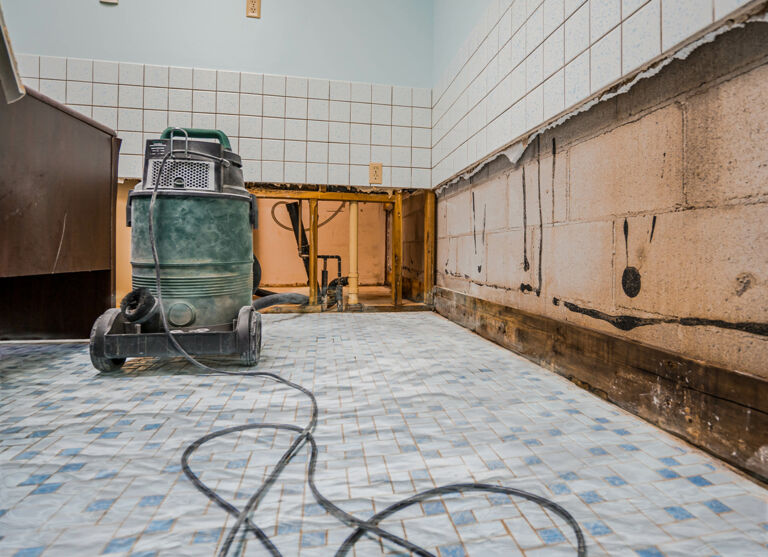
- Remove standing water with pumps or industrial vacuums.
- Use dehumidifiers and air movers to dry the affected structure.
Step 5: Cleaning and Sanitization
- Clean affected areas to prevent mold, mildew, and bacterial growth.
- Treat walls, floors, and HVAC systems if contamination is detected.
Step 6: Structural Repairs
- Repair or replace damaged drywall, flooring, ceilings, or insulation.
- Address plumbing issues, HVAC leaks, or faulty drainage systems.
Step 7: Verification
- Conduct follow-up inspections to confirm the leak is resolved.
- Monitor moisture levels for several days to ensure complete drying.
Professional Tips for Property Owners
- Regular Inspections
- Schedule periodic inspections of plumbing, HVAC, and roofing systems.
- Install Leak Detection Devices
- Sensors and smart water meters alert property managers to leaks immediately.
- Immediate Response
- Address small leaks promptly to prevent mold and structural damage.
- Educate Staff and Tenants
- Ensure occupants report leaks or unusual water behavior quickly.
- Document and Maintain Records
- Keep detailed records of leak incidents and restoration work for insurance and compliance purposes.
- Preventive Maintenance
- Maintain plumbing, HVAC systems, and roof integrity to minimize risk.
- Seal foundations and check drainage systems regularly.
Costs Associated with Water Leak Detection in Commercial Buildings
Costs vary based on the size of the building, complexity of plumbing, and detection method:
- Basic Visual Inspection: $150–$500 per building
- Thermal Imaging or Acoustic Detection: $400–$1,200
- Comprehensive Detection for Large Properties: $1,000–$5,000
- Repairs After Detection: $500–$20,000+, depending on severity and affected systems
Investing in early leak detection often reduces long-term repair costs significantly.
Long-Term Benefits of Professional Water Leak Detection
- Health and Safety
- Reduces mold and bacterial growth that can compromise indoor air quality.
- Structural Integrity
- Prevents long-term damage to floors, walls, ceilings, and foundations.
- Operational Efficiency
- Minimizes business disruption by addressing leaks before significant damage occurs.
- Financial Savings
- Prevents costly repairs, inventory loss, and potential liability claims.
- Regulatory Compliance
- Demonstrates proactive property management in line with building safety standards.
- Tenant Satisfaction
- Maintains a safe, comfortable, and functional environment for tenants and employees.
Preventive Strategies for Property Owners
1. Routine Inspections
- Monthly or quarterly checks of plumbing, HVAC, and roofing systems.
2. Install Water Monitoring Systems
- Smart sensors detect leaks early and send real-time alerts.
3. Maintain Drainage and Gutters
- Ensure proper water flow away from foundations and prevent pooling.
4. Educate Occupants
- Encourage tenants and employees to report leaks, drips, or water stains promptly.
5. Upgrade Plumbing Systems
- Replace old, corroded, or poorly maintained pipes to reduce leak risk.
6. Document and Plan
- Keep maintenance logs and develop an emergency response plan for water-related incidents.
Conclusion
For commercial buildings in Rockledge, water leaks are not merely minor inconveniences—they are serious threats to structural integrity, tenant safety, operational continuity, and financial stability. Professional water leak detection is a proactive strategy that identifies hidden leaks early, prevents mold growth, protects high-value equipment and inventory, and minimizes business disruption.
By employing advanced detection technologies, conducting regular inspections, and implementing preventive maintenance, property owners can protect their investment and ensure commercial properties remain safe, functional, and resilient against water-related damage. Timely action and professional guidance transform water leaks from potentially catastrophic events into manageable maintenance challenges, securing the long-term health of commercial buildings in Rockledge.