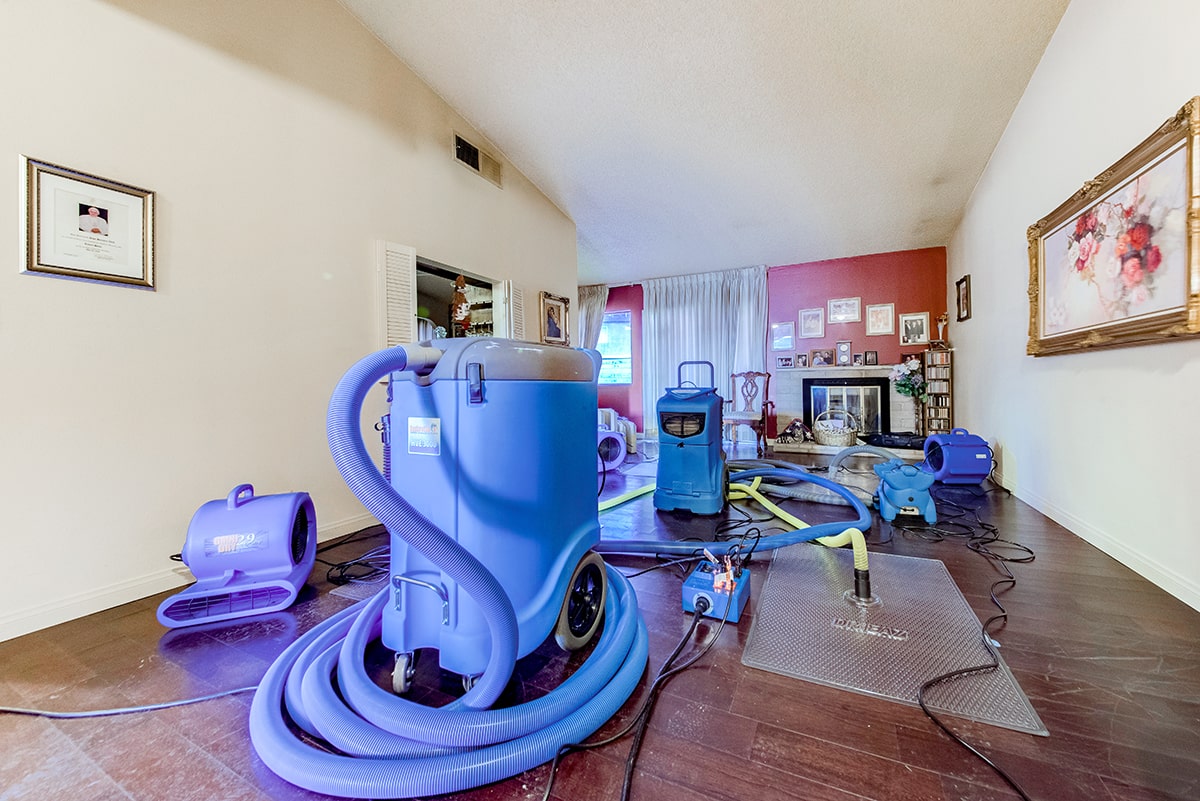
How Water Damage Restoration Helps Homes in Rockledge in Residential Homes
Water damage is something many homeowners in Rockledge eventually face. Sometimes it comes from a sudden plumbing failure or storm intrusion. Other times it develops quietly—from a slow leak under a sink, an AC condensate problem, or roof seepage that goes unnoticed for weeks.
In Brevard County’s humid climate, moisture doesn’t just dry on its own. Without proper restoration, damp materials can lead to structural deterioration, odors, and mold growth. Understanding how water damage restoration works helps homeowners act quickly and avoid long-term problems.
What Water Damage Restoration Really Means
Water damage restoration is more than removing visible water. It is a step-by-step process designed to:
- Remove standing water
- Dry structural materials
- Prevent mold growth
- Restore affected areas safely
In residential homes around Rockledge, restoration often involves drywall, flooring, insulation, cabinetry, and sometimes HVAC components.
Even small leaks can saturate hidden areas, which is why proper drying and inspection matter as much as the initial cleanup.
Why Water Damage Happens Frequently in Rockledge
Rockledge homes face several conditions that increase the risk of water damage:
- Heavy seasonal rains and thunderstorms
- High humidity levels throughout the year
- Aging plumbing in older neighborhoods
- Roof wear from sun exposure and storms
- AC systems running continuously in summer
Homes near the river or low-lying areas may also experience drainage issues after heavy rainfall.
Because moisture levels stay high in Florida, wet materials take longer to dry naturally. That’s why professional drying equipment is often necessary.
Common Signs Homeowners Notice First
Water damage isn’t always obvious at the beginning. Many homeowners first notice small changes such as:
- Musty odors in certain rooms
- Paint bubbling or peeling
- Warped baseboards or trim
- Discoloration on ceilings or walls
- Flooring that feels soft or uneven
These signs often appear days or weeks after the initial moisture intrusion.
Early detection allows restoration to be simpler and less disruptive.
Hidden or Overlooked Sources of Water Damage
In many Rockledge homes, the moisture source isn’t immediately visible. Common hidden causes include:
- Slow leaks inside walls
- Refrigerator or dishwasher supply line leaks
- Roof flashing failures
- Window seal deterioration
- AC drain line clogs
- Duct condensation in humid attics
Water can travel along framing or under flooring before appearing in another location, which makes professional moisture detection important.
Why DIY Cleanup Often Falls Short
It’s natural to want to dry things with fans or towels, especially after a small leak. However, household drying methods rarely reach:
- Moisture inside drywall
- Damp insulation
- Water trapped under flooring
- Humidity absorbed into structural wood
Without proper drying, moisture remains behind surfaces, and problems reappear later as odors, stains, or mold growth.
Professional restoration focuses on removing moisture at the structural level, not just the surface.
Professional Inspection and Moisture Detection
A restoration process usually begins with a thorough inspection. This step identifies:
- Where the water entered
- How far moisture spread
- Which materials are affected
Professionals often use:
- Moisture meters to measure water content in materials
- Thermal imaging to locate hidden moisture
- Humidity readings to evaluate indoor conditions
This information guides the drying and repair plan, preventing unnecessary demolition.
The Water Damage Restoration Process
Restoration typically follows a structured sequence to ensure the home returns to a safe, dry condition.
1. Water Removal
Standing water is extracted using pumps or vacuums to prevent further absorption into materials.
2. Drying and Dehumidification
Air movers and dehumidifiers remove moisture from walls, floors, and the air.
3. Monitoring Moisture Levels
Materials are checked daily to confirm they are drying properly.
4. Removal of Damaged Materials
If drywall, carpet, or insulation cannot be salvaged, it may be removed to prevent mold growth.
5. Cleaning and Sanitizing
Affected areas are cleaned to prevent odors and microbial growth.
6. Repairs and Restoration
Once everything is dry, repairs such as drywall replacement or flooring restoration can begin.
This systematic approach helps prevent recurring issues.
Preventing Mold After Water Damage
Mold growth becomes a risk when moisture remains for extended periods. Restoration helps reduce this risk by drying materials thoroughly and correcting the moisture source.
Homeowners can also help prevent mold by:
- Addressing leaks immediately
- Maintaining proper indoor humidity
- Keeping AC systems serviced
- Inspecting roofs and gutters regularly
Quick action makes a significant difference in Florida’s climate.
Air Ducts and AC Systems: Often Overlooked
In Rockledge homes, HVAC systems frequently play a role in moisture problems.
Issues can include:
- Clogged condensate drain lines
- Dirty or wet evaporator coils
- Poor attic ventilation
- Duct leaks pulling humid air inside
When moisture builds up in ducts or air handlers, it can affect indoor air quality and spread odors through the home.
Air duct cleaning and HVAC adjustments are sometimes necessary parts of restoration.
How Restoration Protects the Structure of the Home
Water damage doesn’t only affect visible surfaces. Over time, moisture can:
- Weaken wood framing
- Cause fasteners to corrode
- Damage subflooring
- Reduce insulation effectiveness
Restoration protects the long-term stability of the home by removing moisture before these issues develop.
This is especially important in older residential homes where materials may already have some wear.
Why Local Experience Matters
Water damage restoration in Brevard County requires understanding local weather patterns, building methods, and humidity levels.
Homes in Rockledge, Palm Bay, Melbourne, Merritt Island, and Satellite Beach often experience similar challenges, but each property has unique airflow, drainage, and structural characteristics.
A local company such as Palm Bay Mold Removal understands how coastal humidity and Florida storms affect homes and how to restore them effectively without unnecessary demolition.
A Practical Next Step for Homeowners
If you notice signs of water damage—stains, odors, warped materials, or recurring dampness—the best step is a professional inspection. Identifying the source early reduces repair costs and prevents mold growth.
Water damage restoration isn’t just about fixing what’s visible. It’s about drying the structure, correcting the cause, and protecting the home so the same issue doesn’t return.
Taking action early keeps small problems manageable and helps maintain the comfort and value of your home.