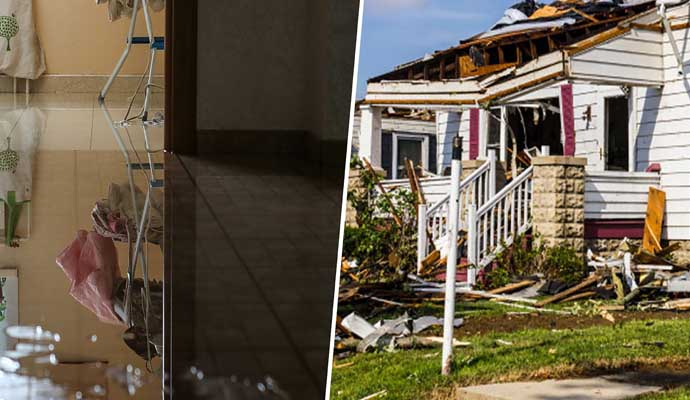
How Water Damage Restoration Helps Homes in Rockledge After Storm Damage
Severe storms are a recurring reality for homeowners in Rockledge. From heavy rain and tropical systems to hurricane-force winds, storm events often leave behind more than visible roof damage and fallen debris. One of the most serious and costly consequences is water intrusion.
While standing water and soaked flooring may seem like the most urgent concerns, the true risk lies in what happens after the storm passes. Water seeps into walls, insulation, subfloors, and structural framing. If not addressed properly, this hidden moisture can lead to mold growth, wood rot, electrical hazards, and long-term structural instability.
Water damage restoration plays a critical role in helping Rockledge homes recover safely and completely after storm damage. This comprehensive guide explains how restoration works, why it’s necessary, and how it protects both your property and your health.
Why Storm Damage in Rockledge Often Leads to Water Intrusion
Rockledge’s coastal climate and storm patterns create several common pathways for water damage:
- Wind-driven rain entering through roof damage
- Overflowing gutters and drainage systems
- Window and door seal failures
- Flooded yards and rising groundwater
- Storm surge and heavy rainfall accumulation
Even small entry points allow significant water infiltration during severe storms. What may appear to be minor surface wetness often conceals deeper saturation within building materials.
The Immediate Impact of Water on a Home
When stormwater enters a property, it begins affecting materials almost immediately:
Within Minutes
- Drywall absorbs water
- Carpet padding becomes saturated
- Wood begins swelling
Within Hours
- Insulation traps moisture
- Laminate floors start buckling
- Electrical components may corrode
Within 24–48 Hours
- Mold spores begin colonizing damp areas
- Odors develop
- Structural materials weaken
This timeline highlights why professional water damage restoration is time-sensitive.
What Is Water Damage Restoration?
Water damage restoration is a structured, multi-step process designed to:
- Remove standing water
- Extract hidden moisture
- Dry structural materials
- Prevent mold growth
- Restore affected areas
It goes far beyond simple water removal. Proper restoration ensures that both visible and hidden damage are addressed.
Step-by-Step: How Water Damage Restoration Helps Rockledge Homes
1. Emergency Assessment and Inspection
Restoration begins with a thorough inspection. Professionals evaluate:
- Extent of water intrusion
- Categories of water contamination
- Affected building materials
- Electrical safety concerns
- Structural integrity
Advanced moisture meters and thermal imaging cameras detect hidden water inside walls and flooring.
Early assessment prevents overlooked damage that could worsen later.
2. Water Extraction
Standing water is removed using industrial-grade pumps and vacuums. Quick extraction:
- Reduces material saturation
- Limits mold growth
- Prevents further structural weakening
The faster water is removed, the greater the chance of saving flooring, drywall, and cabinetry.
3. Removal of Unsalvageable Materials
Some materials cannot be safely restored, including:
- Severely saturated drywall
- Contaminated insulation
- Water-damaged carpet padding
- Swollen particleboard
Removing compromised materials prevents future mold and structural decay.
4. Structural Drying
This is one of the most critical steps.
Industrial air movers and dehumidifiers:
- Pull moisture from framing and subfloors
- Stabilize indoor humidity levels
- Prevent hidden mold growth
In Rockledge’s humid climate, natural air drying is rarely sufficient. Professional equipment ensures thorough drying.
5. Mold Prevention and Antimicrobial Treatment
Even if mold is not yet visible, preventive antimicrobial treatments may be applied to:
- Wall cavities
- Floor framing
- HVAC components
This step reduces the likelihood of mold development in the weeks following restoration.
6. Cleaning and Sanitization
Stormwater may contain:
- Dirt and debris
- Organic contaminants
- Bacteria
Cleaning and sanitizing affected surfaces restores safe indoor conditions.
7. Repairs and Reconstruction
Once drying is complete, restoration professionals:
- Replace drywall and insulation
- Reinstall flooring
- Repair cabinetry
- Repaint affected areas
The goal is to return the home to its pre-storm condition—or better.
How Restoration Protects Structural Integrity
Stormwater can weaken:
- Wooden framing
- Subfloors
- Roof decking
- Support beams
If moisture remains trapped inside wood, it leads to rot and long-term structural damage. Professional drying prevents this deterioration.
Preventing Mold Growth After Storm Damage
Mold thrives in:
- Warm temperatures
- High humidity
- Organic materials like drywall and wood
Rockledge’s climate creates ideal conditions for mold after storms. Water damage restoration interrupts mold growth by:
- Removing moisture quickly
- Drying hidden cavities
- Applying antimicrobial treatments
- Monitoring humidity levels
Without proper restoration, mold remediation may become necessary later—often at a much higher cost.
Health Benefits of Water Damage Restoration
Water damage doesn’t just affect buildings—it impacts people.
Untreated water intrusion can lead to:
- Respiratory irritation
- Allergy flare-ups
- Asthma attacks
- Skin irritation
- Persistent odors
By restoring dry, clean indoor conditions, professional restoration protects family health.
Protecting HVAC Systems After Storm Damage
Water intrusion can contaminate:
- Air handlers
- Ductwork
- Insulation around vents
If HVAC systems are not inspected and cleaned, mold spores can circulate throughout the home. Restoration often includes HVAC evaluation to prevent secondary contamination.
Financial Benefits of Early Restoration
Delaying restoration increases costs due to:
- Expanded mold growth
- Structural wood rot
- Electrical damage
- Flooring replacement
- Prolonged labor
Prompt professional restoration significantly reduces long-term repair expenses.
Insurance and Documentation
Water damage restoration professionals provide:
- Moisture readings
- Photographic evidence
- Detailed reports
- Damage assessments
This documentation is often crucial for insurance claims related to storm damage.
Common Mistakes Homeowners Make After Storm Damage
- Relying solely on fans for drying
- Replacing flooring before materials are fully dry
- Ignoring minor water stains
- Failing to inspect attic spaces
- Restarting HVAC systems without inspection
These mistakes frequently lead to recurring damage and mold problems.
Long-Term Prevention After Restoration
After water damage restoration, homeowners in Rockledge should:
- Inspect roofs regularly
- Maintain gutters and drainage systems
- Seal windows and doors
- Monitor indoor humidity (keep below 55%)
- Schedule annual HVAC maintenance
Proactive maintenance reduces vulnerability to future storms.
Why Local Expertise Matters
Water damage restoration in Rockledge requires understanding:
- Florida’s humidity patterns
- Storm-related water behavior
- Local construction materials
- Coastal corrosion factors
Professionals familiar with the region know how to adapt drying techniques to Florida’s unique climate challenges.
Real-Life Recovery Patterns in Rockledge Homes
Homes that undergo immediate restoration typically:
- Avoid mold outbreaks
- Preserve structural materials
- Return to normal living conditions faster
- Experience lower insurance complications
Homes that delay restoration often face:
- Mold remediation
- Full drywall replacement
- Subfloor damage
- Higher total repair costs
The Emotional Impact of Proper Restoration
Storm damage is stressful. Knowing that hidden moisture has been fully addressed provides peace of mind. Thorough restoration:
- Restores safety
- Improves air quality
- Protects family health
- Preserves property value
It allows homeowners to confidently move forward after a storm event.
Final Thoughts
Storm damage in Rockledge can feel overwhelming, but water damage restoration provides a structured and effective path to recovery. By removing water, drying structural materials, preventing mold, and restoring affected areas, professional restoration protects both your home and your health.
In Florida’s storm-prone climate, water intrusion is often unavoidable—but long-term damage is not. Acting quickly and investing in comprehensive restoration ensures that your home remains safe, structurally sound, and comfortable long after the storm has passed.
When it comes to storm recovery, proper water damage restoration is not just helpful—it is essential.