
How Water Damage Restoration Helps Homes in Rockledge After Plumbing Leaks
Plumbing leaks are among the most common — and most underestimated — causes of property damage in Rockledge. While major flooding events often grab headlines, slow pipe leaks, slab leaks, broken supply lines, and malfunctioning water heaters quietly cause extensive structural and indoor air quality issues inside homes every year.
Located along Florida’s Space Coast near the Indian River Lagoon, Rockledge experiences high humidity levels year-round. When plumbing leaks occur in this environment, moisture lingers longer, accelerating deterioration and increasing the likelihood of mold growth.
Professional water damage restoration services play a critical role in protecting homes after plumbing failures. The process goes far beyond simply drying visible water. It involves technical inspection, moisture mapping, structural drying, sanitation, and preventive measures that ensure long-term stability.
This comprehensive guide explains how water damage restoration helps Rockledge homes recover after plumbing leaks and why immediate professional action makes a significant difference.
Understanding the Hidden Impact of Plumbing Leaks
Not all plumbing leaks cause dramatic flooding. In fact, the most destructive leaks are often slow and concealed.
Common plumbing leak sources include:
- Supply line cracks
- Slab leaks beneath foundations
- Corroded pipes
- Water heater failures
- Dishwasher or washing machine hose ruptures
- Toilet seal leaks
- Shower pan failures
Even a small drip behind drywall can saturate insulation and framing over weeks. In Rockledge’s humid climate, moisture trapped inside walls does not evaporate quickly, creating the perfect environment for mold and material decay.
Early Warning Signs
Homeowners may notice:
- Warped flooring
- Bubbling paint
- Musty odors
- Unexplained increases in water bills
- Discoloration on ceilings
- Soft drywall
Ignoring these early signs allows damage to spread.
tep 1: Emergency Response and Damage Assessment
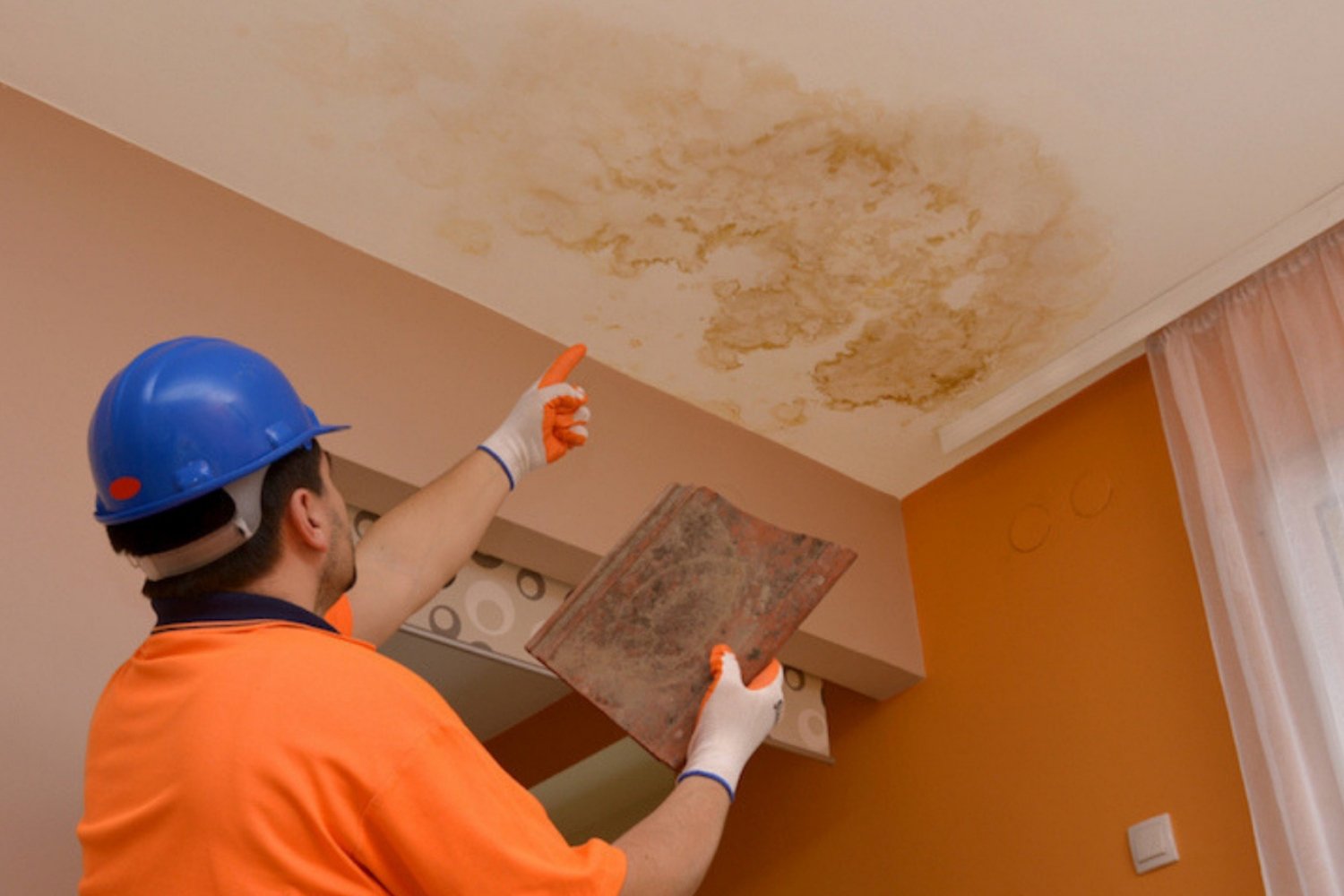
Professional water damage restoration begins with a thorough inspection.
What Technicians Evaluate:
- Source of the plumbing leak
- Extent of water migration
- Moisture levels in walls and flooring
- Potential structural compromise
- Risk of mold development
- HVAC system exposure
Specialized tools such as thermal imaging cameras and moisture meters help detect hidden water pockets that are invisible to the naked eye.
In Rockledge homes, slab leaks are particularly concerning because water can travel beneath flooring and damage structural elements before surfacing.
Step 2: Water Extraction and Removal
If standing water is present, immediate extraction is critical.
High-powered pumps and industrial wet vacuums remove:
- Surface water
- Saturated carpet padding
- Water trapped under flooring
- Accumulated moisture in low-lying areas
Quick extraction reduces:
- Swelling of wood materials
- Delamination of engineered flooring
- Corrosion of metal fixtures
- Mold growth risk
In many plumbing leak cases, homeowners attempt to dry water with household fans. However, this approach does not address hidden moisture within subfloors or insulation.
Step 3: Structural Drying and Dehumidification
After extraction, structural drying begins.
This phase involves:
- Strategic placement of air movers
- Commercial-grade dehumidifiers
- Moisture monitoring systems
- Controlled airflow management
Technicians monitor humidity and internal material moisture daily. In Rockledge’s coastal climate, dehumidification is especially important because outside air often contains significant moisture.
Proper drying prevents:
- Wood rot
- Structural weakening
- Mold colonization
- Persistent odors
Drying may take several days depending on severity.
Step 4: Controlled Demolition and Material Removal
Some materials cannot be salvaged once saturated.
Common removals include:
- Drywall
- Insulation
- Baseboards
- Warped cabinetry
- Laminate flooring
Controlled demolition ensures that:
- Damaged materials do not continue to harbor moisture
- Mold does not develop behind walls
- Restoration rebuilds begin on a clean foundation
This step is done carefully to minimize disruption while eliminating compromised sections.
Step 5: Mold Prevention and Remediation (If Necessary)
Plumbing leaks create ideal mold conditions, especially when unnoticed for days or weeks.
If microbial growth is identified, remediation includes:
- Containment barriers
- HEPA filtration
- Removal of contaminated materials
- Antimicrobial treatment
- Post-remediation testing
Mold spores can spread quickly through HVAC systems, making professional containment essential.
Rockledge’s humid environment increases mold risk compared to drier climates.
Step 6: Cleaning and Sanitization
Water from plumbing leaks is often categorized as “clean water” initially. However, if left untreated, it can become contaminated.
Professional cleaning involves:
- HEPA vacuuming
- Surface sanitization
- Odor neutralization
- Disinfection of affected surfaces
If leaks involve washing machines, dishwashers, or drain lines, contamination levels may be higher.
Sanitization ensures that bacteria and microbial contaminants do not linger in the home.
Step 7: Repair and Reconstruction
After drying and cleaning, restoration moves into rebuilding.
This may include:
- Drywall replacement
- Repainting
- Flooring installation
- Cabinet reconstruction
- Trim and baseboard replacement
The goal is to return the home to pre-loss condition — both structurally and aesthetically.
In Rockledge homes with slab leaks, flooring replacement is common due to moisture migration beneath surfaces.
Structural Benefits of Professional Water Damage Restoration
Water damage restoration does more than improve appearance. It protects structural integrity.
Without Proper Restoration:
- Wood framing may rot
- Subfloors weaken
- Foundations shift due to prolonged moisture
- Insulation loses thermal efficiency
- Metal components corrode
Professional drying stabilizes the building envelope and prevents long-term deterioration.
Health Benefits for Occupants
Untreated plumbing leaks can negatively impact indoor air quality.
Potential health symptoms include:
- Respiratory irritation
- Increased allergies
- Persistent cough
- Sinus congestion
- Headaches
- Worsened asthma
Mold and microbial contamination are common contributors.
Proper restoration reduces airborne particles and maintains healthier indoor conditions.
Insurance and Documentation Support
Professional restoration companies provide:
- Moisture readings
- Photo documentation
- Detailed reports
- Damage categorization
This documentation assists homeowners during insurance claims.
Prompt reporting and mitigation also reduce the likelihood of denied claims due to neglect.
Why Plumbing Leaks Are Especially Problematic in Rockledge
Several local factors contribute to higher risk:
- High humidity levels
- Older homes with aging pipes
- Slab foundation construction
- Seasonal heavy rainfall
- Air conditioning systems running year-round
When plumbing leaks occur in humid environments, drying takes longer, and mold risk increases significantly.
Early professional intervention is critical.
Long-Term Prevention Strategies
After restoration, homeowners can reduce future risk by:
- Scheduling annual plumbing inspections
- Replacing old supply lines
- Monitoring water pressure
- Installing leak detection sensors
- Insulating exposed pipes
- Checking water heater condition regularly
Early detection systems can shut off water automatically when leaks occur, minimizing damage.
The Cost of Delayed Action
Ignoring plumbing leaks can lead to:
- Extensive structural repairs
- Mold remediation expenses
- Flooring replacement
- Insurance complications
- Reduced property value
What begins as a minor drip can escalate into thousands of dollars in damage.
Water damage restoration prevents small issues from becoming major reconstruction projects.
Conclusion
Water damage restoration plays a crucial role in protecting homes in Rockledge after plumbing leaks. From initial inspection and water extraction to structural drying, mold prevention, and reconstruction, each step ensures that hidden moisture is eliminated and long-term damage is avoided.
In a coastal Florida environment where humidity remains high and moisture lingers, professional restoration is not merely cosmetic — it is structural protection and health preservation.
Plumbing leaks may start small, but their consequences can be significant. With timely intervention and comprehensive restoration, Rockledge homeowners can safeguard their property, maintain indoor air quality, and restore peace of mind after unexpected water damage.