
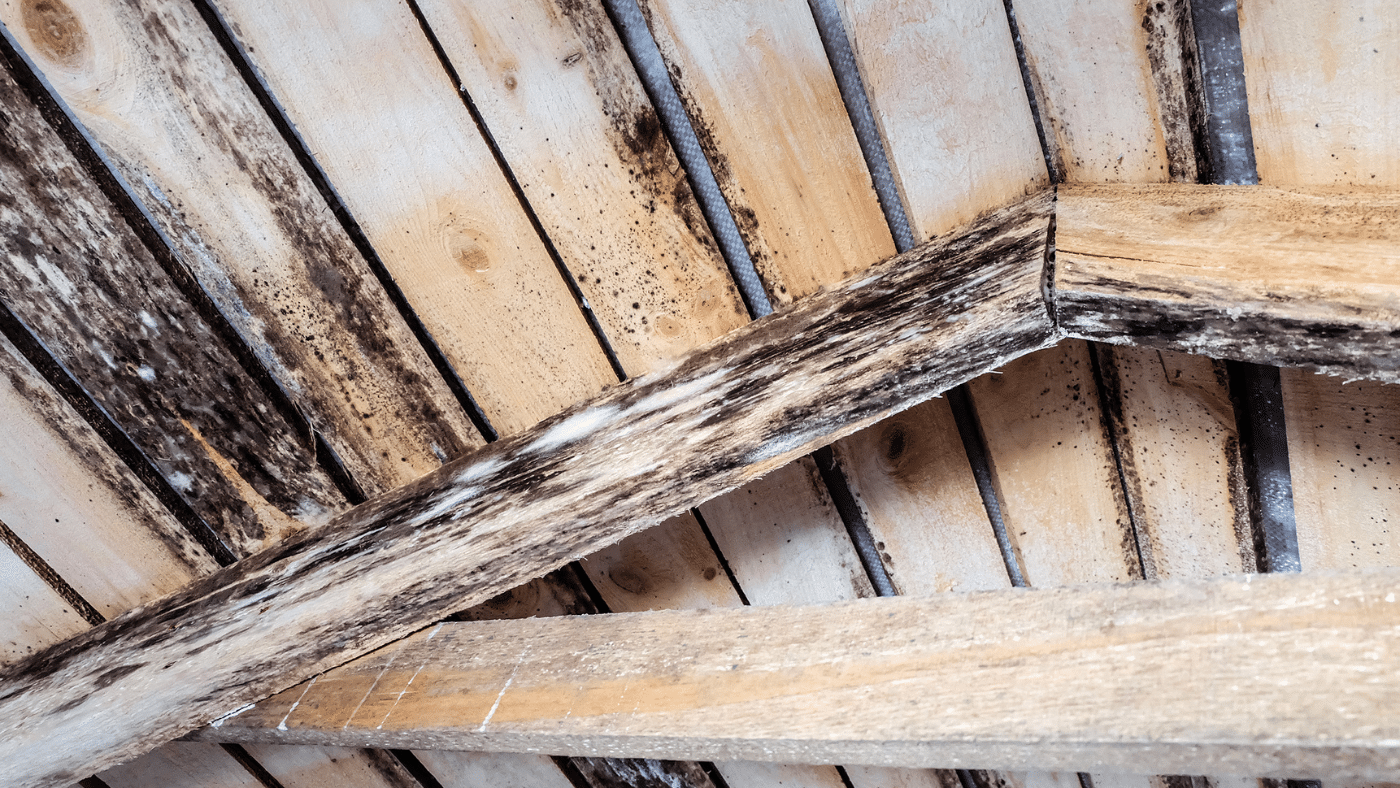
How to Prevent Future Damage: Mold Removal in Viera in Coastal Homes
Living in Viera offers many advantages — well-planned neighborhoods, newer construction, and proximity to Florida’s coastline. But even in modern coastal homes, mold can become a problem when moisture is not properly managed. High humidity, heavy rains, and long cooling seasons create ideal conditions for hidden dampness.
Mold removal in Viera coastal homes is not just about cleaning visible spots on drywall. It’s about correcting the moisture source, stabilizing humidity, and preventing the same issue from returning months later.
If mold has already appeared in your home, removal is only half the solution. Preventing future damage is where long-term protection truly begins.
Why Coastal Conditions Increase Mold Risk in Viera
Although Viera is slightly inland compared to barrier island communities, it still experiences:
High year-round humidity
Frequent summer storms
Wind-driven rain
Long AC operating cycles
Warm attic temperatures
Coastal air carries moisture constantly. Even without flooding, humid air can condense on cooler surfaces like ductwork, attic framing, and drywall.
Homes in nearby Rockledge and Suntree face similar environmental conditions. However, differences in roof design, insulation type, and ventilation systems influence how moisture behaves inside each home.
When moisture remains trapped for more than 24 to 48 hours, mold can begin to develop.
Common Causes of Mold in Viera Coastal Homes
Preventing future damage starts with understanding what caused mold in the first place.
Common contributors include:
Roof leaks after storms
Poor attic ventilation
AC condensation overflow
Clogged condensate drain lines
Slab moisture migration
Minor plumbing leaks
Improper bathroom exhaust ventilation
In many cases, mold is the symptom — not the root problem.
Professional mold removal must address both contamination and moisture source.
The Mold Removal Process
Step 1: Identify and Correct the Moisture Source
Before removal begins, moisture must be fully controlled.
This may involve:
Repairing roof flashing
Clearing AC drain lines
Replacing damaged insulation
Sealing window gaps
Improving attic airflow
Without moisture correction, mold will return.
Palm Bay Mold Removal typically begins Viera mold projects with moisture detection to confirm source resolution before remediation.
Step 2: Containment
Containment prevents particles from spreading to unaffected areas.
Plastic barriers isolate affected rooms.
Negative air machines maintain controlled airflow.
HEPA filtration captures airborne particles during removal.
Containment protects the rest of the home.
Step 3: Removal of Contaminated Materials
Porous materials that cannot be cleaned may require removal.
This can include:
Drywall
Insulation
Carpet padding
Baseboards
Selective removal limits reconstruction scope.
Leaving contaminated materials increases recurrence risk.
Step 4: Cleaning and Surface Treatment
Structural components are cleaned using:
HEPA vacuuming
Targeted cleaning methods
Surface wiping of framing
The goal is to remove growth while preserving structural integrity whenever possible.
Step 5: Controlled Drying
Drying ensures moisture levels are stabilized before rebuilding begins.
This includes:
Commercial dehumidifiers
Air movers
Humidity monitoring
Indoor humidity should remain below 60 percent.
Moisture readings confirm stability.
How to Prevent Future Mold Damage
Removal alone does not prevent recurrence. Prevention requires proactive adjustments.
Improve Attic Ventilation
Ensure soffit and ridge vents are unobstructed.
Proper airflow reduces condensation on roof decking.
Attic humidity should not remain elevated for extended periods.
Maintain HVAC Systems
Regularly:
Replace air filters
Flush condensate drain lines
Inspect drain pans
Check airflow balance
AC systems run most of the year in Viera. Maintenance prevents condensation buildup.
Monitor Indoor Humidity
Use a digital hygrometer.
Keep indoor humidity below 60 percent.
If humidity remains high, consider dehumidifiers during peak summer months.
Inspect Roof and Exterior Annually
Coastal storms stress roofing materials.
Small flashing gaps or lifted shingles can allow water intrusion.
Early repair prevents hidden attic moisture.
Address Minor Leaks Immediately
Even small plumbing leaks can create localized mold growth.
Quick repair and drying reduce contamination risk.
Why Prevention Is More Affordable Than Repeated Removal
Recurring mold issues increase:
Material replacement costs
Labor expenses
HVAC cleaning needs
Indoor air instability
Preventative maintenance costs far less than repeated remediation.
Moisture management is the key to long-term stability in coastal homes.
Slab and Foundation Considerations
Many Viera homes sit on concrete slab foundations.
Moisture may migrate upward if ground saturation increases after heavy rain.
Professional moisture detection confirms whether flooring and lower walls remain dry.
Installing flooring over damp slabs can lead to recurring problems.
Verification prevents repeat damage.
The Importance of Local Experience
Viera homes range from newer planned developments to custom coastal-style properties.
Florida’s humidity creates moisture behavior different from inland regions.
Professionals familiar with Brevard County construction understand attic ventilation systems, slab foundations, and HVAC layouts common in Viera neighborhoods.
Palm Bay Mold Removal has worked extensively throughout Viera and surrounding communities, addressing mold removal challenges specific to Florida’s coastal climate.
Protecting Your Coastal Investment
Mold removal in Viera coastal homes must focus on long-term prevention, not just cleanup. Correcting moisture sources, stabilizing humidity, improving ventilation, and maintaining HVAC systems all work together to prevent recurrence.
Ignoring minor signs such as musty odors or ceiling stains increases the likelihood of repeated remediation.
By combining proper removal techniques, moisture detection, ventilation upgrades, and routine maintenance, homeowners can protect their properties effectively.
In Florida’s humid coastal environment, prevention remains the most reliable strategy for avoiding future mold damage.