How Mold Testing Helps Homes in West Melbourne in Older Homes
Older homes in West Melbourne have a charm that appeals to many homeowners, but they also come with unique challenges—especially when it comes to moisture and mold. Aging plumbing, outdated insulation, and prolonged exposure to humidity make these homes particularly vulnerable to mold growth, which can affect both structural integrity and indoor air quality.
Professional mold testing is a critical tool for older home owners to detect hidden contamination, prevent health issues, and plan targeted remediation. This guide explores why older homes are at risk, how mold testing works, warning signs, and the benefits of testing.
Why Older Homes Are More Susceptible to Mold
- Aging Plumbing and Roofing
- Old pipes may leak, and roofing materials can degrade over time, allowing water intrusion.
- Outdated Ventilation Systems
- Older HVAC systems may not circulate air efficiently, trapping moisture in attics, crawlspaces, or bathrooms.
- Worn Seals and Caulking
- Windows, doors, and fixtures may have deteriorated seals that allow moisture to seep in.
- Structural Porosity
- Wood, drywall, and plaster in older homes absorb moisture more readily than modern building materials.
- Long-Term Water Damage
- Past flooding or leaks may have created hidden damp spots that foster mold growth over time.
- Humidity
- West Melbourne’s humid climate increases the risk of moisture accumulation, especially in older homes without modern moisture barriers.
Common Warning Signs of Mold in Older Homes
Early detection is essential to avoid widespread damage. Homeowners should watch for:
- Musty Odors
- Often noticeable in basements, attics, or closets.
- Visible Mold
- Black, green, or white spots on walls, ceilings, flooring, or around windows.
- Stains or Discoloration
- Yellow or brown water stains on ceilings and walls.
- Warped Wood or Flooring
- Moisture can cause hardwood floors, baseboards, or wooden trim to warp.
- Peeling Paint or Bubbling Wallpaper
- Indicates trapped moisture behind surfaces.
- Health Symptoms
- Allergies, asthma flare-ups, coughing, or sinus irritation among residents.
Step-by-Step Mold Testing Process in Older Homes
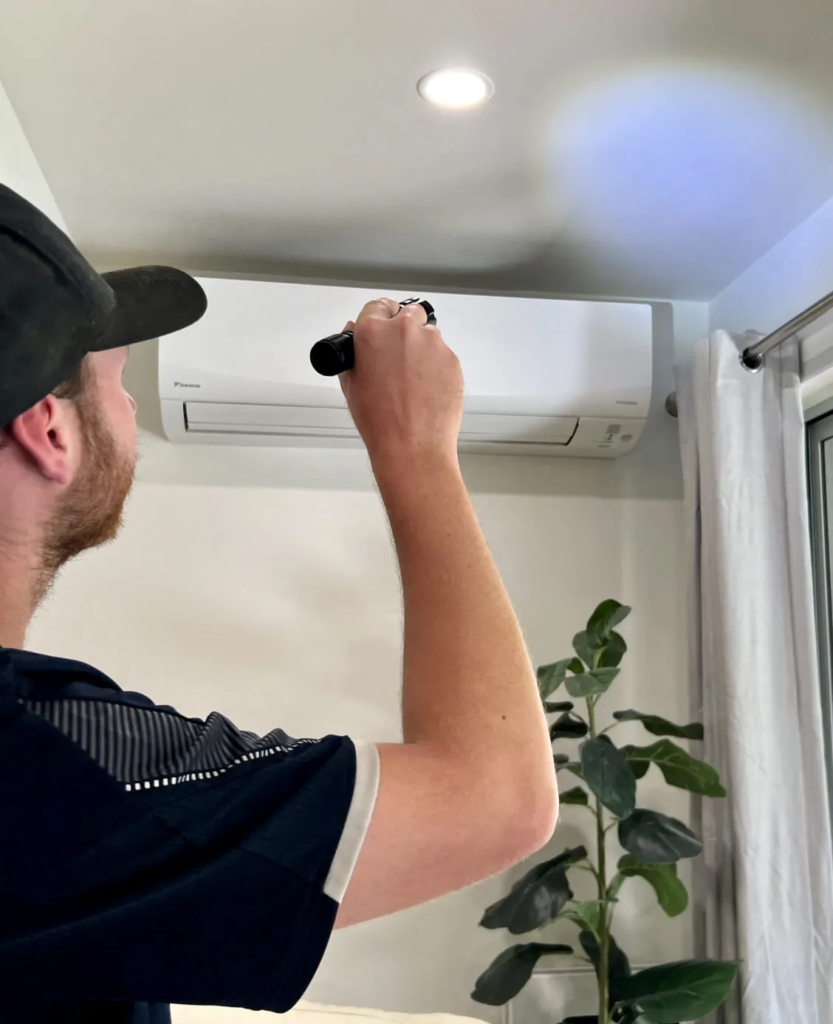
Step 1: Visual Inspection
- Technicians inspect walls, ceilings, attics, crawlspaces, HVAC systems, and basements for visible mold or water damage.
Step 2: Moisture Assessment
- Use moisture meters and thermal imaging cameras to identify hidden damp spots in walls, flooring, and ceilings.
Step 3: Air Sampling
- Air samples measure the concentration of mold spores in indoor air.
- Comparing indoor and outdoor levels helps determine abnormal contamination.
Step 4: Surface Sampling
- Swabs, tape lifts, or bulk samples are collected from suspect surfaces to identify mold species.
Step 5: Laboratory Analysis
- Samples are analyzed for type and quantity of mold.
- High-risk species like Stachybotrys chartarum (black mold) may require specialized remediation.
Step 6: Reporting
- Homeowners receive a detailed report including mold species, affected areas, and recommended remediation steps.
Step 7: Remediation Planning
- Based on testing results, remediation may include cleaning, material replacement, HVAC system cleaning, and moisture prevention.
Benefits of Mold Testing in Older Homes
- Early Detection
- Identifies hidden mold before it spreads, minimizing structural damage.
- Health Protection
- Reduces exposure to allergens, asthma triggers, and harmful spores.
- Property Preservation
- Protects wooden structures, insulation, and HVAC systems.
- Informed Remediation
- Helps contractors target affected areas without unnecessary demolition.
- Peace of Mind
- Confirms the safety and habitability of older homes.
- Cost Savings
- Early detection prevents expensive full-scale remediation and structural repairs.
Preventive Measures for Older Homes
- Regular HVAC Maintenance
- Clean ducts, replace filters, and check for leaks or moisture accumulation.
- Seal Leaks and Gaps
- Repair deteriorated windows, doors, and roof areas.
- Control Indoor Humidity
- Use dehumidifiers to maintain humidity below 60%.
- Monitor Plumbing
- Inspect old pipes and water heaters regularly for leaks.
- Routine Mold Inspections
- Schedule periodic professional mold testing, especially after storms or heavy rainfall.
- Mold-Resistant Upgrades
- Consider mold-resistant drywall, insulation, or paint during renovations.
Costs of Mold Testing in West Melbourne
- Visual Inspection: $150–$300 per home
- Air and Surface Sampling: $200–$600 per room
- Comprehensive Testing with Lab Analysis: $500–$1,500+
Although there is a cost associated with testing, investing in professional mold testing is far less expensive than addressing widespread mold damage or health issues later.
Conclusion
Older homes in West Melbourne are particularly prone to mold due to age-related plumbing issues, poor ventilation, and exposure to humidity. Professional mold testing allows homeowners to detect hidden mold, assess contamination levels, and plan effective remediation.
By recognizing warning signs, implementing preventive strategies, and conducting routine testing, homeowners can protect both their health and property value, ensuring older homes remain safe, habitable, and structurally sound. Mold testing is not just a precaution—it is an essential part of responsible homeownership in older properties.