
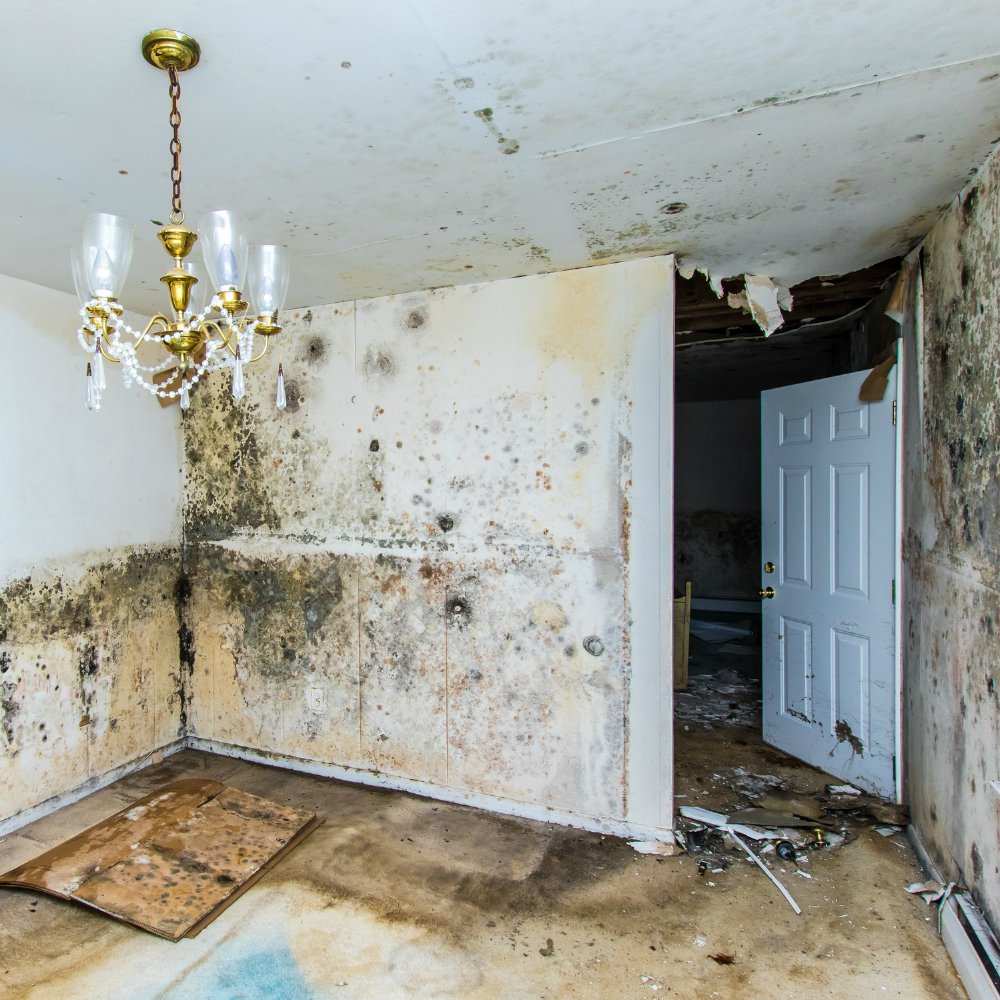
How Mold Testing Helps Homes in West Melbourne after Storm Damage
Storms are a familiar part of life in West Melbourne and throughout Brevard County. Heavy rains, tropical storms, and hurricanes often leave behind visible damage such as fallen trees, roof leaks, and flooded rooms. However, one of the most serious issues often appears after the cleanup seems complete — mold growth.
Storm-related moisture frequently remains hidden inside homes long after visible water dries. Without proper testing and inspection, mold can grow unnoticed behind walls, under flooring, or inside HVAC systems. Mold testing plays a crucial role in identifying these hidden problems before they spread.
For homeowners in West Melbourne, understanding how mold testing works after storm damage can help protect both property and indoor living conditions.
What Happens Inside Homes After Storm Damage
Storm damage allows moisture to enter homes in many ways. Roof shingles can lift, windows may leak, or water can enter through doors and walls during heavy rainfall.
Even if flooding is minor, water often soaks into:
• Drywall and insulation
• Flooring and subfloors
• Wall cavities
• Ceiling materials
• Cabinets and baseboards
• HVAC ducts and systems
When moisture remains trapped, mold spores already present indoors begin growing rapidly, especially in Florida’s warm climate. Growth can begin within 24 to 48 hours if materials remain damp.
The challenge is that much of this moisture remains hidden, making mold testing essential.
Why Storm Damage Leads to Mold Problems in West Melbourne
Homes across West Melbourne, Palm Bay, Rockledge, and surrounding communities face mold risks after storms due to several environmental conditions.
Local factors include:
• High year-round humidity slowing drying
• Heavy seasonal rainstorms
• Flood-prone neighborhoods
• Slab foundations trapping moisture
• Attic installations prone to leaks
• Older ventilation systems
Nearby areas such as Satellite Beach, Cocoa Beach, and Merritt Island also experience coastal humidity, which further delays drying after storms.
Even homes with minor leaks can develop mold if moisture remains trapped.
Signs Mold May Be Present After Storm Damage
Storm-related mold problems do not always appear immediately. Homeowners often notice symptoms days or weeks later.
Common warning signs include:
• Musty odors inside rooms or closets
• Dark spots appearing on ceilings or walls
• Peeling or bubbling paint
• Warped flooring or persistent dampness
• Increased indoor allergy irritation
• Condensation or moisture around vents
Because mold often grows behind surfaces, visible signs usually indicate hidden growth elsewhere.
Hidden Locations Mold Commonly Grows After Storms
Mold frequently develops in areas homeowners rarely inspect after storms.
Common hidden mold areas include:
• Behind drywall after roof leaks
• Inside attic insulation
• Beneath flooring and carpets
• Inside HVAC duct systems
• Crawl spaces with poor ventilation
• Behind cabinets exposed to water
Even small amounts of storm intrusion can lead to hidden mold growth over time.
Why Mold Testing Is Important After Storm Damage
After storm cleanup, many homeowners assume drying fans or open windows resolved moisture issues. However, mold may still grow in hidden areas.
Mold testing helps by:
• Confirming whether mold growth is present
• Identifying hidden contamination areas
• Measuring indoor mold spore levels
• Determining if cleanup efforts were effective
• Guiding proper remediation steps
Testing prevents unnecessary demolition while ensuring contaminated areas are properly addressed.
How Professional Mold Testing Works
Professional mold testing involves several inspection techniques designed to detect both visible and hidden mold issues.
Common testing methods include:
• Air sampling to measure airborne mold spores
• Surface sampling in suspected areas
• Moisture meter readings in walls and floors
• Thermal imaging to detect hidden dampness
• Visual inspection of high-risk areas
These tools help determine whether mold exists and how far contamination has spread.
Testing also compares indoor and outdoor air samples to understand whether mold levels are elevated inside the home.
What Happens After Mold Testing Confirms a Problem
If mold testing reveals contamination, professionals typically recommend remediation steps based on severity.
The process often includes:
Step 1: Identifying Moisture Sources
Leaks or damp areas must be corrected first to prevent mold from returning.
Step 2: Containment Setup
Affected areas are sealed to prevent spores from spreading during cleanup.
Step 3: Removal of Contaminated Materials
Damaged drywall, insulation, or flooring may require removal.
Step 4: Cleaning and Treatment
Remaining surfaces are professionally cleaned and treated.
Step 5: Drying and Dehumidification
Drying equipment removes remaining moisture from structural materials.
Step 6: Post-Remediation Testing
Follow-up testing confirms successful cleanup.
Flood Restoration and Mold Testing Connection
Many homes affected by storms also experience flooding, increasing mold risks. Even after water removal, moisture may remain in hidden materials.
Restoration projects often include:
• Water extraction
• Structural drying
• Mold remediation
• Material replacement
• Air duct cleaning
Testing ensures flood restoration efforts fully addressed contamination risks.
HVAC Systems and Mold Spread After Storms
Storm damage frequently affects HVAC systems when moisture enters ductwork or air handlers. Mold inside ducts spreads spores throughout homes whenever the AC runs.
Signs HVAC systems may be affected include:
• Musty smells when cooling begins
• Dust buildup around vents
• Uneven airflow
• Persistent humidity indoors
Mold testing often includes inspection around duct systems to prevent contamination from spreading.
Preventing Mold After Storm Damage
Homeowners in West Melbourne can reduce future mold risks by taking preventive action after storms.
Recommended steps include:
• Inspecting roofs and windows after storms
• Repairing leaks immediately
• Drying affected areas quickly
• Using dehumidifiers during humid periods
• Maintaining HVAC systems regularly
• Improving ventilation in attics and crawl spaces
Early action helps prevent mold from becoming a larger problem.
Why Local Experience Matters in Mold Testing
Storm damage patterns vary by region and home construction style. Professionals familiar with West Melbourne and surrounding Brevard County communities understand how moisture spreads in local homes.
Local experience helps inspectors identify common moisture trouble spots and recommend solutions suited to Florida’s climate.
Homeowners often rely on experienced providers such as Palm Bay Mold Removal because local familiarity helps ensure accurate inspections and effective remediation strategies without unnecessary disruption.
Acting Early Protects Homes After Storms
Storm recovery involves more than cleaning visible damage. Hidden moisture and mold growth can continue affecting homes long after repairs appear complete.
Scheduling mold testing after storm damage helps ensure hidden contamination is discovered early, protecting both property and indoor air quality. Proper inspection and remediation restore safe living conditions while preventing long-term structural problems.
Addressing mold risks promptly helps homeowners in West Melbourne keep their homes safe, dry, and comfortable after storm season passes.