
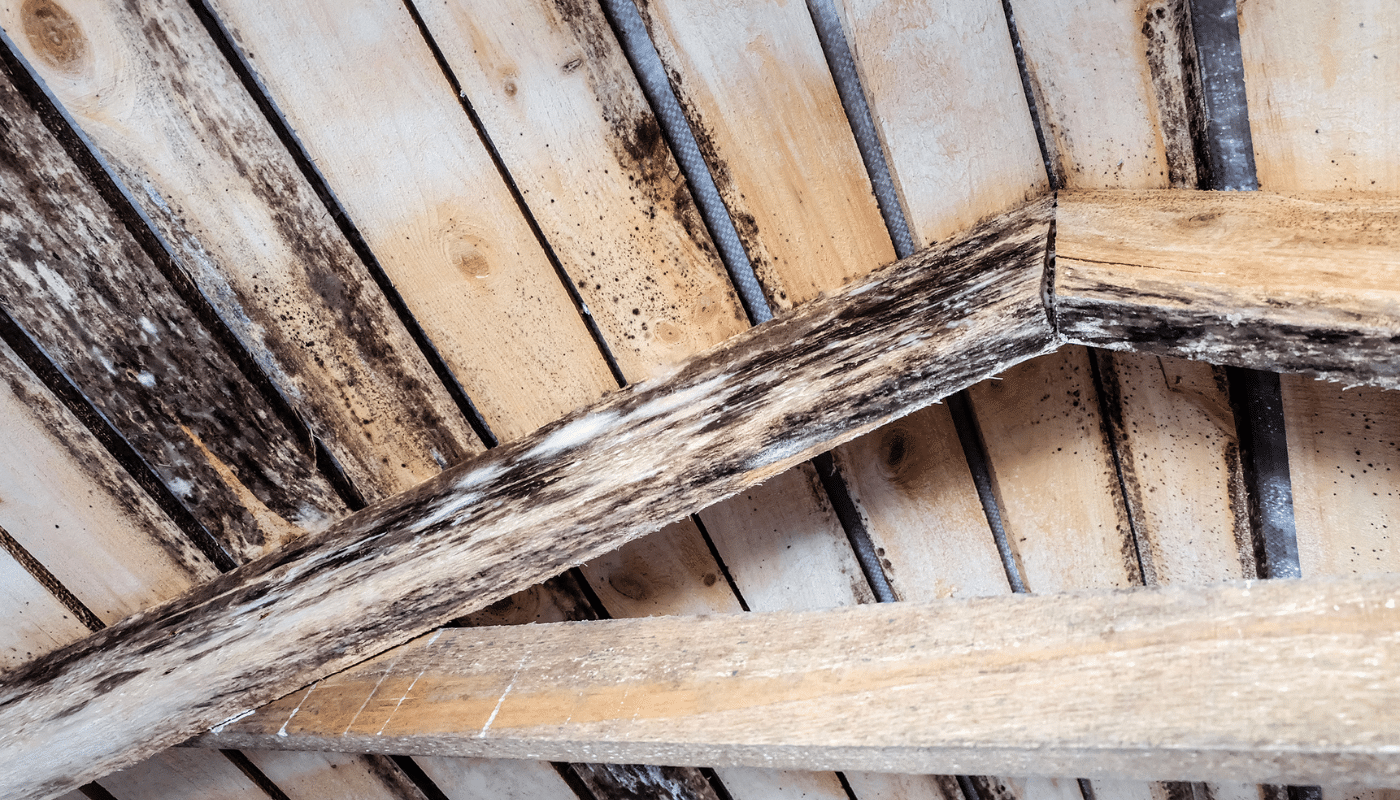
How Mold Testing Helps Homes in Satellite Beach in Residential Homes
Satellite Beach homes live under constant moisture pressure. Between Atlantic storms, salty coastal air, year-round humidity, and heavy AC use, moisture finds ways into walls, attics, and duct systems more often than most homeowners realize.
Visible mold is not always the first sign of a problem. In many cases, the only clue is a persistent musty odor, rising indoor humidity, or allergy-like irritation that appears when the AC turns on. That’s where mold testing becomes valuable.
Mold testing in Satellite Beach residential homes helps confirm whether contamination is active, identify where moisture is contributing to growth, and guide proper next steps. It provides clarity instead of guesswork — especially in Florida’s coastal environment where moisture issues are common.
Why Mold Concerns Are Common in Satellite Beach
Satellite Beach sits directly on Florida’s east coast. That means:
High year-round humidity
Wind-driven rain during storms
Salt air exposure
Frequent AC operation
Attic heat buildup
Even homes without visible water intrusion can experience condensation problems inside attics, ducts, and wall cavities.
Common contributing factors include:
Clogged AC condensate lines
Roof flashing leaks
Poor attic ventilation
Window seal failures
Slab foundation moisture migration
Homes in nearby Indian Harbour Beach and Cocoa Beach face similar coastal exposure, but each property’s ventilation design and maintenance history affect mold risk differently.
What Mold Testing Actually Does
Mold testing does not replace inspection. It supports it.
Testing helps:
Confirm whether mold is present
Identify elevated spore levels
Determine whether indoor air differs from outdoor air
Support decisions about remediation
In Satellite Beach homes, testing is often requested when homeowners notice odors but cannot find visible growth.
It provides measurable information instead of assumptions.
Palm Bay Mold Removal frequently incorporates mold testing after moisture detection to help Satellite Beach homeowners understand the scope of contamination before taking further action.
Situations Where Mold Testing Is Helpful
Testing is particularly useful when:
Musty odors persist without visible mold
There was past water damage
A roof leak was recently repaired
AC condensation issues occurred
Homebuyers want reassurance before purchase
Tenants report air quality concerns
Testing can also provide peace of mind when moisture has been corrected but homeowners want confirmation that indoor conditions are stable.
Step-by-Step Mold Testing Process
Step 1: Initial Visual Inspection
Testing begins with a structured inspection.
Professionals look for:
Water staining
Peeling paint
Soft drywall
Damp insulation
Condensation around vents
Visible spotting
Bathrooms, kitchens, laundry areas, and HVAC closets are evaluated carefully.
Attics are especially important in coastal homes.
Step 2: Moisture Detection
Before collecting samples, moisture levels are checked.
Moisture meters identify active dampness in:
Drywall
Framing
Subfloors
Ceilings
If materials remain wet, addressing the moisture source becomes the priority.
Testing without correcting moisture does not solve the root issue.
Step 3: Air Sampling
Air samples are collected indoors and compared to outdoor control samples.
This helps determine:
If indoor spore levels are elevated
If certain mold types are present
If the indoor environment differs significantly from outdoor air
Air sampling is especially helpful when growth is hidden behind walls.
Step 4: Surface Sampling
If visible discoloration is present, surface samples may be taken.
This helps identify the type of mold present.
While color alone does not confirm mold type, testing clarifies whether the staining is mold or another surface issue.
Step 5: Laboratory Analysis
Samples are analyzed by a laboratory.
Results typically include:
Spore counts
Mold categories identified
Comparison between indoor and outdoor samples
These results guide next steps.
Not every elevated reading requires full remediation, but it provides a clearer direction.
How Mold Testing Prevents Larger Damage
Early testing can prevent:
Unnecessary demolition
Missed hidden contamination
Repeated mold recurrence
Improper cleaning attempts
If testing confirms elevated levels, targeted remediation can begin before structural damage spreads.
If testing shows normal conditions, homeowners avoid unnecessary work.
Clear information saves time and expense.
Mold Testing After Storm Events
Satellite Beach frequently experiences heavy coastal storms.
Even if visible flooding does not occur, wind-driven rain may enter attic spaces or wall cavities.
Testing after storm damage helps confirm whether moisture intrusion led to contamination.
Roof leaks are particularly common after hurricanes.
Testing provides confirmation before rebuilding begins.
HVAC and Duct Considerations
AC systems play a major role in coastal moisture behavior.
If mold is suspected, HVAC inspection should include:
Drain line evaluation
Drain pan inspection
Duct insulation condition
Airflow balance
If ducts contain contamination, cleaning may be recommended after remediation.
Proper airflow reduces condensation and future mold risk.
Preventing Mold After Testing
Whether testing confirms contamination or not, prevention remains critical.
Maintain indoor humidity below 60 percent.
Flush AC condensate lines regularly.
Replace HVAC filters every 1–3 months.
Inspect roofing annually.
Seal windows and sliding doors.
Check attic ventilation.
Routine inspection reduces long-term moisture buildup.
Why Local Experience Matters
Satellite Beach homes are exposed to unique coastal conditions.
Salt air accelerates material wear. Storm winds push rain into small gaps. Attic heat combined with cool duct surfaces creates condensation patterns.
Professionals familiar with Brevard County construction understand how coastal weather interacts with slab foundations, attic layouts, and HVAC systems in Satellite Beach neighborhoods.
Palm Bay Mold Removal has worked extensively throughout Satellite Beach and surrounding communities, addressing moisture and mold concerns specific to Florida’s coastal climate.
Protecting Your Coastal Home
Mold testing in Satellite Beach residential homes provides clarity in a humid, storm-prone environment.
Instead of guessing, homeowners gain measurable information about indoor air conditions and potential contamination.
Combined with moisture detection, proper drainage maintenance, and humidity control, mold testing becomes a powerful preventative tool.
In Florida’s coastal climate, early detection and proactive maintenance remain the most effective ways to protect residential properties from long-term mold damage.