How Mold Testing Helps Homes in Satellite Beach in Commercial Buildings
Commercial buildings in Satellite Beach face unique challenges when it comes to moisture control and indoor air quality. Coastal humidity, salt air, frequent storms, and year-round air-conditioning use all contribute to conditions where mold can develop if moisture is not properly managed. In offices, retail spaces, and multi-unit residential buildings, mold problems can affect both the structure and the people who use the space every day.
Mold testing plays an important role in identifying hidden issues early, confirming the presence of mold, and helping property owners decide what steps are necessary to protect their buildings.
Why Mold Can Develop in Commercial Buildings
Commercial buildings often have larger HVAC systems, more complex ventilation layouts, and higher occupancy levels than single-family homes. These factors increase the chances of moisture buildup in certain areas.
Mold commonly develops in places such as:
- Ceiling cavities and drop ceilings
- HVAC ducts and air handlers
- Behind walls near plumbing lines
- Carpeted office spaces affected by leaks
- Storage rooms with limited ventilation
Because many of these areas are hidden from daily view, mold may spread before being noticed.
Why Satellite Beach Buildings Are Especially Vulnerable
Satellite Beach is located along the coast, and the environment plays a major role in mold risks. Warm temperatures and high humidity create ideal conditions for moisture to remain in building materials.
Several local factors increase mold risk:
- Salt air accelerating material wear
- High humidity levels throughout much of the year
- Frequent heavy rains and tropical storms
- Air-conditioning systems running continuously
- Wind-driven rain entering small openings
Commercial properties in nearby areas such as Melbourne, Indian Harbour Beach, and Palm Bay often experience similar conditions, particularly during summer and hurricane season.
What Mold Testing Actually Does
Mold testing is the process of determining whether mold is present, identifying the type of mold, and locating the source of moisture that allows it to grow. Testing helps confirm whether discoloration or odors are truly caused by mold or by other environmental factors.
Mold testing helps:
- Identify hidden mold growth
- Confirm moisture problems
- Evaluate indoor air quality
- Determine the extent of contamination
- Guide remediation decisions
This information allows building owners and managers to take targeted, effective action.
Early Signs That Mold Testing May Be Needed
In commercial buildings, mold problems often begin with subtle warning signs. Property managers and maintenance staff should watch for indicators that testing may be necessary.
Common warning signs include:
- Musty or damp odors
- Dark spots on ceilings or walls
- Increased indoor humidity
- Stains near vents or ceiling tiles
- Frequent HVAC condensation issues
These signs often indicate moisture problems that may not yet be visible.
Hidden Areas Where Mold Often Develops
Some of the most serious mold problems occur in areas that are rarely inspected.
Common hidden locations include:
- Inside ductwork and air handlers
- Beneath carpeting or flooring
- Behind drywall near plumbing lines
- Inside attic insulation
- Storage rooms and mechanical spaces
Because mold in these areas may not be visible, testing and inspection are often necessary to identify the problem early.
How Mold Testing Is Performed
Professional mold testing involves several steps to gather accurate information about conditions inside the building.
Typical testing methods include:
- Air sampling to detect airborne spores
- Surface sampling of suspected areas
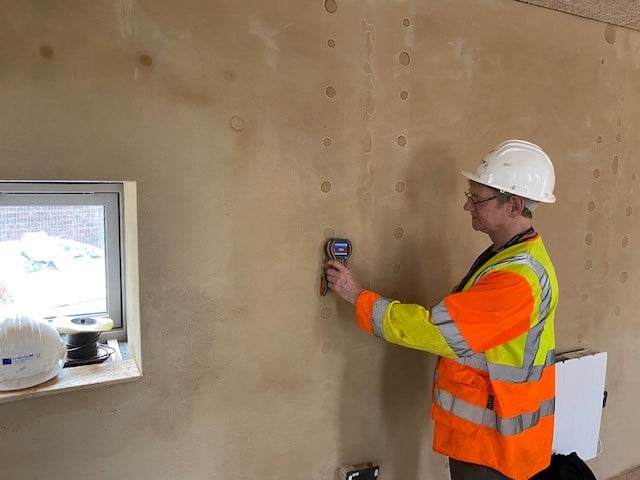
- Moisture measurements in walls and ceilings
- Inspection of HVAC systems and ventilation
Technicians may also evaluate humidity levels and airflow patterns to identify conditions that contribute to mold growth.
Professionals familiar with local conditions, such as teams working with Palm Bay Mold Removal, often focus on identifying moisture sources first, since mold cannot grow without moisture.
How Mold Testing Helps Prevent Larger Problems
Early detection allows building owners to correct moisture issues before mold spreads widely. This can significantly reduce repair costs and prevent damage to building materials.
Mold testing helps by:
- Locating problems early
- Identifying areas requiring drying or repair
- Preventing contamination from spreading
- Protecting indoor air quality
In commercial buildings, early action also helps minimize disruptions to operations.
Mold Remediation and Restoration After Testing
If mold is confirmed, remediation may be recommended to remove contamination and correct moisture problems.
The remediation process often includes:
- Containing affected areas
- Air filtration to capture spores
- Removing contaminated materials when necessary
- Cleaning and treating surfaces
- Drying and dehumidifying the structure
Proper remediation ensures that mold is removed safely and that conditions preventing regrowth are restored.
Water Damage and Moisture Sources in Commercial Buildings
Mold often develops after water intrusion. In commercial properties, moisture may originate from several sources.
Common causes include:
- Roof leaks after storms
- Plumbing failures
- HVAC condensation
- Window or façade leaks
- Flooding from heavy rainfall
Buildings in Merritt Island and Rockledge sometimes require similar restoration after storms or plumbing issues.
HVAC Systems and Mold Spread
HVAC systems play a major role in mold growth and air quality. When moisture accumulates in ducts or air handlers, spores can circulate throughout the building.
Common HVAC-related causes include:
- Clogged condensate drains
- Wet duct insulation
- Dirty evaporator coils
- Restricted airflow
Routine maintenance and inspections help reduce these risks.
Costs: What Influences Mold Testing Expenses
Mold testing costs vary depending on several factors. Understanding these factors helps property owners plan effectively.
Key factors include:
- Size of the building
- Number of areas tested
- Accessibility of ducts or ceilings
- Type of sampling required
Testing is often a small investment compared to the cost of widespread mold remediation or structural repairs.
How Property Owners Can Reduce Mold Risks
Preventive maintenance is one of the most effective ways to reduce mold problems in commercial buildings.
Helpful steps include:
- Inspect roofs and drainage systems regularly
- Maintain HVAC equipment
- Monitor indoor humidity levels
- Repair leaks promptly
- Schedule periodic inspections
These steps help keep moisture levels under control and prevent mold growth.
Why Local Experience Matters
Commercial buildings in Satellite Beach face environmental conditions that differ from inland regions. Coastal humidity, salt air, and frequent storms all affect how moisture behaves inside structures.
Professionals familiar with Brevard County understand:
- Common moisture entry points
- Typical ventilation challenges
- Seasonal weather patterns
This knowledge often leads to faster inspections and more effective solutions.
A Practical Next Step for Building Owners
Mold problems rarely improve on their own, but early testing makes them much easier to manage. Paying attention to warning signs and scheduling inspections when needed helps protect both the structure and indoor air quality.
Mold testing provides valuable information that allows property owners to take the right steps at the right time. In coastal environments like Satellite Beach, proactive inspections and moisture control remain the most reliable ways to protect commercial buildings and maintain comfortable indoor conditions.