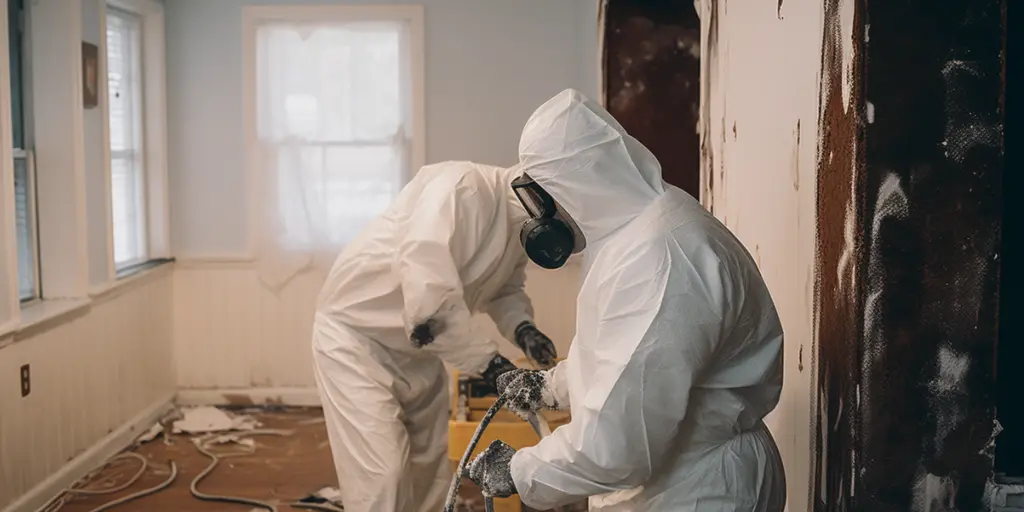
How Mold Removal Helps Homes in Titusville After Water Damage
Water damage is one of the most common triggers for mold growth in homes across Titusville. Whether the cause is a roof leak, plumbing failure, storm flooding, or air-conditioning issues, moisture that remains trapped in building materials creates ideal conditions for mold to develop. In Florida’s humid climate, mold can begin forming in a matter of days if materials are not thoroughly dried.
Mold removal is an essential part of restoring a home after water damage. It not only removes existing mold but also helps prevent long-term structural issues, odors, and recurring moisture problems. Understanding how mold removal works and why it matters can help homeowners protect their property and maintain a healthy indoor environment.
What Happens After Water Damage
When water enters a home, it spreads quickly through porous materials such as drywall, insulation, carpeting, and wood framing. Even after visible water is removed, moisture often remains hidden behind walls, beneath flooring, or inside attic spaces.
If moisture is not completely eliminated, several problems may occur:
- Mold growth on walls, ceilings, or insulation
- Persistent musty odors
- Warping or weakening of structural materials
- Damage to flooring and trim
- Reduced indoor air quality
In Titusville homes, high humidity can slow the drying process, allowing moisture to remain longer than expected.
Why Mold Growth Is Common in Titusville Homes
Homes in Titusville and nearby areas such as Merritt Island, Cocoa, and Viera face environmental conditions that increase the likelihood of mold after water damage.
High humidity year-round
Warm coastal air contains moisture, which slows evaporation and drying.
Frequent storms and heavy rainfall
Seasonal storms often lead to roof leaks or water intrusion.
Attic heat and condensation
Warm air rises, trapping moisture in attic insulation and roof decking.
Continuous air-conditioning use
AC systems remove humidity but may also create condensation if drainage or insulation problems occur.
These conditions make prompt mold inspection and removal especially important after any water damage event.
Early Signs Mold May Be Developing
Mold problems often begin quietly, and homeowners may notice subtle warning signs before visible growth appears.
Common early signs include:
- Musty or earthy odors
- Discoloration or staining on ceilings or walls
- Peeling paint or bubbling drywall
- Warped baseboards or flooring
- Persistent humidity indoors
Even minor signs can indicate hidden moisture, which is why inspections are recommended after leaks or flooding.
Hidden Areas Where Mold Often Develops
One of the biggest challenges after water damage is that mold frequently forms in areas that are not easy to see. Moisture may travel beyond the visible wet area and collect in:
- Wall cavities behind drywall
- Carpet padding and subfloors
- Attic insulation and roof decking
- Around air ducts and vents
- Inside closets or storage areas
In many Titusville homes, attic spaces are particularly vulnerable because warm air and humidity slow drying.
Why DIY Mold Removal Usually Falls Short
Homeowners sometimes attempt to clean mold with household cleaners or bleach. While this may remove surface staining, it rarely addresses the underlying problem.
DIY methods often fail because:
- Moisture sources remain unresolved
- Mold roots penetrate porous materials
- Hidden mold behind walls is not treated
- Improper cleaning can spread spores
Effective mold removal requires identifying and correcting the source of moisture while thoroughly cleaning affected materials.
Professional Mold Inspection and Testing
Before mold removal begins, a professional inspection is often recommended to determine the extent of moisture and mold growth.
A thorough inspection typically includes:
Moisture detection
Meters and thermal imaging tools locate damp areas behind walls, ceilings, and flooring.
Visual and structural inspection
Attics, crawl spaces, and areas near previous leaks are carefully examined.
Humidity measurement
Indoor humidity levels are evaluated to determine whether conditions support mold growth.
Air or surface sampling (when needed)
Testing may confirm mold presence and help assess severity.
Professionals familiar with Brevard County homes understand how humidity and coastal weather affect drying times. Companies such as Palm Bay Mold Removal often perform detailed inspections to ensure hidden moisture is identified before remediation begins.
The Mold Removal and Remediation Process
Proper mold removal follows a structured process designed to remove mold safely and prevent recurrence.
Typical steps include:
Containment
Affected areas are isolated to prevent spores from spreading to other parts of the home.
Removal of contaminated materials
Severely affected drywall, insulation, or carpeting may be removed.
Cleaning and treatment
Structural surfaces are cleaned using methods designed to remove mold growth thoroughly.
Drying and dehumidification
Air movers and dehumidifiers reduce moisture levels in affected areas.
Final verification
Moisture readings confirm that conditions no longer support mold growth.
This process helps ensure long-term results and reduces the likelihood of mold returning.
Water Damage Repair and Restoration
Mold removal is often combined with repairs to materials affected by water damage. Restoration may include:
- Replacing damaged drywall or insulation
- Repairing ceilings or flooring
- Drying framing and subfloors
- Sealing leaks and improving drainage
Addressing both mold and structural damage helps restore the home fully and prevent recurring issues.
HVAC Systems, Air Ducts, and Mold
Water damage can also affect HVAC systems. Moisture inside ducts or around air handlers may circulate humid air throughout the home, slowing drying and affecting indoor air quality.
Technicians often inspect:
- Duct insulation
- Air filters and vents
- Condensation lines
- Air handlers and drain pans
Periodic air duct cleaning and HVAC maintenance help reduce moisture buildup and improve airflow.
How Mold Removal Helps Prevent Future Problems
One of the biggest benefits of professional mold removal is prevention. Removing mold and correcting moisture sources helps:
- Protect structural materials from deterioration
- Reduce the risk of recurring mold growth
- Improve indoor air quality
- Maintain consistent humidity levels
- Extend the lifespan of building materials
Early action after water damage often prevents more extensive repairs later.
Practical Steps to Prevent Mold After Water Damage
Homeowners in Titusville can reduce the risk of mold by taking several preventive steps:
- Repair leaks promptly
- Inspect roofs after storms
- Keep indoor humidity below 60%
- Use dehumidifiers during humid months
- Ensure attic ventilation is adequate
- Schedule moisture inspections after flooding or leaks
Homes in nearby communities like Rockledge and Satellite Beach often follow similar maintenance routines because regional climate conditions are consistent.
Why Local Experience Matters
Mold removal in coastal Florida requires an understanding of how humidity, storms, and construction methods interact. Drying times and moisture behavior differ significantly from those in drier climates.
Professionals familiar with Titusville homes understand:
- Where moisture is most likely to accumulate
- How attic heat affects drying
- Which materials are most vulnerable
- How to prevent recurring mold problems
Palm Bay Mold Removal and other experienced local providers focus on identifying both mold and the moisture source, helping homeowners achieve lasting results.
A Practical Approach for Homeowners
Water damage does not always lead to mold, but it often does when moisture is not completely removed. Acting quickly after leaks or flooding—drying affected areas, scheduling inspections, and addressing humidity—can prevent small issues from becoming major repairs.
For homeowners in Titusville, staying alert to early warning signs and maintaining proper moisture control are the most effective ways to protect a home. With timely mold removal and proper restoration, most water-damage-related mold problems can be resolved efficiently and prevented from returning.