
How Mold Removal Helps Homes in Melbourne after Flooding
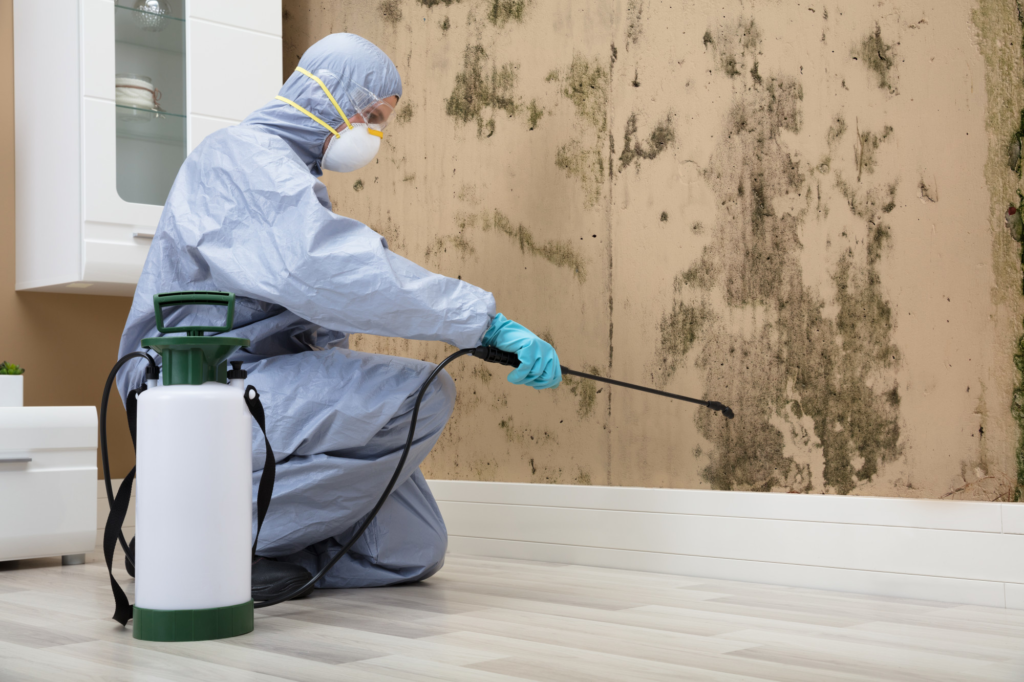
Flooding is one of the most disruptive problems homeowners in Melbourne and across Brevard County face. Whether caused by heavy seasonal rain, tropical storms, plumbing failures, or storm surge in nearby coastal areas, floodwater often leaves behind more than visible water damage. One of the most serious long-term risks is mold growth.
Many homeowners focus on cleaning up standing water and repairing visible damage but overlook moisture trapped in walls, floors, insulation, and HVAC systems. Within days, mold begins growing in these hidden spaces. Proper mold removal plays a crucial role in helping homes recover fully after flooding.
Understanding how mold develops and how professional remediation restores homes helps property owners protect their investments and maintain safe indoor conditions.
What Happens Inside a Home After Flooding
When flooding occurs, water doesn’t just soak floors. It moves quickly into building materials and hidden spaces, including:
• Drywall and insulation
• Subflooring and wood framing
• Cabinets and built-in furniture
• Air conditioning systems and ductwork
• Crawl spaces and attics
Even after water appears to be gone, moisture remains trapped inside materials. Florida’s warm climate then creates the perfect environment for mold to grow rapidly.
Floodwater also carries contaminants that increase damage and make cleanup more complicated.
Why Flood-Related Mold Is So Common in Melbourne
Homes in Melbourne, Palm Bay, West Melbourne, and nearby communities experience mold issues after flooding more often than homes in many other parts of the country.
Several factors contribute to this:
• High year-round humidity
• Frequent heavy rainfall
• Tropical storms and hurricanes
• Low elevation in some neighborhoods
• Older homes with outdated drainage systems
• Constant AC use creating condensation
Homes near Merritt Island, Satellite Beach, and Cocoa Beach often face repeated moisture exposure, increasing mold risk if water intrusion isn’t handled quickly.
Once materials stay wet for more than a day or two, mold spores begin colonizing surfaces.
Signs Mold Is Developing After Flooding
Mold growth often begins in areas homeowners cannot see. However, several warning signs usually appear within weeks after flooding.
Common signs include:
• Musty or damp indoor odors
• Dark or green spotting on walls and ceilings
• Bubbling or peeling paint
• Warped flooring
• Persistent humidity indoors
• Allergy-like irritation indoors
• Discoloration around baseboards or wall edges
By the time visible mold appears, growth often already exists inside walls or under flooring.
Hidden Mold Problems After Flood Events
Professional inspections in Melbourne homes frequently uncover mold in unexpected locations following floods.
Typical hidden mold zones include:
• Behind drywall below flood waterlines
• Under carpeting and padding
• Inside kitchen and bathroom cabinets
• Beneath wood or laminate flooring
• Inside insulation
• Crawl spaces holding moisture
• Air ducts exposed to humidity
Floodwater spreads widely, and moisture remains long after surfaces look dry.
Why Quick Mold Removal Is Critical
Delaying mold removal after flooding can lead to several problems.
Unchecked mold can:
• Damage structural materials
• Cause strong indoor odors
• Lead to expensive repairs later
• Spread through HVAC systems
• Lower property value
• Create long-term indoor air quality issues
The longer mold remains, the more building materials may require replacement instead of cleaning.
Early professional intervention helps limit damage and restoration costs.
Why DIY Cleanup Often Falls Short
Homeowners often attempt to clean mold themselves after flooding using bleach or household cleaners. While this may improve surface appearance temporarily, it rarely resolves the actual problem.
DIY mold removal usually fails because:
• Mold roots remain inside porous materials
• Cleaning spreads spores to new areas
• Hidden moisture goes untreated
• Contaminated materials remain in place
• Improper drying encourages regrowth
True remediation focuses on moisture removal and safe material treatment or replacement.
Professional Mold Inspection and Assessment
After flooding, professional mold removal begins with a detailed inspection.
Technicians examine:
• Flood-affected walls and floors
• Moisture levels in materials
• HVAC and duct systems
• Crawl spaces and attics
• Cabinets and concealed structures
Moisture detection tools help locate hidden wet zones that must be dried or removed before mold can be controlled.
Testing may also be recommended in cases of widespread contamination or persistent odor issues.
Step-by-Step Mold Removal Process After Flooding
Professional remediation follows a structured process to ensure mold does not return.
Containment Setup
Affected areas are isolated to prevent spores from spreading to clean parts of the home.
Air Filtration Installation
HEPA filtration equipment captures airborne mold particles during removal.
Removal of Damaged Materials
Flood-damaged drywall, insulation, and other porous materials are safely removed if they cannot be salvaged.
Cleaning and Treatment
Remaining surfaces are professionally cleaned and treated to eliminate mold residue.
Structural Drying
Industrial dehumidifiers and air movers remove moisture from framing and structural materials.
Final Inspection
Technicians confirm moisture levels are safe before reconstruction or cosmetic repairs begin.
This thorough approach prevents future mold recurrence.
Role of Water Damage Repair and Flood Restoration
Mold removal works together with flood restoration efforts.
Flood restoration services typically include:
• Water extraction
• Drying and dehumidification
• Carpet and flooring removal
• Sanitizing surfaces
• Structural repairs
Without proper drying, mold quickly redevelops even after cleanup.
Homes across Viera and Rockledge often require both flood restoration and mold remediation after heavy rainfall events.
HVAC Systems and Mold After Flooding
Flooding and excess humidity often impact HVAC systems, creating mold growth inside ductwork or air handlers.
Common HVAC issues include:
• Wet insulation inside ducts
• Condensation buildup
• Mold inside air handlers
• Blocked drainage lines
If duct contamination remains, spores circulate throughout the home, undoing remediation efforts.
Professional duct inspection and cleaning often play an important role after flooding.
Preventing Mold Problems After Flood Recovery
While floods cannot always be avoided, homeowners can reduce mold risks by acting quickly.
Helpful prevention steps include:
• Removing standing water immediately
• Drying materials within 24–48 hours
• Using dehumidifiers after flooding
• Repairing leaks quickly
• Inspecting crawl spaces and attics
• Maintaining proper AC drainage
Routine post-storm inspections help identify problems early.
Why Local Experience Makes a Difference
Homes in Melbourne and surrounding Brevard County communities have unique construction styles and environmental challenges.
Professionals familiar with local homes understand:
• How Florida humidity impacts structures
• Common water intrusion patterns
• Coastal climate influences
• AC moisture behavior in local homes
Companies like Palm Bay Mold Removal often assist homeowners throughout Melbourne and nearby areas because they understand how regional conditions affect mold growth and recovery after flooding.
Restoring Peace of Mind After Flood Damage
Flooding is stressful, but mold problems don’t have to become long-term issues. With proper inspection, removal, and drying, homes can be safely restored.
Acting promptly after flooding protects both property value and indoor comfort. Professional mold removal ensures hidden moisture and contamination are fully addressed so families can return to safe, dry living conditions.
Taking careful steps after flood events allows Melbourne homeowners to recover faster and prevent future mold problems from developing.