How Mold Remediation Helps Homes in Viera after Hurricanes
Hurricane season is something every homeowner in Viera understands well. Even when homes avoid major structural damage, the days and weeks after a storm often bring a quieter problem—lingering moisture trapped in walls, ceilings, flooring, and HVAC systems. That hidden dampness is exactly what allows mold to begin developing.
Mold remediation plays an important role in restoring homes after hurricanes. It is not just about removing visible mold; it is about identifying moisture sources, stabilizing the indoor environment, and preventing long-term structural damage. For homeowners and property managers in Viera and nearby communities like Melbourne, Rockledge, and Palm Bay, understanding how this process works helps prevent small issues from becoming major repairs.
What Mold Problems Look Like After Hurricanes
After a hurricane, mold problems often begin in ways that are not immediately obvious. Floodwater, roof leaks, wind-driven rain, and extended humidity all contribute to elevated moisture levels indoors.
In many homes, mold growth begins in:
- Drywall that absorbed moisture
- Baseboards and flooring near exterior walls
- Attic insulation exposed to roof leaks
- Air ducts and air handler compartments
- Closets or rooms with limited ventilation
Even when surfaces appear dry, building materials can retain moisture for days or weeks. That trapped moisture creates the conditions mold needs to grow.
Why Hurricanes Increase Mold Risk in Viera
Several local factors make hurricane-related mold issues especially common in Viera and surrounding Brevard County neighborhoods.
Extended humidity after storms
After heavy rains, outdoor humidity often remains high for long periods. Homes that were closed up during storms may trap this moisture indoors.
Power outages and AC downtime
Air conditioning systems remove humidity from indoor air. When power outages occur, moisture levels can rise quickly inside homes.
Wind-driven rain intrusion
Hurricanes can force water through roof vents, soffits, window frames, and door seals. Even small amounts of water entering wall cavities can lead to mold growth later.
Saturated ground and drainage issues
After heavy rainfall, moisture can migrate into homes through foundations or slab edges, especially in low-lying areas.
Delayed drying
Many homeowners focus first on visible damage, but moisture hidden inside walls or ceilings can remain long after cleanup appears complete.
Common Signs Homeowners Notice
Mold problems after hurricanes often appear gradually. Some of the most common signs include:
- Musty or damp odors indoors
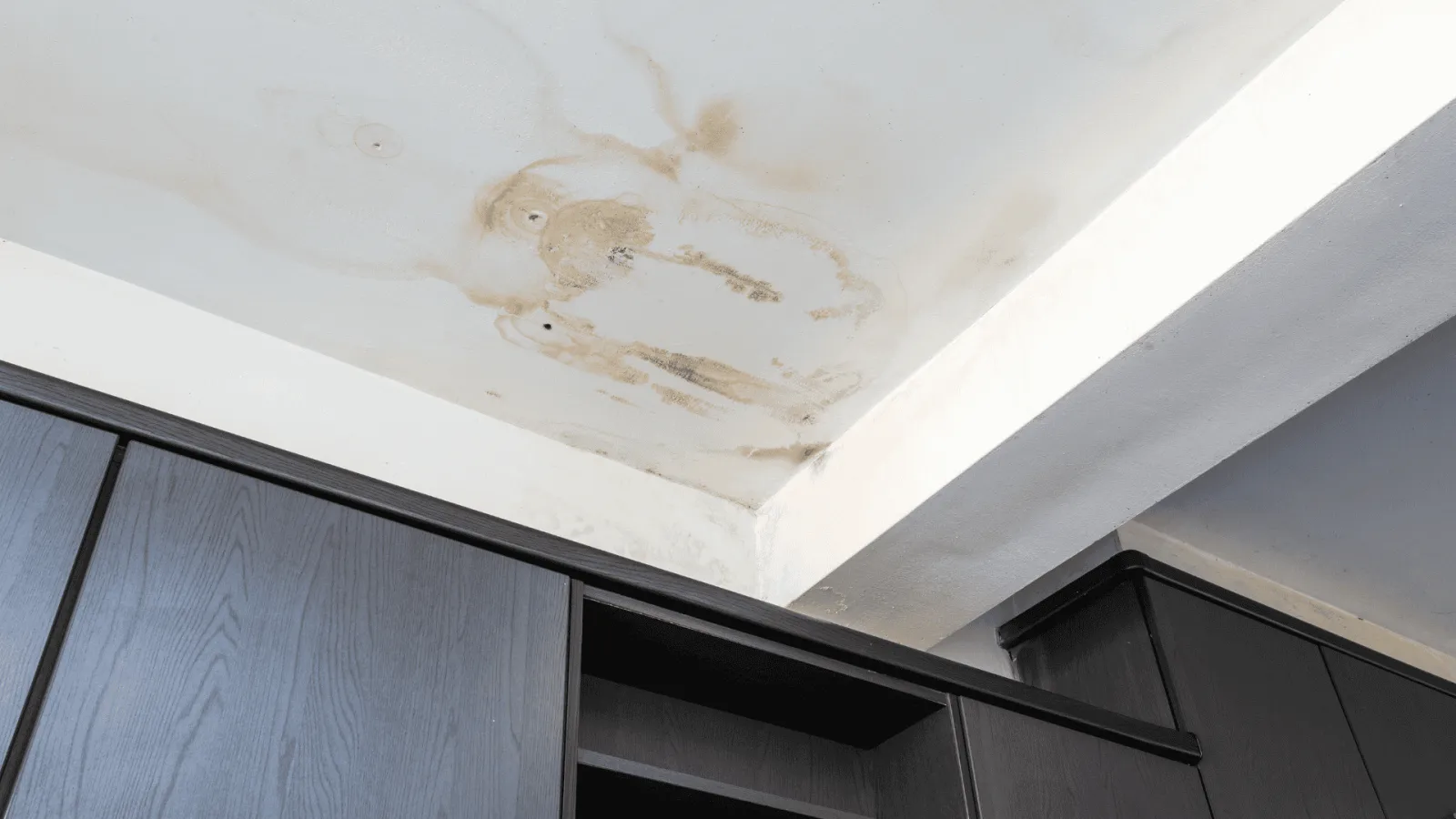
- Dark spots forming on walls or ceilings
- Warped baseboards or swollen door frames
- Persistent humidity indoors
- Increased dust or irritation from indoor air
- Discoloration around vents or registers
These signs don’t always appear immediately. In some cases, mold begins developing weeks after the storm.
Hidden or Overlooked Sources of Moisture
One of the biggest challenges after hurricanes is identifying moisture that cannot be seen.
Some of the most overlooked areas include:
Wall cavities
Water entering through small exterior openings may soak insulation and drywall from the inside.
Attic spaces
Roof leaks often dampen insulation without leaving obvious ceiling stains at first.
HVAC systems
Ductwork and air handlers can collect moisture when humidity levels spike or systems shut down during outages.
Under flooring
Water may seep beneath laminate, vinyl, or tile, where it remains trapped.
Crawl spaces or garages
Moisture accumulation in these areas can raise humidity levels throughout the home.
Professional moisture detection is often necessary to locate these hidden areas before mold spreads further.
Why DIY Mold Removal Usually Falls Short
Homeowners often attempt to clean visible mold with household cleaners. While this may improve appearance temporarily, it rarely addresses the underlying cause.
DIY cleanup often misses:
- Moisture trapped behind walls
- Mold growth inside HVAC systems
- Contaminated insulation
- Structural materials that remain damp
Without drying and correcting the moisture source, mold typically returns.
Professional Mold Inspection and Testing Explained
A proper inspection focuses on identifying both mold and moisture sources. In hurricane-affected homes, this usually includes:
- Moisture readings in walls and ceilings
- Inspection of attic insulation and roof decking
- Checking air ducts and air handlers
- Evaluating indoor humidity levels
- Identifying areas of past water intrusion
Testing is used only when necessary to confirm conditions or guide remediation methods.
Proper Mold Remediation Process
Mold remediation after hurricanes follows a structured approach designed to remove contamination safely and prevent recurrence.
Containment
Affected areas are isolated to prevent spores from spreading during cleanup.
Air filtration
Professional air filtration equipment helps capture airborne particles and improve indoor air quality during the process.
Removal of affected materials
Damaged drywall, insulation, or other materials may need to be removed if contamination is significant.
Cleaning and treatment
Structural surfaces are cleaned using appropriate methods designed for building materials.
Drying and moisture control
Drying equipment and ventilation adjustments help ensure the area reaches safe moisture levels.
Final verification
Moisture readings and visual inspection confirm that the environment is stable.
Flood Restoration and Water Damage Repair
In many hurricane situations, mold remediation is only part of the recovery process. Water damage repair and flood restoration often occur first.
This stage may involve:
- Water removal and extraction
- Drying structural materials
- Repairing damaged drywall or flooring
- Addressing roof or plumbing leaks
Completing these steps before mold remediation ensures the underlying moisture problem is resolved.
Air Ducts, AC Systems, and Mold After Hurricanes
HVAC systems are frequently affected after storms. When humidity rises or systems shut down, moisture may accumulate inside ductwork and air handlers.
Cleaning and inspection of these systems can help:
- Remove debris and dust that hold moisture
- Improve airflow
- Reduce odors
- Prevent contamination from spreading through the home
Air duct cleaning is often recommended after remediation to help stabilize indoor air quality.
How to Prevent Mold After a Hurricane
While hurricanes cannot be prevented, several steps help reduce the risk of mold growth afterward.
- Restore power and run AC as soon as possible
- Remove standing water immediately
- Increase ventilation during drying
- Inspect attics and ceilings for leaks
- Replace wet insulation or drywall promptly
- Use dehumidifiers if indoor humidity remains high
- Schedule moisture inspections if odors or dampness persist
Quick action during the first few days after a storm often makes the biggest difference.
Why Local Experience Matters
Homes in Viera and nearby areas like Palm Bay, Melbourne, and Rockledge share similar construction styles, roofing systems, and attic layouts. Professionals familiar with Brevard County properties understand where hurricane moisture typically enters and where mold is most likely to develop.
Palm Bay Mold Removal works with homeowners throughout the region to identify moisture problems early, guide remediation when needed, and help ensure homes are fully dried and stabilized after storms.
A Calm, Practical Next Step
If your home experienced roof leaks, flooding, or extended humidity after a hurricane, it is wise to monitor for signs of mold over the following weeks. Musty odors, damp areas, or visible discoloration are good reasons to schedule an inspection.
Mold remediation is most effective when performed early, before moisture spreads deeper into structural materials. With proper drying, cleaning, and repairs, homes in Viera can recover safely and remain comfortable long after hurricane season ends.