
How Mold Remediation Helps Homes in Palm Bay During Rainy Season
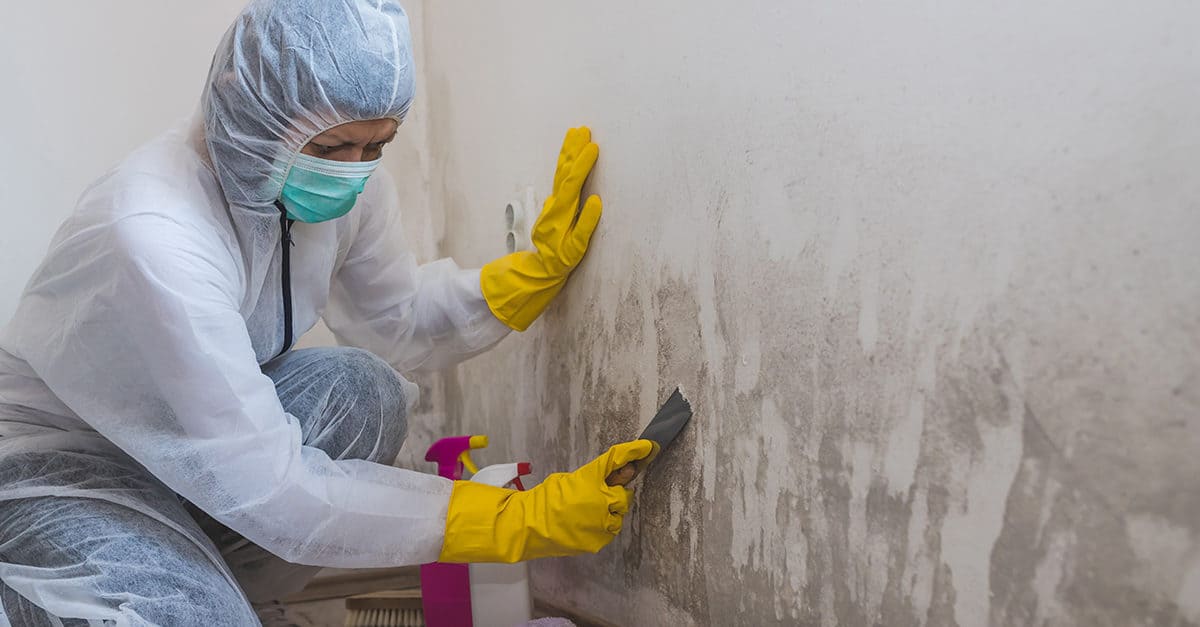
The rainy season in Palm Bay brings frequent storms, high humidity, and persistent moisture that can create ideal conditions for mold growth in residential homes. While rainwater and flooding are the most visible threats, hidden moisture often accumulates in attics, crawl spaces, walls, and HVAC systems. This damp environment can lead to microbial growth that not only damages property but also threatens indoor air quality and the health of residents.
Mold remediation during the rainy season is a critical step for homeowners to protect their investment and ensure a safe living environment. Professional remediation services address existing mold, prevent further contamination, and implement strategies to reduce future risks. This comprehensive guide explains how mold remediation helps homes in Palm Bay during the rainy season, highlighting early signs, remediation processes, costs, and preventive strategies.
Why Mold Thrives During Palm Bay’s Rainy Season
Florida’s tropical climate combined with seasonal rainfall creates a high-moisture environment. Common factors contributing to mold growth during the rainy season include:
- High Humidity: Prolonged humidity levels above 60% allow mold spores to thrive on walls, ceilings, and wood surfaces.
- Roof Leaks: Heavy rains and storm-related roof damage can introduce water into attics and ceilings.
- Plumbing Issues: Leaks from pipes, water heaters, and appliances can saturate drywall, flooring, and insulation.
- Flooding and Stormwater Intrusion: Heavy rainfall can overwhelm drainage systems, seeping into basements, garages, or first-floor areas.
- Condensation: Poorly ventilated homes may experience condensation on windows, pipes, or ductwork, providing additional moisture for microbial growth.
During the rainy season, even minor leaks or moisture accumulation can quickly escalate into significant mold problems if not addressed promptly.
Health and Property Risks of Mold
Mold growth poses multiple risks to both homeowners and their property:
1. Health Risks
Exposure to mold spores can trigger a variety of health issues:
- Respiratory problems including coughing, wheezing, or shortness of breath
- Allergic reactions such as sneezing, itchy eyes, or skin irritation
- Aggravation of asthma and other pre-existing conditions
- Fatigue, headaches, or general malaise in sensitive individuals
2. Structural Damage
Mold feeds on organic materials like drywall, wood, and insulation. Left unchecked, it can weaken structural elements, leading to costly repairs.
3. HVAC System Contamination
Mold growing in ductwork can spread spores throughout the home, exacerbating health risks and making remediation more complicated.
4. Reduced Property Value
Homes with mold damage are harder to sell and may require costly remediation before being marketable.
Early Signs of Mold in Homes During Rainy Season
Homeowners should monitor for early indicators of mold growth to address problems before they escalate:
- Musty Odors: Persistent, earthy smells are often the first sign of hidden mold.
- Visible Mold: Black, green, or white patches on walls, ceilings, floors, or near windows.
- Water Stains or Discoloration: Yellow or brown stains may indicate moisture intrusion.
- Condensation: Moisture on windows, walls, or pipes suggests high humidity levels conducive to mold.
- Warped or Bubbling Surfaces: Peeling paint, sagging drywall, or warped wood often signal prolonged dampness.
- Health Symptoms: Unexplained coughing, sneezing, or irritation in family members.
Early detection is critical during the rainy season because mold can spread rapidly in damp conditions.
Professional Mold Remediation Process
Certified mold remediation specialists in Palm Bay follow a structured approach to safely and effectively remove mold:
Step 1: Inspection and Assessment
Technicians inspect the property to identify moisture sources, visible mold, and potential hidden contamination. Tools such as moisture meters, hygrometers, and infrared cameras detect areas that are not visible to the naked eye.
Step 2: Containment
Affected areas are sealed using plastic barriers and negative air pressure to prevent mold spores from spreading to uncontaminated areas during cleanup.
Step 3: Personal Protective Equipment (PPE)
Technicians wear respirators, gloves, and protective clothing to prevent exposure to mold spores and cleaning agents.
Step 4: Mold Removal
- Non-Porous Surfaces: Hard surfaces like metal, tile, and glass are scrubbed and disinfected.
- Porous Materials: Drywall, insulation, carpeting, and other heavily contaminated materials may need to be removed and replaced.
Step 5: HVAC Cleaning
Air ducts, registers, and air handling units are cleaned to prevent mold spores from circulating throughout the home.
Step 6: Drying and Dehumidification
High-capacity fans and dehumidifiers reduce moisture levels, preventing mold from returning.
Step 7: Post-Remediation Verification
Follow-up testing ensures that mold levels are safe and that the home environment has been restored to a healthy state.
Benefits of Mold Remediation During Rainy Season
- Health Protection: Reduces exposure to allergens, spores, and respiratory irritants.
- Structural Preservation: Prevents ongoing damage to walls, ceilings, floors, and insulation.
- Odor Elimination: Removes musty or stale smells associated with dampness and mold.
- Improved HVAC Efficiency: Clean ducts and filters improve airflow and energy efficiency.
- Peace of Mind: Confirms that the home is safe for residents even during high-humidity periods.
Costs of Mold Remediation in Palm Bay
Costs vary depending on the extent of contamination and size of the home:
- Small areas (<10 sq. ft.): $500–$1,000
- Medium areas (10–50 sq. ft.): $1,000–$3,000
- Large infestations (>50 sq. ft.): $3,000–$7,000+
Additional services like HVAC cleaning, structural repairs, or post-remediation testing may increase costs, but these investments prevent more extensive damage and health risks.
Preventive Measures for Homeowners
After remediation, homeowners can take steps to minimize future mold growth during rainy seasons:
- Maintain Proper Ventilation: Install exhaust fans in bathrooms, kitchens, and laundry rooms.
- Control Indoor Humidity: Use dehumidifiers and air conditioning to maintain humidity below 60%.
- Repair Leaks Promptly: Address roof, plumbing, and window leaks immediately.
- Inspect Attics and Crawl Spaces: Ensure proper ventilation and monitor for water accumulation.
- Regular HVAC Maintenance: Clean ducts, replace filters, and check condensation lines.
- Use Mold-Resistant Materials: Install mold-resistant drywall, insulation, and paints.
- Routine Inspections: Schedule annual inspections, especially after heavy rainstorms.
Real-World Example
A Palm Bay homeowner noticed a musty smell in their attic after consecutive rainy weeks. Initial inspection showed:
- Moisture accumulation in attic insulation
- Mold growth on wooden beams and insulation
Professional remediation included:
- Removal and replacement of contaminated insulation and drywall
- HVAC cleaning and duct sanitization
- Installation of attic vents and dehumidifiers to improve airflow and control humidity
Follow-up testing confirmed that mold was fully removed, indoor air quality improved, and the home was safe for occupancy. Early professional intervention prevented the spread of mold to other areas and avoided more costly repairs.
Choosing a Professional Mold Remediation Service
Homeowners should select a provider who:
- Holds proper licensing, insurance, and certification for mold remediation
- Uses advanced detection tools such as moisture meters, thermal imaging, and air sampling
- Has experience with post-rain and storm-related mold problems
- Provides a detailed remediation plan and post-remediation verification
- Offers HVAC cleaning alongside structural remediation
Avoid companies that provide only superficial cleaning or do not perform follow-up testing.
Final Thoughts
Mold growth during Palm Bay’s rainy season is a serious but manageable threat. Professional mold remediation:
- Protects residents’ health
- Preserves structural integrity
- Eliminates odors and improves indoor air quality
- Prevents future infestations and costly repairs
By recognizing early warning signs, engaging qualified professionals, and implementing preventive strategies, homeowners can maintain a safe, healthy, and mold-free home even during periods of heavy rainfall.