How Mold Inspection Helps Homes in Viera After Hurricanes
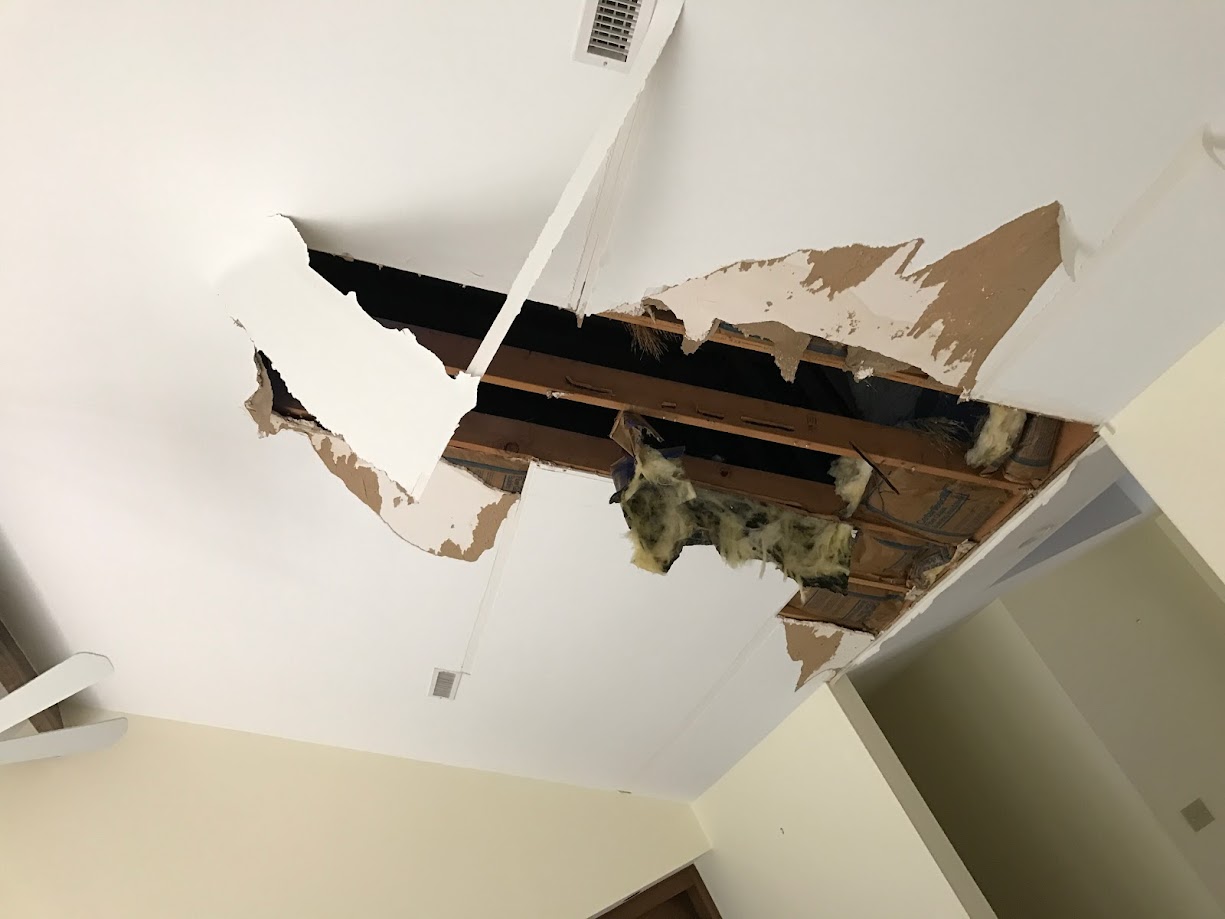
Hurricanes and severe tropical storms are a reality for homeowners in Viera. Even when a property avoids major structural damage, heavy rain, high winds, and prolonged humidity often leave behind moisture in walls, ceilings, insulation, and flooring. This hidden moisture creates ideal conditions for mold growth, sometimes within just a few days.
Mold inspection is one of the most effective ways to protect a home after a hurricane. By identifying moisture early and locating hidden mold growth, inspections help homeowners prevent structural damage, indoor air quality problems, and costly repairs.
Why Hurricanes Increase Mold Risk
After a hurricane, homes may experience water intrusion from several sources. Even small leaks can lead to moisture buildup when humidity remains high for extended periods.
Common causes of mold after hurricanes include:
- Roof leaks or damaged shingles
- Water intrusion around windows and doors
- Flooding or ground-level seepage
- Wet insulation and drywall
- Condensation caused by high humidity
Because Viera and surrounding areas such as Rockledge, Melbourne, and Merritt Island experience warm, humid conditions, materials often take longer to dry, increasing the likelihood of mold growth.
What Mold Inspection Involves
Mold inspection is a detailed process designed to locate both visible and hidden mold and identify the moisture sources that allow it to grow.
A professional inspection typically includes:
- Visual examination of walls, ceilings, and flooring
- Inspection of attics, crawl spaces, and mechanical areas
- Moisture meter testing of building materials
- Humidity measurements
- Evaluation of ventilation and airflow
In some situations, air or surface sampling may also be used to confirm mold presence.
The goal of inspection is not only to find mold but to identify the conditions that allow mold to develop.
Early Signs Mold May Be Developing
Mold does not always appear immediately after a hurricane. Often, the first signs are subtle and easy to overlook.
Homeowners should watch for:
- Musty or damp odors
- Discoloration or staining on ceilings or walls
- Peeling paint or bubbling drywall
- Warped baseboards or trim
- Rooms that feel humid or damp
These signs may indicate hidden moisture that requires inspection.
Hidden Areas Where Mold Often Forms
After a hurricane, water often travels beyond the visible wet area and settles in concealed spaces. Mold frequently develops in:
- Wall cavities behind drywall
- Attic insulation and roof decking
- Carpet padding and subfloors
- Around air ducts and vents
- Inside closets and storage areas
Attics are particularly vulnerable in many Viera homes because warm air and humidity rise and become trapped in these spaces.
Why Visual Checks Are Not Enough
Many homeowners perform a visual inspection after a storm, checking ceilings and walls for stains. While this is helpful, it rarely reveals hidden moisture.
Visual inspections often miss:
- Damp insulation
- Moisture behind walls
- Minor leaks in roofing or flashing
- Subfloor moisture beneath flooring
Mold inspection uses specialized tools that can detect problems long before visible mold appears.
How Professional Mold Inspection Works
A thorough inspection follows a systematic process designed to locate moisture accurately and determine whether mold is present.
Moisture Detection
Meters measure moisture levels in drywall, wood framing, and flooring to identify damp materials.
Thermal Imaging
Infrared cameras help locate temperature differences that may indicate hidden moisture.
Humidity Assessment
Indoor humidity levels are measured to determine whether conditions support mold growth.
Structural Evaluation
Attics, ventilation systems, and areas affected by storm damage are examined carefully.
Professionals familiar with Brevard County homes, including teams like Palm Bay Mold Removal, often combine these methods to ensure that moisture problems are identified before mold spreads.
How Mold Inspection Helps Prevent Larger Problems
One of the biggest benefits of mold inspection is prevention. Detecting moisture early allows homeowners to address problems before mold spreads or structural damage occurs.
Inspection helps:
- Identify leaks that might otherwise go unnoticed
- Prevent mold from spreading into multiple areas
- Improve indoor air quality
- Reduce long-term repair costs
- Protect insulation, drywall, and structural materials
Early detection often means smaller repairs and faster recovery after a hurricane.
What Happens If Mold Is Found
If mold is discovered during inspection, the next step is remediation. Mold removal and remediation typically involve:
- Containing affected areas to prevent spread
- Removing contaminated materials when necessary
- Cleaning and treating structural surfaces
- Drying the structure using air movers and dehumidifiers
- Verifying moisture levels after treatment
Addressing the moisture source is essential to ensure mold does not return.
The Role of HVAC Systems After Hurricanes
HVAC systems can influence both moisture levels and indoor air quality after storm damage. Moisture inside ductwork or around air handlers may circulate humid air throughout the home.
During inspections, technicians often check:
- Air ducts and insulation
- Filters and vents
- Condensation lines and drain pans
- Airflow and ventilation
Proper HVAC maintenance helps control humidity and supports effective drying.
Preventive Steps Homeowners Can Take
Homeowners in Viera can reduce the risk of mold after hurricanes by taking several practical steps.
Helpful practices include:
- Inspecting roofs and ceilings after storms
- Checking attics for damp insulation or staining
- Using dehumidifiers during humid periods
- Keeping gutters and drainage systems clear
- Repairing leaks promptly
Homes in nearby communities such as Cocoa Beach and Satellite Beach often follow similar routines because climate conditions are consistent throughout the region.
Why Local Experience Matters
Mold inspection in coastal Florida requires an understanding of hurricane patterns, humidity levels, and construction methods common in Brevard County homes. Moisture behaves differently in high-humidity environments than in dry climates.
Professionals familiar with Viera properties understand:
- Where storm-related moisture most often accumulates
- How attic heat affects drying times
- Which materials are most vulnerable
- How to prevent recurring mold problems
Palm Bay Mold Removal and other experienced local providers often focus on identifying both mold and moisture sources, helping homeowners achieve lasting results.
A Practical Approach for Homeowners
Hurricanes can leave behind hidden moisture even when visible damage seems minor. Mold inspection helps homeowners identify potential problems early, address moisture quickly, and prevent mold from spreading.
For homeowners in Viera, scheduling an inspection after significant storms, monitoring humidity, and maintaining proper ventilation are some of the most effective ways to protect a home. With early detection and proper restoration, most mold-related issues after hurricanes can be resolved efficiently and prevented from returning.