How Mold Inspection Helps Homes in Titusville During Rainy Season
Rainy season in Titusville brings relief from heat, greener landscapes, and unfortunately, a higher risk of moisture problems inside homes. Frequent storms, heavy rainfall, and high humidity create conditions where water intrusion and damp materials can quickly lead to mold growth.
For homeowners, mold inspection becomes one of the most important steps after leaks, flooding, or even minor water intrusion. A proper inspection helps locate hidden moisture, identify early mold growth, and prevent larger structural issues from developing.
Understanding the Mold Risk During Rainy Season
During extended rainy periods, homes experience more than just occasional wet weather. Materials absorb moisture from the air, roofs endure repeated rainfall, and drainage systems are put under constant stress.
In Titusville, common sources of moisture during rainy months include:
- Roof leaks caused by repeated storms
- Water intrusion around windows and doors
- Overflowing gutters or poor drainage
- Damp attics and crawl spaces
- AC systems running continuously and creating condensation
When moisture remains trapped in drywall, wood, or insulation, mold spores naturally present in the environment can begin to grow.
Why Titusville Homes Are Especially Vulnerable
Homes in Titusville, as well as nearby areas like Mims, Cocoa, Rockledge, and Merritt Island, face environmental conditions that make moisture problems more likely:
- High humidity levels throughout the rainy season
- Warm temperatures that accelerate mold growth
- Older homes with aging roofs or plumbing
- Coastal air that affects building materials over time
Even newer homes are not immune. Poor ventilation, clogged AC drain lines, or minor construction gaps can allow moisture to accumulate in hidden spaces.
Mold inspection helps detect these problems early, often before visible mold appears.
Early Signs That Often Lead to a Mold Inspection
Many homeowners first notice small changes rather than obvious mold patches. Common early warning signs include:
- A musty or damp odor after storms
- Ceiling or wall stains that appear gradually
- Paint bubbling or peeling
- Warped baseboards or trim
- Indoor humidity that feels unusually high
These signs often indicate moisture behind walls or above ceilings—areas that cannot be evaluated without proper tools.
Hidden Areas Where Mold Develops After Rainy Weather
One of the main benefits of a mold inspection is identifying areas that are easy to overlook. Mold frequently develops in places such as:
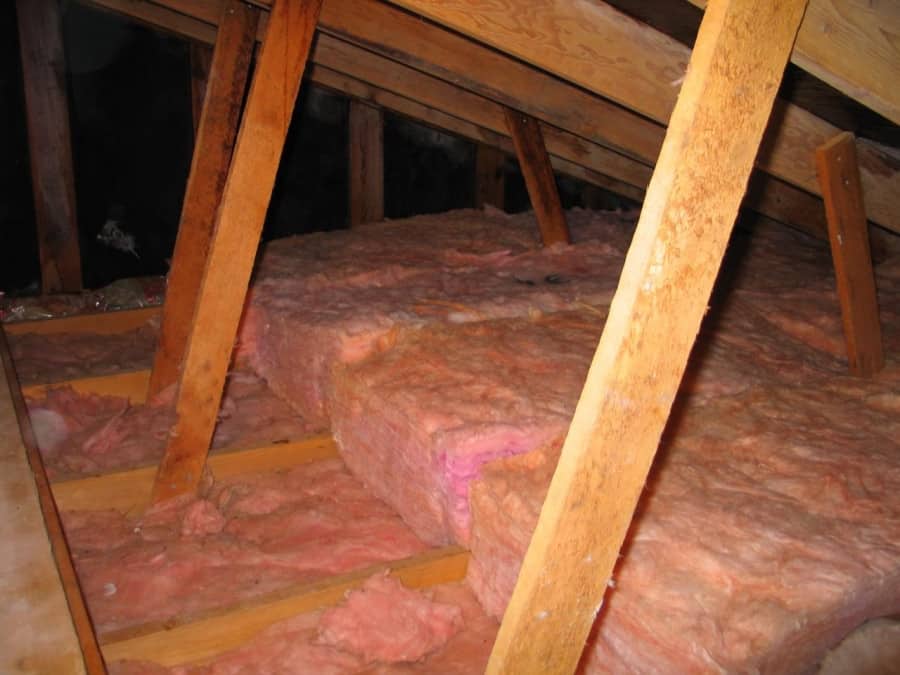
- Attic insulation dampened by roof leaks
- Wall cavities affected by wind-driven rain
- Under flooring where minor flooding occurred
- Air ducts and air handlers with condensation buildup
- Closets or storage areas with limited airflow
Because moisture can travel along framing and settle in unexpected areas, mold growth is not always near the original leak.
Why DIY Mold Checks Are Often Incomplete
Homeowners sometimes inspect visible areas and assume everything is fine if they don’t see mold. However, visual checks alone rarely detect:
- Moisture trapped inside walls
- Damp insulation in attics
- Mold inside HVAC components
- Small leaks inside plumbing or roof penetrations
Professional mold inspections use specialized equipment to measure moisture levels and locate hidden damp areas accurately.
This reduces the risk of repairing or repainting surfaces before the structure is fully dry.
How a Professional Mold Inspection Works
A thorough mold inspection typically follows a structured process designed to identify both mold and its cause.
Initial Assessment
The inspector reviews the home’s history, including recent leaks, storms, or humidity issues.
Moisture Detection
Moisture meters and thermal imaging help locate damp materials inside walls, ceilings, and flooring.
Humidity and Ventilation Evaluation
Indoor humidity levels and airflow patterns are assessed to determine whether conditions support mold growth.
Inspection of High-Risk Areas
Attics, crawl spaces, and HVAC systems are carefully examined.
This process provides a clear understanding of where moisture is present and what steps are needed to correct it.
What Happens If Mold Is Found
If mold is identified, the next step is determining the extent of the problem and how to address it safely.
Typical remediation steps may include:
- Correcting the moisture source
- Removing damaged materials when necessary
- Cleaning affected structural surfaces
- Drying the area thoroughly
- Monitoring moisture levels to ensure stability
The goal is not just to remove mold but to prevent it from returning.
The Role of Water Damage Restoration
During rainy season, mold problems are often linked to water damage. Restoration may be necessary before repairs can begin.
Water damage restoration can involve:
- Water extraction from affected areas
- Drying with dehumidifiers and air movers
- Removing wet insulation or drywall
- Monitoring moisture levels over several days
Drying is essential because even slightly damp materials can support mold growth in Florida’s climate.
HVAC Systems and Rainy Season Moisture
Air conditioning systems often contribute to mold issues during humid months.
Common problems include:
- Condensate drain line clogs
- Moisture accumulation in air handlers
- Damp duct insulation
- Poor ventilation in attics
When mold develops inside ductwork or air handlers, spores can circulate through the home, spreading odors and contamination.
Mold inspections frequently include checking HVAC components to ensure they are not contributing to the problem.
Preventing Mold During Titusville’s Rainy Season
While inspections are important, prevention also plays a key role. Homeowners can reduce risk by:
- Inspecting roofs and gutters regularly
- Keeping drainage systems clear
- Servicing AC systems before peak humidity months
- Using dehumidifiers when indoor humidity rises
- Addressing leaks immediately, even small ones
Simple maintenance steps often prevent larger remediation projects later.
Why Local Experience Matters
Mold inspection in Titusville requires understanding how Florida’s rainy season affects homes. Storm patterns, humidity levels, and local construction styles all influence how moisture enters and moves through a building.
Homes in Titusville, Cocoa, Rockledge, and Merritt Island often experience similar conditions, but each property has unique ventilation patterns, insulation types, and structural details.
Professionals familiar with Brevard County—such as Palm Bay Mold Removal—understand where moisture typically develops and how to identify problems efficiently while minimizing unnecessary disruption.
Local knowledge often means faster diagnosis and more practical solutions.
A Calm, Practical Next Step
If your home has experienced heavy rain, roof leaks, or unexplained humidity, scheduling a mold inspection is a sensible precaution. Early detection helps identify hidden moisture, guide proper drying, and prevent mold from spreading.
Rainy season moisture problems often start small, but with proper inspection and maintenance, they can be resolved before causing significant damage.
Taking action early helps protect both the structure of your home and your long-term repair costs.