
How Mold Inspection Helps Homes in Rockledge After Roof Leaks
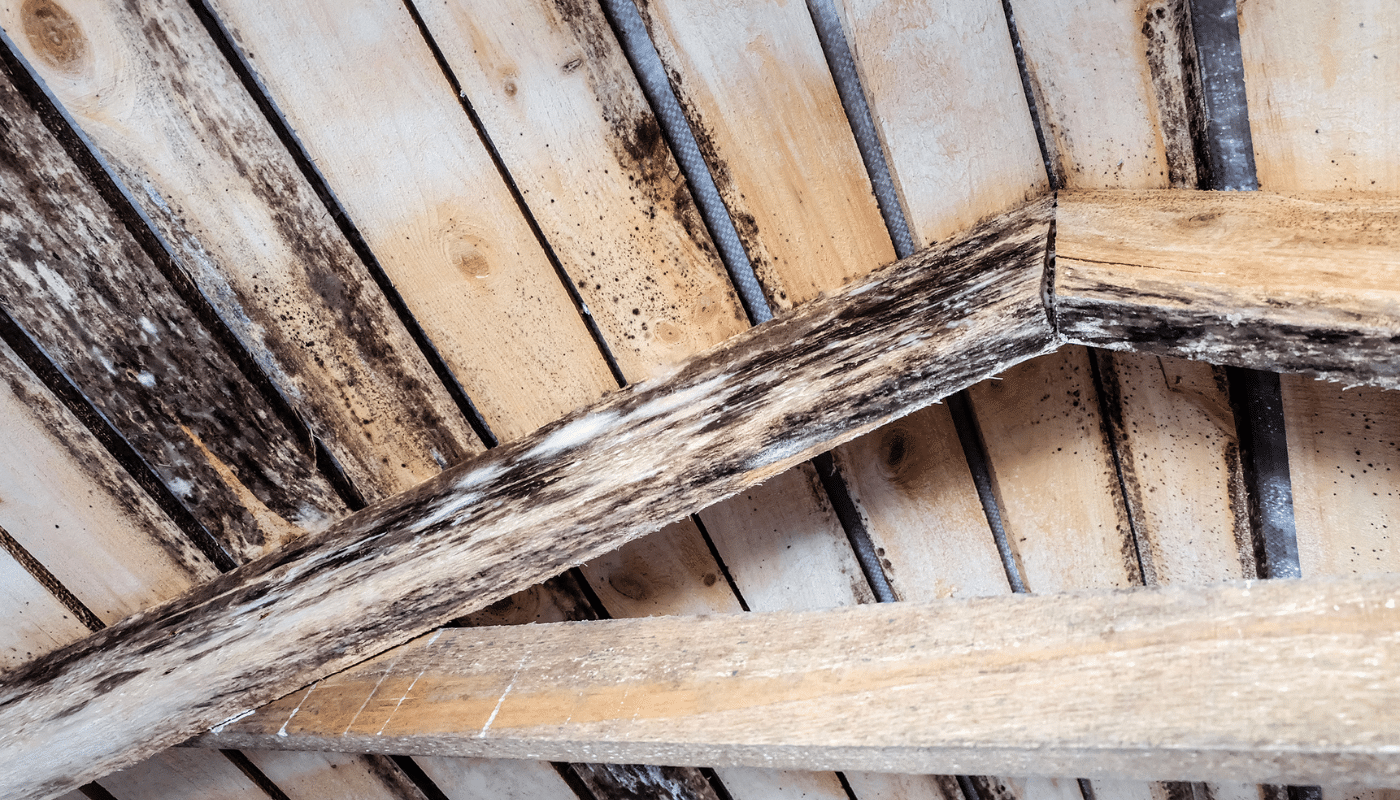
Roof leaks are one of the most common causes of mold in residential homes, and properties in Rockledge are particularly vulnerable due to the region’s frequent storms and high humidity. Water intrusion from damaged roofing can go unnoticed for weeks or even months, creating ideal conditions for mold growth behind walls, under floors, and in attics. Mold not only threatens structural integrity but also poses health risks for occupants.
Professional mold inspection is a critical step for homeowners after a roof leak. Early detection ensures proper remediation, prevents widespread damage, and protects indoor air quality. This guide explains how mold inspections work in Rockledge homes, the warning signs homeowners should look for, the inspection process, associated costs, and strategies to prevent future mold problems.
Why Mold Inspection Is Essential After Roof Leaks
Roof leaks introduce moisture into areas of the home that are often hidden from view. The resulting damp environments create a breeding ground for mold, which can spread quickly and silently. Mold inspections help homeowners by:
- Detecting Hidden Growth: Mold can grow behind walls, under flooring, and in attics, where it is not immediately visible.
- Identifying Moisture Sources: Inspections determine the origin of water intrusion and areas at risk for continued leaks.
- Preventing Health Risks: Mold spores can cause respiratory problems, allergies, headaches, and fatigue.
- Reducing Structural Damage: Early detection limits decay of wood, drywall, and insulation.
- Supporting Insurance Claims: Professional reports provide documentation for claims after storm or roof damage.
Without inspection, mold can remain undetected until it causes extensive damage or health issues.
Common Causes of Mold After Roof Leaks
Several factors make Rockledge homes susceptible to mold after roof leaks:
1. Aging Roofing Materials
Shingles, tiles, and flashing degrade over time, allowing water to seep into the home.
2. Storm Damage
Heavy rainfall, hurricanes, and strong winds can dislodge roofing materials and introduce water into ceilings and attics.
3. Improper Roof Installation
Gaps, missing underlayment, or faulty flashing increase the risk of leaks.
4. Clogged Gutters
Overflowing gutters direct water toward the home’s walls and foundation, leading to hidden leaks.
5. Poor Attic Ventilation
High humidity and trapped moisture in attics create ideal conditions for mold to develop rapidly.
Warning Signs of Mold After Roof Leaks
Homeowners should be vigilant for early indicators of mold growth:
- Musty Odors: Often the first sign of hidden mold in walls, attics, or crawl spaces.
- Visible Stains: Water stains or discoloration on ceilings, walls, or roof decking.
- Warped or Peeling Materials: Bubbling paint, warped wood, or sagging ceilings indicate moisture damage.
- Health Symptoms: Persistent coughing, sneezing, or respiratory irritation among residents.
- Condensation or Damp Spots: Moisture accumulation on windows, walls, or in the attic.
- Increased Pest Activity: Termites, ants, or other pests may infest damp wood.
Prompt action is essential, as mold can spread within 24–48 hours of sustained moisture exposure.
Professional Mold Inspection Process
Certified mold inspectors use specialized tools and techniques to identify contamination, even in hidden areas. The typical process includes:
Step 1: Initial Visual Assessment
Inspectors examine ceilings, walls, attics, and basements for visible water damage, stains, or mold.
Step 2: Moisture Detection
Tools like moisture meters, infrared cameras, and hygrometers help locate hidden water sources and high-humidity zones conducive to mold growth.
Step 3: Air Sampling
Air samples measure the concentration of mold spores circulating in the home, identifying hidden contamination.
Step 4: Surface Sampling
Swabs, tape lifts, or bulk material samples from affected areas help determine mold species and toxicity levels.
Step 5: Analysis and Reporting
Laboratory results are analyzed, and homeowners receive a detailed report outlining:
- Areas affected by mold
- Likely sources of water intrusion
- Recommended remediation steps
- Preventive measures for future protection
Benefits of Professional Mold Inspection
- Early Detection: Identifies hidden mold before it spreads extensively.
- Health Protection: Reduces exposure to allergens and potentially toxic mold species.
- Cost Savings: Prevents expensive structural repairs by addressing the problem early.
- Targeted Remediation: Focuses cleanup efforts on contaminated areas, avoiding unnecessary demolition.
- Insurance Documentation: Provides evidence for roof and water damage claims.
Costs of Mold Inspection in Rockledge
Inspection costs vary depending on home size, complexity, and testing requirements:
- Small homes (1–2 bedrooms): $250–$400
- Medium homes (3 bedrooms): $400–$700
- Large or multi-story homes: $700–$1,200+
Although the cost may seem high, early detection often prevents far more expensive repairs and health-related expenses.
Post-Inspection Steps
After a mold inspection, homeowners should:
- Remediate Affected Areas: Hire certified mold remediation specialists to clean and remove contaminated materials.
- Repair Roof Damage: Fix leaks, replace shingles, and seal flashing to prevent recurring water intrusion.
- Dry and Dehumidify: Use air movers, dehumidifiers, and proper ventilation to reduce moisture.
- Replace Damaged Materials: Remove wet insulation, drywall, or carpeting to prevent regrowth.
- Post-Remediation Verification: Consider follow-up testing to ensure mold has been successfully removed.
Preventive Strategies for Rockledge Homeowners
- Regular Roof Maintenance: Inspect shingles, flashing, and gutters periodically, especially before hurricane season.
- Monitor Indoor Humidity: Keep relative humidity below 60% using air conditioning or dehumidifiers.
- Proper Attic Ventilation: Ensure vents allow airflow to reduce condensation and moisture buildup.
- Routine HVAC Maintenance: Clean ducts and replace filters to prevent mold spread.
- Immediate Water Removal: Address leaks, flooding, or condensation immediately to prevent mold growth.
- Use Mold-Resistant Materials: Consider mold-resistant drywall and insulation in areas prone to moisture exposure.
Real-World Example
A Rockledge homeowner experienced a minor roof leak after a summer storm. Initially, no mold was visible, but a musty odor persisted in the attic. Professional inspection revealed:
- Moisture behind ceiling drywall
- Early-stage mold growth on attic insulation and ductwork
The remediation process included:
- Removal and replacement of affected insulation and drywall
- Cleaning and sanitization of HVAC ducts
- Roof repair and installation of proper flashing
- Post-remediation testing confirmed mold elimination
Early inspection prevented structural damage, reduced remediation costs, and ensured safe indoor air quality.
Choosing a Professional Mold Inspection Service
Homeowners should select providers who:
- Hold proper licensing, insurance, and certifications
- Have experience with post-storm roof leak inspections
- Use advanced detection equipment, including infrared cameras and moisture meters
- Provide detailed reports and remediation recommendations
- Maintain strong references and local experience
Avoid companies that rely solely on visual inspections or offer low-cost, superficial assessments.
Final Thoughts
Mold inspection after roof leaks is a critical step in protecting Rockledge homes. Professional inspections offer:
- Accurate detection of hidden mold and moisture
- Guidance for targeted remediation and prevention
- Health protection for occupants
- Cost-effective solutions that prevent long-term structural damage
By acting promptly, following professional guidance, and implementing preventive measures, homeowners can safeguard their property, indoor air quality, and family health from the harmful effects of mold.