
How Mold Inspection Helps Homes in Rockledge after Flooding
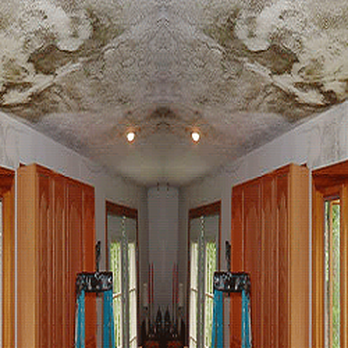
Flooding in Rockledge is a frequent concern for homeowners due to heavy rainfall, storms, and occasional storm surges. While standing water is often visible and addressed promptly, the hidden effects of moisture—particularly mold growth—pose significant risks. Mold can develop behind walls, under flooring, and inside attics or crawl spaces, compromising indoor air quality, damaging structural components, and increasing repair costs if left undetected.
Professional mold inspection is essential after flooding to identify affected areas, assess the extent of contamination, and plan appropriate remediation. This guide explores how mold inspections help Rockledge homeowners, the step-by-step process, warning signs, and preventive strategies to protect homes from long-term damage.
Understanding Flood-Related Mold Risks
Mold is a type of fungus that grows rapidly in warm, damp environments. Homes in Rockledge are particularly vulnerable due to:
- High Humidity – Florida summers maintain indoor humidity levels that encourage mold growth.
- Flooded Areas – Water intrusion from storms, heavy rains, or storm surges can saturate walls, flooring, and insulation.
- AC and Plumbing Moisture – Leaks from air conditioning systems or plumbing may exacerbate damp conditions.
- Hidden Growth Areas – Mold often develops behind walls, under floorboards, inside attics, or in crawl spaces, making detection difficult without professional tools.
Even minor flooding can create conditions where mold spores proliferate within 24–48 hours, emphasizing the need for early inspection.
Common Causes of Mold After Flooding
1. Standing Water
Floodwater that is not quickly removed can be absorbed by wood, drywall, and flooring, creating an ideal breeding ground for mold.
2. Leaky Roofs and Windows
Storms often damage roofing, flashing, and window seals, allowing water to penetrate ceilings and walls.
3. Poor Ventilation
Homes with inadequate airflow trap moisture, particularly in bathrooms, kitchens, attics, and basements, promoting microbial growth.
4. Plumbing Failures
Heavy storms can stress plumbing systems, causing pipes to burst or leak, further contributing to indoor moisture accumulation.
5. Humidity and Condensation
Post-flood indoor humidity often remains elevated, and condensation can form on windows, walls, and ducts, providing moisture for mold colonies.
Early Warning Signs of Mold After Flooding
Recognizing early signs of mold helps homeowners act quickly:
- Musty Odors – Persistent earthy or damp smells indicate hidden mold.
- Discoloration – Yellow, brown, or black stains on walls, ceilings, or flooring.
- Warping or Sagging – Wood floors, baseboards, and walls may swell or deform.
- Visible Mold – Spots on walls, ceilings, carpets, or in crawl spaces.
- Increased Allergic Reactions – Sneezing, coughing, or eye irritation linked to indoor mold exposure.
- Excess Moisture – Condensation on windows, ductwork, or other surfaces.
Prompt attention to these signs allows inspectors to focus on affected areas and prevent further growth.
Step-by-Step Mold Inspection Process
Professional mold inspection after flooding involves several key steps:
Step 1: Initial Assessment
- Interview the homeowner to understand the history of flooding, leaks, and observed water damage.
- Conduct a visual walkthrough to identify visible mold, water stains, and structural damage.
- Identify high-risk areas such as attics, crawlspaces, HVAC systems, bathrooms, and basements.
Step 2: Environmental Monitoring
- Humidity and Temperature Measurement – Determine areas with elevated moisture levels.
- Moisture Meter Testing – Detect hidden water content in walls, flooring, and structural materials.
- Airflow Assessment – Identify rooms with poor ventilation where moisture could accumulate.
Step 3: Sampling and Laboratory Testing
- Air Sampling – Collect airborne spores to quantify contamination levels.
- Surface Sampling – Swabs or tape lifts are taken from walls, ceilings, and other surfaces.
- Lab Analysis – Determines mold species and spore counts to guide remediation plans.
Step 4: Identifying Hidden Problem Areas
- Inspect behind walls, under floors, inside attics, and crawl spaces using thermal imaging and moisture meters.
- Evaluate HVAC systems, ducts, and condensate pans for contamination.
Step 5: Reporting and Recommendations
- Provide a detailed report of findings, including areas of mold, moisture readings, lab results, and severity assessment.
- Recommend remediation actions, preventive strategies, and post-cleaning verification procedures.
Benefits of Mold Inspection
- Early Detection – Finds hidden mold before it spreads and causes extensive damage.
- Accurate Diagnosis – Laboratory testing identifies mold type and potential health risks.
- Health Protection – Reduces exposure to allergens and mold spores.
- Structural Preservation – Prevents wood rot, warping, and degradation of building materials.
- Cost Management – Minimizes long-term repair expenses through early intervention.
Mold Remediation Post-Inspection
When inspection reveals mold, professional remediation typically includes:
- Containment – Isolate affected areas to prevent spore spread.
- Removal – Clean or replace contaminated materials, such as drywall, insulation, and carpet.
- Cleaning and Sanitization – HEPA vacuuming, antimicrobial treatment, and duct cleaning.
- Drying – Air movers, dehumidifiers, and moisture monitoring ensure complete drying.
- Post-Remediation Verification – Follow-up inspections confirm mold removal and safe moisture levels.
Preventive Measures for Homeowners
To prevent future mold growth after flooding:
- Immediate Water Removal – Extract standing water within 24–48 hours.
- Repair Structural Damage – Address leaks in roofs, windows, and plumbing promptly.
- Improve Ventilation – Use fans, vents, and dehumidifiers to reduce humidity.
- Regular HVAC Maintenance – Clean coils, ducts, and drip pans to prevent moisture accumulation.
- Monitor High-Risk Areas – Crawl spaces, attics, and basements should be inspected after storms.
- Install Moisture Sensors – Early detection systems alert homeowners to elevated moisture.
Proactive measures reduce the likelihood of mold recurrence and help maintain healthy indoor air quality.
Local Expertise Matters
Rockledge homeowners benefit from professionals familiar with:
- Florida’s heavy rainfall, storms, and hurricane patterns
- Common construction materials and HVAC systems in coastal homes
- Effective moisture detection and mold remediation techniques
- Preventive strategies tailored to local environmental conditions
Local knowledge ensures inspections are thorough, accurate, and responsive to Rockledge’s unique flood and humidity challenges.
Conclusion
Flooding in Rockledge poses serious risks of hidden mold growth, structural damage, and compromised indoor air quality. Professional mold inspection provides homeowners with the tools and expertise to identify moisture intrusion, detect hidden mold, and plan appropriate remediation.
The step-by-step inspection process includes initial assessment, environmental monitoring, sampling and testing, identifying hidden problem areas, and reporting findings with recommendations. Following inspection, remediation and preventive measures—such as water removal, ventilation improvement, and routine maintenance—help protect homes from long-term damage.
By understanding the importance of mold inspection and acting promptly after flooding, Rockledge homeowners can maintain safe, healthy, and resilient homes throughout Florida’s storm-prone seasons.