
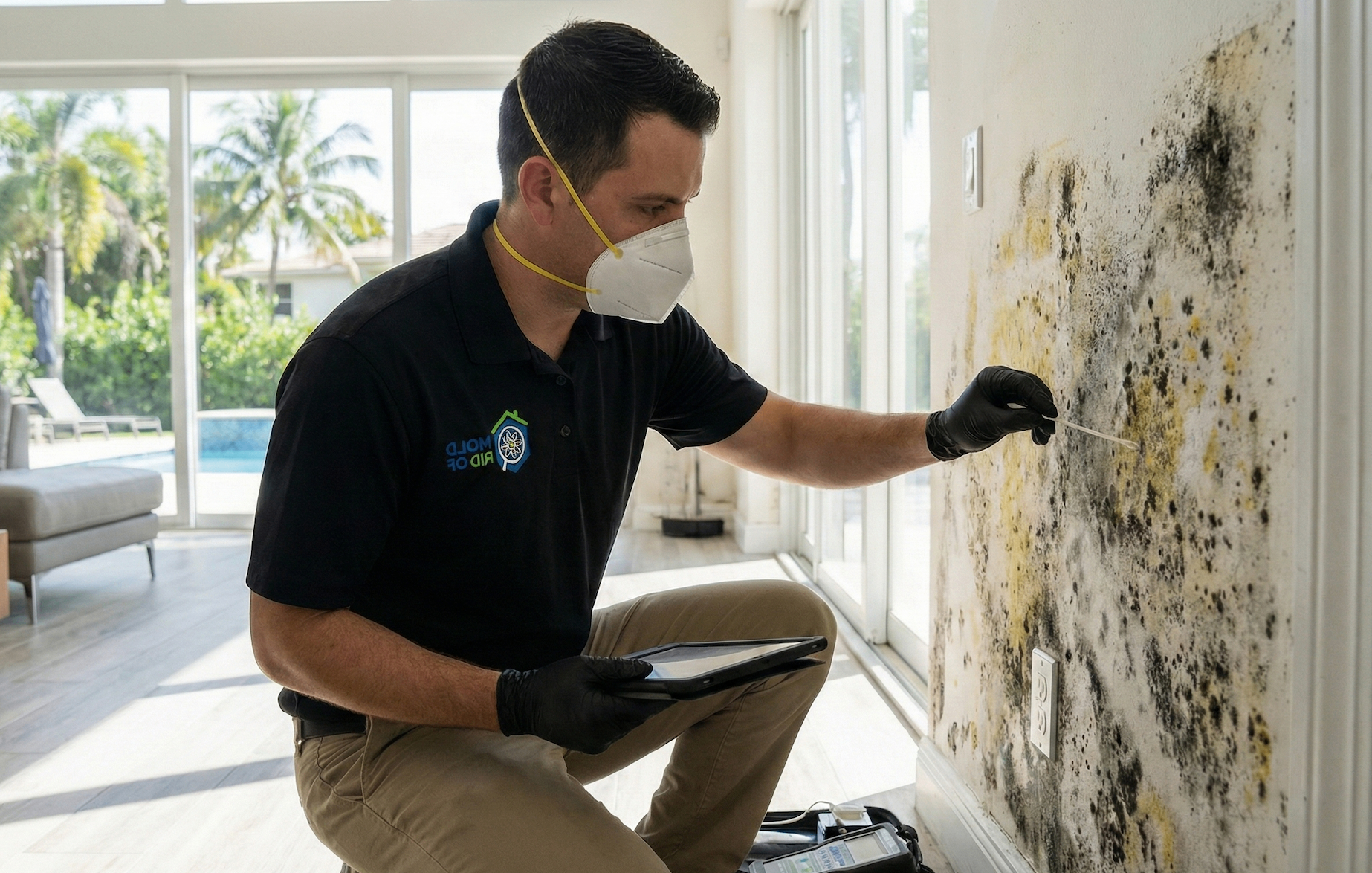
Mold is a common issue in Florida homes, and Palm Bay’s humid, coastal environment makes residential properties especially vulnerable. Even minor water intrusion—from storms, plumbing leaks, or AC condensation—can lead to mold growth that spreads quickly if left unchecked. Homeowners often underestimate the risk because mold can remain hidden behind walls, under flooring, or in attics until it becomes a serious problem.
Mold inspection is a critical step in maintaining a safe, healthy, and structurally sound home. This guide explains why inspections are essential, what professionals look for, common warning signs, methods used, and how mold inspection contributes to long-term home protection in Palm Bay.
Understanding Mold in Residential Homes
Mold is a type of fungus that grows in damp environments. While a small amount may seem harmless, uncontrolled mold growth can damage structural components, compromise indoor air quality, and create expensive repair needs. Common types in Florida homes include Stachybotrys, Aspergillus, and Cladosporium, often appearing as black, green, or white patches on walls, ceilings, and other surfaces.
In residential homes, mold often develops after:
- Storm damage: Heavy rainfall or flooding can saturate walls, floors, and attics.
- Plumbing leaks: Hidden leaks behind sinks, toilets, or water heaters create damp areas.
- AC condensation: Improper drainage or high humidity in ductwork fosters microbial growth.
- Poor ventilation: Kitchens, bathrooms, and attics that lack airflow trap moisture.
Even when water is removed quickly, residual moisture can create ideal conditions for mold within 24–48 hours.
Why Mold Inspections Are Important
Professional mold inspections provide several benefits for homeowners:
1. Early Detection
- Hidden mold can grow behind walls, under flooring, or in attics without visible signs.
- Early detection allows homeowners to address problems before they spread and cause extensive damage.
2. Protecting Indoor Air Quality
- Mold spores circulate through HVAC systems, contributing to allergies, respiratory irritation, and musty odors.
- Identifying contaminated areas helps maintain a healthy living environment for residents.
3. Preventing Structural Damage
- Mold feeds on wood, drywall, and insulation, weakening structural components over time.
- Inspections identify areas where remediation is needed to prevent costly repairs.
4. Insurance and Documentation
- A professional inspection provides documented evidence of mold presence, useful for insurance claims after storms, leaks, or flooding.
Common Signs Homeowners Should Watch For
Even before scheduling a professional inspection, homeowners can identify early indicators of mold:
- Musty odors in rooms, closets, or attics
- Discoloration or staining on walls, ceilings, or floors
- Warped, bubbling, or soft surfaces in drywall, flooring, or wood
- Condensation on windows, pipes, or vents
- Increased allergy symptoms like sneezing, coughing, or eye irritation
Noticing these signs early can prompt an inspection before mold spreads throughout the home.
Hidden or Overlooked Sources of Mold
Mold often grows in areas that are not immediately visible:
- Behind drywall or wallpaper
- Under carpet or laminate flooring
- Attics and crawlspaces where ventilation is poor
- Inside HVAC ductwork and AC units
- Under kitchen or bathroom cabinetry
Professional inspectors use specialized tools to identify these hidden issues, which homeowners may not detect on their own.
Professional Mold Inspection Methods
Certified mold inspectors in Palm Bay employ several methods to accurately detect mold and moisture:
1. Visual Inspection
- Identifies visible mold growth, water damage, and moisture stains
- Assesses areas prone to water intrusion such as attics, basements, and crawlspaces
2. Moisture Detection
- Moisture meters measure water content in wood, drywall, and other building materials
- Hygrometers monitor indoor humidity to identify areas susceptible to mold growth
3. Thermal Imaging
- Infrared cameras detect temperature anomalies caused by hidden moisture
- Allows inspectors to locate leaks behind walls and under flooring without demolition
4. Air and Surface Sampling
- Airborne spores are collected to measure mold concentration
- Surface samples identify specific mold species and severity
- Lab analysis confirms the extent and type of contamination
5. HVAC and Duct Assessment
- Technicians check for mold in ducts, vents, and AC components
- Ensures contaminants are not circulating through the home
Mold Remediation Based on Inspection Findings
After inspection, the next step is remediation, which varies depending on the level and location of mold:
- Small areas (<10 sq. ft.): Can sometimes be handled with surface cleaning, but moisture sources must be fixed
- Moderate contamination: Removal of affected drywall, insulation, and flooring combined with cleaning of non-porous surfaces
- Severe contamination or HVAC involvement: Full containment, HEPA vacuuming, and antimicrobial treatment may be required
Professional remediation ensures mold is safely removed without spreading spores or compromising indoor air quality.
Preventing Mold After an Inspection
Inspection is not a one-time solution; homeowners should implement preventive strategies:
- Maintain low humidity: Keep indoor levels below 60% using AC systems or dehumidifiers
- Promptly repair leaks: Address plumbing, roof, and window leaks immediately
- Regular HVAC maintenance: Clean ducts, replace filters, and monitor condensation
- Improve ventilation: Exhaust fans in kitchens and bathrooms, attic and crawlspace airflow
- Monitor vulnerable areas: Check basements, attics, and under sinks regularly
Consistent preventive maintenance reduces the risk of mold recurrence.
Health and Safety Considerations
Mold inspection protects both property and occupant health:
- Minimizes exposure to spores that can trigger allergies or respiratory problems
- Prevents mold from spreading into HVAC systems
- Ensures that water-damaged areas are properly dried and treated before remediation
For families with children, elderly members, or anyone with respiratory conditions, inspections provide peace of mind.
Why Local Expertise Matters
Palm Bay’s coastal environment presents unique challenges:
- High humidity and heat accelerate microbial growth
- Storm damage and heavy rains increase water intrusion risks
- Older homes with aging roofs, plumbing, or ductwork are particularly vulnerable
Local inspectors understand these environmental and structural factors, offering tailored solutions for Palm Bay homes.
When to Schedule a Mold Inspection
Homeowners should consider professional mold inspection if:
- Visible mold or musty odors are present
- Water damage occurred recently due to storms, leaks, or flooding
- HVAC system issues or high indoor humidity are noticed
- Allergy or respiratory symptoms increase indoors
- Preparing for property sale or insurance evaluation
Early intervention prevents mold from spreading and protects both home and health.
Conclusion
Mold inspection is an essential component of home maintenance for residential properties in Palm Bay. Florida’s humid climate, coastal storms, and older housing stock create conditions that promote mold growth if water intrusion is not properly addressed.
By recognizing early signs, using professional inspection tools, and implementing remediation and preventive measures, homeowners can protect their property, maintain healthy indoor air quality, and reduce the risk of costly structural damage. Scheduling regular mold inspections, especially after storms or plumbing issues, ensures that small problems do not turn into major infestations, safeguarding both your home and your family’s well-being.
How Mold Inspection Helps Homes in Palm Bay: A Residential Homeowner Guide
Mold is a common issue in Florida homes, and Palm Bay’s humid, coastal environment makes residential properties especially vulnerable. Even minor water intrusion—from storms, plumbing leaks, or AC condensation—can lead to mold growth that spreads quickly if left unchecked. Homeowners often underestimate the risk because mold can remain hidden behind walls, under flooring, or in attics until it becomes a serious problem.
Mold inspection is a critical step in maintaining a safe, healthy, and structurally sound home. This guide explains why inspections are essential, what professionals look for, common warning signs, methods used, and how mold inspection contributes to long-term home protection in Palm Bay.
Understanding Mold in Residential Homes
Mold is a type of fungus that grows in damp environments. While a small amount may seem harmless, uncontrolled mold growth can damage structural components, compromise indoor air quality, and create expensive repair needs. Common types in Florida homes include Stachybotrys, Aspergillus, and Cladosporium, often appearing as black, green, or white patches on walls, ceilings, and other surfaces.
In residential homes, mold often develops after:
- Storm damage: Heavy rainfall or flooding can saturate walls, floors, and attics.
- Plumbing leaks: Hidden leaks behind sinks, toilets, or water heaters create damp areas.
- AC condensation: Improper drainage or high humidity in ductwork fosters microbial growth.
- Poor ventilation: Kitchens, bathrooms, and attics that lack airflow trap moisture.
Even when water is removed quickly, residual moisture can create ideal conditions for mold within 24–48 hours.
Why Mold Inspections Are Important
Professional mold inspections provide several benefits for homeowners:
1. Early Detection
- Hidden mold can grow behind walls, under flooring, or in attics without visible signs.
- Early detection allows homeowners to address problems before they spread and cause extensive damage.
2. Protecting Indoor Air Quality
- Mold spores circulate through HVAC systems, contributing to allergies, respiratory irritation, and musty odors.
- Identifying contaminated areas helps maintain a healthy living environment for residents.
3. Preventing Structural Damage
- Mold feeds on wood, drywall, and insulation, weakening structural components over time.
- Inspections identify areas where remediation is needed to prevent costly repairs.
4. Insurance and Documentation
- A professional inspection provides documented evidence of mold presence, useful for insurance claims after storms, leaks, or flooding.
Common Signs Homeowners Should Watch For
Even before scheduling a professional inspection, homeowners can identify early indicators of mold:
- Musty odors in rooms, closets, or attics
- Discoloration or staining on walls, ceilings, or floors
- Warped, bubbling, or soft surfaces in drywall, flooring, or wood
- Condensation on windows, pipes, or vents
- Increased allergy symptoms like sneezing, coughing, or eye irritation
Noticing these signs early can prompt an inspection before mold spreads throughout the home.
Hidden or Overlooked Sources of Mold
Mold often grows in areas that are not immediately visible:
- Behind drywall or wallpaper
- Under carpet or laminate flooring
- Attics and crawlspaces where ventilation is poor
- Inside HVAC ductwork and AC units
- Under kitchen or bathroom cabinetry
Professional inspectors use specialized tools to identify these hidden issues, which homeowners may not detect on their own.
Professional Mold Inspection Methods
Certified mold inspectors in Palm Bay employ several methods to accurately detect mold and moisture:
1. Visual Inspection
- Identifies visible mold growth, water damage, and moisture stains
- Assesses areas prone to water intrusion such as attics, basements, and crawlspaces
2. Moisture Detection
- Moisture meters measure water content in wood, drywall, and other building materials
- Hygrometers monitor indoor humidity to identify areas susceptible to mold growth
3. Thermal Imaging
- Infrared cameras detect temperature anomalies caused by hidden moisture
- Allows inspectors to locate leaks behind walls and under flooring without demolition
4. Air and Surface Sampling
- Airborne spores are collected to measure mold concentration
- Surface samples identify specific mold species and severity
- Lab analysis confirms the extent and type of contamination
5. HVAC and Duct Assessment
- Technicians check for mold in ducts, vents, and AC components
- Ensures contaminants are not circulating through the home
Mold Remediation Based on Inspection Findings
After inspection, the next step is remediation, which varies depending on the level and location of mold:
- Small areas (<10 sq. ft.): Can sometimes be handled with surface cleaning, but moisture sources must be fixed
- Moderate contamination: Removal of affected drywall, insulation, and flooring combined with cleaning of non-porous surfaces
- Severe contamination or HVAC involvement: Full containment, HEPA vacuuming, and antimicrobial treatment may be required
Professional remediation ensures mold is safely removed without spreading spores or compromising indoor air quality.
Preventing Mold After an Inspection
Inspection is not a one-time solution; homeowners should implement preventive strategies:
- Maintain low humidity: Keep indoor levels below 60% using AC systems or dehumidifiers
- Promptly repair leaks: Address plumbing, roof, and window leaks immediately
- Regular HVAC maintenance: Clean ducts, replace filters, and monitor condensation
- Improve ventilation: Exhaust fans in kitchens and bathrooms, attic and crawlspace airflow
- Monitor vulnerable areas: Check basements, attics, and under sinks regularly
Consistent preventive maintenance reduces the risk of mold recurrence.
Health and Safety Considerations
Mold inspection protects both property and occupant health:
- Minimizes exposure to spores that can trigger allergies or respiratory problems
- Prevents mold from spreading into HVAC systems
- Ensures that water-damaged areas are properly dried and treated before remediation
For families with children, elderly members, or anyone with respiratory conditions, inspections provide peace of mind.
Why Local Expertise Matters
Palm Bay’s coastal environment presents unique challenges:
- High humidity and heat accelerate microbial growth
- Storm damage and heavy rains increase water intrusion risks
- Older homes with aging roofs, plumbing, or ductwork are particularly vulnerable
Local inspectors understand these environmental and structural factors, offering tailored solutions for Palm Bay homes.
When to Schedule a Mold Inspection
Homeowners should consider professional mold inspection if:
- Visible mold or musty odors are present
- Water damage occurred recently due to storms, leaks, or flooding
- HVAC system issues or high indoor humidity are noticed
- Allergy or respiratory symptoms increase indoors
- Preparing for property sale or insurance evaluation
Early intervention prevents mold from spreading and protects both home and health.
Conclusion
Mold inspection is an essential component of home maintenance for residential properties in Palm Bay. Florida’s humid climate, coastal storms, and older housing stock create conditions that promote mold growth if water intrusion is not properly addressed.
By recognizing early signs, using professional inspection tools, and implementing remediation and preventive measures, homeowners can protect their property, maintain healthy indoor air quality, and reduce the risk of costly structural damage. Scheduling regular mold inspections, especially after storms or plumbing issues, ensures that small problems do not turn into major infestations, safeguarding both your home and your family’s well-being.