
How Mold Inspection Helps Homes in Merritt Island After Plumbing Leaks
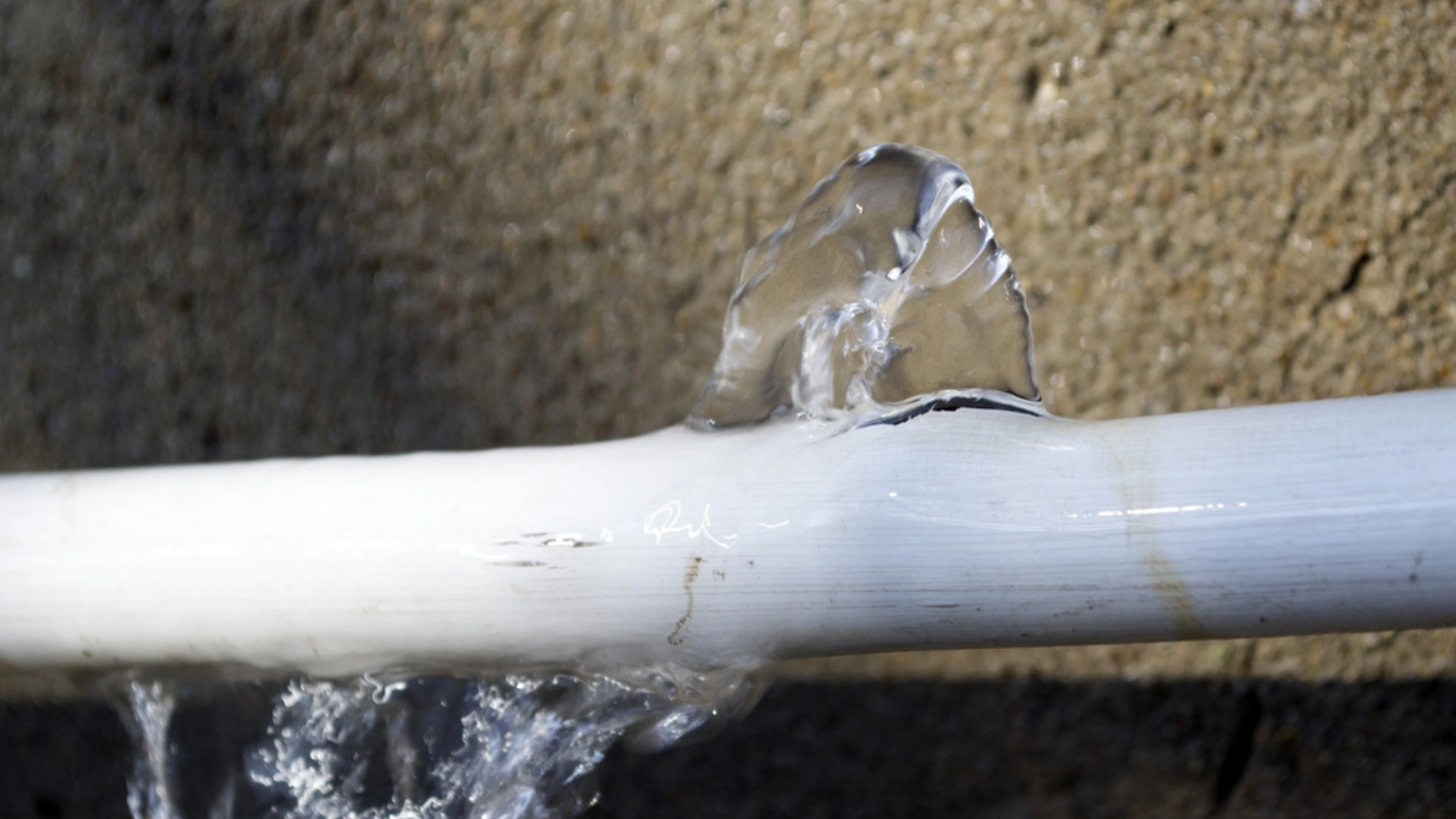
For homeowners in Merritt Island, plumbing leaks are a frequent source of water intrusion that can quickly lead to mold growth. Even minor leaks in pipes, water heaters, or appliances can saturate walls, flooring, and insulation. If left unaddressed, this moisture can create ideal conditions for mold to thrive, compromising indoor air quality, structural integrity, and overall home safety.
Mold inspection is a crucial first step after any plumbing leak. By identifying areas of hidden mold growth, assessing moisture levels, and providing actionable insights, professional inspections help homeowners protect their property and avoid costly repairs. This guide explains the causes of post-leak mold, early warning signs, the mold inspection process, and long-term solutions for Merritt Island homes.
Understanding Mold Growth After Plumbing Leaks
Mold is a type of fungus that spreads via microscopic spores. These spores are naturally present in the environment, but indoor growth occurs when:
- Moisture is present for extended periods
- Temperature conditions are favorable (typically 60–80°F in Florida homes)
- Organic materials such as drywall, insulation, or wood provide nutrients
Plumbing leaks introduce moisture directly into building materials. Even slow leaks behind walls or under floors can saturate cavities and insulation, creating hidden zones where mold can flourish. If ignored, these areas can expand into larger infestations, affecting walls, ceilings, floors, and HVAC systems.
Why Merritt Island Homes Are Vulnerable
Several factors increase the likelihood of mold growth in Merritt Island residences:
1. High Humidity
Coastal humidity often exceeds 60%, creating a constant moisture-rich environment that accelerates mold colonization.
2. Frequent Plumbing Issues
Older plumbing systems, pipe corrosion, and occasional appliance failures can contribute to leaks behind walls or under cabinets.
3. Slab Foundations and Crawlspaces
Homes built on slab foundations or with crawlspaces can trap moisture, making it harder for leaks to evaporate naturally.
4. AC Condensation
Air conditioning units can add additional moisture to the indoor environment, especially if ducts or drip pans are compromised.
5. Limited Ventilation
Areas with poor airflow, such as attics, basements, or closets, allow moisture to persist and mold to spread unchecked.
Early Signs of Mold After Plumbing Leaks
Homeowners should watch for:
- Musty or Earthy Odors – A common early warning sign, particularly near walls, flooring, or HVAC vents.
- Visible Mold Growth – Black, green, or white patches on walls, ceilings, baseboards, or behind cabinets.
- Water Stains or Discoloration – Yellow or brown marks indicate persistent moisture exposure.
- Warping or Bubbling Surfaces – Swelling of walls, flooring, or drywall often precedes mold growth.
- Health Symptoms – Allergies, coughing, sneezing, or respiratory irritation may indicate mold spores in the air.
Early detection is critical to minimize damage and prevent health hazards.
The Role of Professional Mold Inspection
Mold inspection is a detailed, methodical process conducted by certified specialists. The main objectives are:
- Identify Mold Presence – Locate visible and hidden mold colonies.
- Assess Moisture Levels – Determine whether conditions are conducive to mold growth.
- Identify Sources of Moisture – Locate leaks, condensation, or areas prone to water intrusion.
- Provide Remediation Recommendations – Guide homeowners on safe, effective mold removal strategies.
Step-by-Step Mold Inspection Process
Step 1: Visual Examination
The inspector examines the home for signs of moisture or mold:
- Stains, warping, or discoloration on walls, ceilings, and floors
- Water damage in attics, crawlspaces, or basements
- Visible mold patches on ductwork, insulation, or behind appliances
Visual inspection often reveals obvious problems but may not detect hidden moisture or mold.
Step 2: Moisture Detection
- Moisture Meters – Measure moisture content in wood, drywall, and insulation.
- Thermal Imaging Cameras – Detect temperature differentials that indicate water behind walls or ceilings.
- Hygrometers – Measure indoor humidity levels to assess mold risk.
This step identifies areas at risk even before visible mold appears.
Step 3: Air and Surface Sampling
- Air Sampling – Captures airborne spores for laboratory analysis.
- Surface Sampling – Swab tests or tape lifts collect spores from affected surfaces.
- Lab Analysis – Determines species and concentration, helping prioritize remediation.
These tests confirm the presence of mold, even in hidden locations.
Step 4: Assessment Report
The inspector provides a detailed report:
- Location and extent of mold growth
- Moisture sources contributing to growth
- Recommended remediation and prevention strategies
- Estimated costs and materials affected
The report serves as a roadmap for homeowners and contractors to address the issue safely.
Solutions and Remediation
Once mold is identified, effective remediation involves:
1. Containment
Affected areas are sealed with plastic sheeting to prevent spore spread during cleaning.
2. Removal of Contaminated Materials
Porous materials such as drywall, insulation, or carpet that are heavily contaminated are removed to prevent re-growth.
3. Cleaning and Disinfection
- Non-porous surfaces, ductwork, and HVAC components are cleaned with HEPA vacuums and antimicrobial solutions.
- Industrial-grade air movers and dehumidifiers dry affected areas.
4. Addressing Moisture Sources
- Leaks in plumbing, AC units, or roofing are repaired.
- Improved ventilation is installed where necessary to prevent stagnant moisture.
5. Post-Remediation Verification
- Clearance testing confirms that mold spores are reduced to safe levels.
- Moisture readings ensure that the home environment is dry and unlikely to support new mold growth.
Preventive Measures for Merritt Island Homes
After remediation, homeowners can minimize future mold risks:
- Regular Plumbing Maintenance – Inspect pipes, appliances, and water heaters for leaks.
- Humidity Control – Use dehumidifiers and maintain indoor humidity below 50%.
- Proper Ventilation – Install exhaust fans in kitchens, bathrooms, and laundry areas.
- Routine AC Maintenance – Ensure condensate lines are clear and drip pans are functional.
- Water-Resistant Materials – Use moisture-resistant drywall or paint in high-risk areas.
- Early Detection Tools – Moisture sensors or smart water detectors alert homeowners to leaks before extensive damage occurs.
Costs of Mold Inspection and Remediation
Costs vary depending on the size of the affected area and complexity:
- Mold Inspection Only – $300–$600 for a thorough home assessment
- Minor Remediation – $500–$2,000 for localized mold removal
- Moderate to Extensive Remediation – $2,000–$10,000+ for multiple rooms, ductwork, or structural repairs
Early inspection reduces costs by preventing extensive remediation and structural damage.
Health Considerations
Mold growth following plumbing leaks can affect homeowners’ health:
- Allergic reactions such as sneezing and itchy eyes
- Asthma or respiratory irritation
- Fatigue or headaches
- Skin irritation from contact with contaminated surfaces
Professional mold inspection and remediation help restore safe indoor air quality.
Local Expertise Matters
Merritt Island homeowners benefit from working with local mold specialists familiar with:
- Coastal humidity and rainfall patterns
- Common plumbing and AC system designs in Florida homes
- Local construction materials prone to water intrusion
- Regional best practices for mold detection, remediation, and prevention
Local knowledge ensures inspections are thorough, remediation is effective, and preventive measures are tailored to the area’s unique climate and construction.
Conclusion
Plumbing leaks in Merritt Island homes can create hidden moisture problems that lead to mold growth, structural damage, and poor indoor air quality. Professional mold inspection identifies these issues early, assesses moisture sources, and provides a clear remediation roadmap.
By following a systematic inspection process—visual examination, moisture detection, sampling, and reporting—homeowners can take proactive steps to address mold before it spreads. Combined with proper remediation, moisture control, and preventive strategies, mold inspection ensures that Merritt Island residences remain safe, healthy, and protected against future water-related damage.