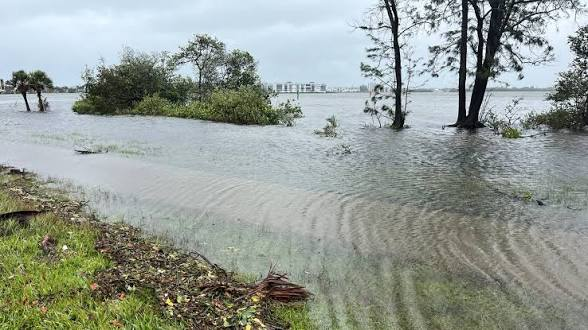
How Moisture Detection Helps Homes in West Melbourne After Hurricanes
Hurricanes in West Melbourne can cause widespread damage to homes, including roof leaks, flooding, and compromised building materials. Even after floodwaters recede, residual moisture can persist in walls, ceilings, flooring, and crawlspaces. If left undetected, this moisture can lead to mold growth, structural deterioration, and reduced indoor air quality.
Moisture detection is a critical first step in post-hurricane home recovery. By identifying hidden wet areas, homeowners can prevent long-term damage, protect health, and guide effective restoration efforts. This guide explores the importance, methods, and benefits of moisture detection after hurricanes in West Melbourne.
Why Moisture Detection Is Critical Post-Hurricane
- Prevent Mold and Mildew
- Moist environments from leaks or flooding allow mold to grow within 24–48 hours.
- Preserve Structural Integrity
- Excess moisture can weaken wooden beams, flooring, drywall, and insulation.
- Protect Indoor Air Quality
- Hidden moisture can harbor bacteria and allergens, compromising air quality.
- Reduce Repair Costs
- Early detection minimizes the scope of repairs and prevents costly long-term damage.
- Ensure Safety
- Moisture can lead to slippery floors, sagging ceilings, and electrical hazards if unchecked.
Common Sources of Post-Hurricane Moisture
- Roof damage or leaks.
- Flooded crawlspaces or basements.
- Water intrusion through windows, doors, or siding.
- Damaged plumbing or HVAC systems.
- Condensation caused by high humidity and poor ventilation.
Early Signs Homeowners Should Watch For
- Musty or Damp Smell
- Persistent odors often indicate hidden water or mold growth.
- Water Stains or Discoloration
- Yellow, brown, or dark streaks on walls, ceilings, or flooring.
- Warped, Buckled, or Soft Surfaces
- Flooring, walls, or baseboards may swell or feel spongy.
- Condensation on Windows or Walls
- Excess humidity trapped inside the home.
- Visible Mold
- Small patches in corners, behind furniture, or near vents.
- Allergy or Respiratory Symptoms
- Sneezing, coughing, or eye irritation can be triggered by moisture-related mold.
Professional Moisture Detection Methods
1. Visual Inspection
- Identify obvious signs of water intrusion, discoloration, or warped surfaces.
2. Moisture Meters
- Measure water content in walls, flooring, and insulation.
- Pin-type meters detect surface moisture; pinless meters measure subsurface moisture.
3. Thermal Imaging Cameras
- Detect temperature differences caused by moisture trapped behind walls, ceilings, or floors.
4. Infrared Scanning
- Reveals hidden water pockets without destructive inspection.
5. Hygrometer Use
- Measures indoor humidity to identify areas prone to condensation.
6. Borescope or Camera Inspection
- Small cameras inserted into walls or crawlspaces reveal hidden water or mold.
Post-Detection Steps for Homeowners
- Immediate Drying
- Use fans, dehumidifiers, and open windows to reduce moisture levels.
- Water Damage Restoration
- Remove damaged drywall, insulation, or flooring as needed.
- Clean and disinfect affected areas to prevent microbial growth.
- HVAC Inspection
- Check for moisture in ductwork or condensation in AC units.
- Mold Remediation
- Treat or remove mold colonies to prevent spread.
- Preventive Repairs
- Fix leaks, replace roofing or siding, and improve ventilation.
Preventive Tips for Future Hurricanes
- Seal and Waterproof Vulnerable Areas
- Windows, doors, and roof penetrations should be reinforced.
- Install Dehumidifiers
- Reduce indoor humidity, particularly in crawlspaces and basements.
- Inspect HVAC Systems
- Ensure proper drainage and condensation removal.
- Regular Home Inspections
- Check attic, roof, and plumbing systems for signs of wear or potential leaks.
- Use Moisture-Resistant Materials
- Consider mold-resistant drywall and treated wood in vulnerable areas.
Benefits of Moisture Detection After Hurricanes
- Early Problem Identification
- Detects hidden water before mold or structural damage develops.
- Protects Health
- Reduces exposure to mold spores, bacteria, and allergens.
- Cost Savings
- Minimizes extensive repairs and restoration expenses.
- Preserves Property Value
- Prevents long-term deterioration of walls, flooring, and structural components.
- Peace of Mind
- Homeowners can confidently restore and maintain safe living conditions after a hurricane.
Conclusion
After hurricanes in West Melbourne, residual moisture can quietly compromise homes, leading to mold growth, structural damage, and indoor air quality issues. Professional moisture detection identifies hidden water, allowing for timely restoration and preventive measures.
By combining early detection, professional intervention, and preventive maintenance, homeowners can protect their investment, ensure occupant safety, and maintain a healthy living environment. Moisture detection is not just a reactive step—it’s a proactive strategy for resilience against future storms and water-related damage.