
How Moisture Detection Helps Homes in Satellite Beach in Older Homes
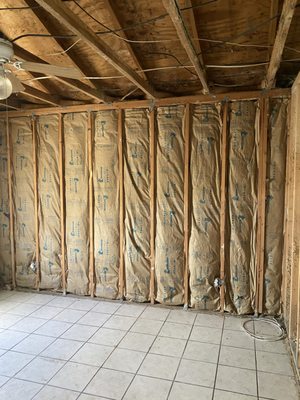
Older homes in Satellite Beach have unique charm and character, but they are particularly susceptible to moisture-related problems. Over time, roofing, plumbing, foundations, and ventilation systems may degrade, allowing water intrusion or excess humidity to affect structural components. Without early detection, moisture can lead to mold growth, wood rot, weakened foundations, and indoor air quality issues.
Moisture detection is a critical service for maintaining older properties. By identifying hidden water and dampness early, homeowners can prevent costly repairs, maintain a healthy living environment, and preserve the structural integrity of their homes. This guide explores the causes, warning signs, detection methods, benefits, and solutions related to moisture detection for older homes in Satellite Beach.
Why Older Homes Are Vulnerable to Moisture
Several factors make older homes particularly prone to water and humidity problems:
- Aging Plumbing – Pipes, fittings, and water heaters may develop leaks over time.
- Worn Roofing and Flashing – Shingles, roof membranes, and flashing may deteriorate, allowing rainwater to seep into attics and ceilings.
- Foundation Settling – Cracks in slab foundations or basements can allow groundwater intrusion.
- Poor Ventilation – Attics, crawl spaces, and bathrooms may have insufficient airflow, trapping moisture.
- Historic Construction Materials – Older insulation, drywall, or wood may absorb water more readily than modern materials.
- Storm and Rain Exposure – Coastal Florida weather exposes homes to heavy rains, high humidity, and occasional hurricanes.
These vulnerabilities make proactive moisture detection essential for preventing long-term damage.
Common Sources of Moisture in Older Homes
- Roof Leaks – Damaged shingles, flashing, or clogged gutters allow water into attics and ceilings.
- Plumbing Issues – Leaking pipes, faulty water heaters, or corroded joints can create hidden damp spots.
- Condensation – Poor insulation and HVAC inefficiencies contribute to condensation on windows, pipes, and walls.
- Flooding and Drainage Problems – Improper grading or foundation cracks allow rainwater to pool around basements or crawl spaces.
- AC System Leaks – Air conditioning units can produce excess moisture if drip pans or condensate lines are compromised.
- Hidden Water Damage – Leaks behind walls, under floors, or inside cabinetry often go unnoticed until structural damage or mold appears.
Understanding these sources helps homeowners focus inspections and plan effective remediation strategies.
Early Signs Homeowners May Notice
Moisture problems often begin quietly but exhibit detectable signs:
- Musty or Earthy Odors – Persistent smells indicate hidden dampness or mold.
- Stains and Discoloration – Yellow, brown, or darker patches on ceilings, walls, or baseboards.
- Warped, Buckling, or Soft Materials – Wood flooring, cabinets, or drywall may warp or sag.
- Visible Mold Growth – Black, green, or gray spots on walls, ceilings, or in crawl spaces.
- Condensation – Windows, pipes, and HVAC vents may show water droplets or streaks.
- Health Symptoms – Sneezing, coughing, or allergic reactions among residents.
Detecting these signs early is critical, as delayed intervention can exacerbate damage and remediation costs.
Professional Moisture Detection Methods
Moisture detection combines advanced tools and professional expertise to identify hidden water before it causes structural damage or mold growth.
1. Visual Inspection
- Technicians examine walls, ceilings, flooring, and attics for signs of water damage, staining, or warping.
2. Moisture Meters
- Handheld meters measure water content in wood, drywall, and concrete.
- Non-invasive readings provide insight into damp areas without destructive testing.
3. Thermal Imaging
- Infrared cameras detect temperature differences caused by trapped moisture behind walls, under floors, and in ceilings.
- Ideal for identifying hidden leaks and potential mold hotspots.
4. Hygrometer Readings
- Measures indoor humidity levels, helping homeowners monitor moisture accumulation in attics, crawl spaces, and living areas.
5. Air and Surface Sampling
- For homes showing signs of mold, spore testing confirms microbial presence and guides remediation priorities.
Professional detection ensures that both visible and hidden moisture is addressed, reducing the risk of mold growth and structural decay.
Benefits of Moisture Detection in Older Homes
Protects Structural Integrity
- Early identification prevents wood rot, drywall deterioration, and foundation weakening.
- Detecting leaks behind walls or under flooring minimizes extensive reconstruction.
Prevents Mold Growth
- Timely moisture detection limits microbial colonization.
- Reduces health risks associated with mold exposure, including allergies and respiratory issues.
Reduces Long-Term Costs
- Early detection avoids costly repairs from widespread water damage.
- Minimizes replacement of carpets, flooring, insulation, and structural components.
Maintains Indoor Air Quality
- Prevents musty odors and microbial contamination that compromise healthy indoor environments.
Supports Home Value and Insurance Claims
- Documentation of moisture inspections and mitigation demonstrates proactive home maintenance.
- Insurance claims for storm or leak-related damage are easier to substantiate with professional reports.
Remediation and Repair Strategies
Once moisture is detected, timely intervention is key:
- Repair Plumbing and Roofing – Fix leaks, replace corroded pipes, repair shingles, and seal flashing.
- Water Removal and Drying – Extract standing water and use air movers, fans, and dehumidifiers to dry affected areas.
- Structural Repairs – Replace damaged drywall, flooring, or insulation as necessary.
- Mold Remediation – If microbial growth is detected, professional mold remediation ensures safe removal and prevention.
- Improve Ventilation – Install or upgrade exhaust fans, vents, and airflow systems in attics, bathrooms, and crawl spaces.
- Preventive Maintenance – Inspect gutters, grading, and HVAC systems regularly to maintain optimal moisture levels.
A systematic approach ensures homes remain safe, dry, and structurally sound.
Costs of Moisture Detection and Remediation
Costs vary depending on home size, age, and extent of moisture issues:
- Inspection Fees – $200–$500 for comprehensive moisture assessment.
- Minor Leak Repairs – $300–$1,500 for small plumbing or roofing fixes.
- Moderate Remediation – $1,500–$5,000 for drying, cleaning, and minor structural repairs.
- Severe Damage or Mold Remediation – $5,000–$10,000+ for extensive repairs and microbial treatment.
Timely detection reduces overall costs by addressing issues before they escalate.
Preventive Measures for Older Homes
- Schedule Regular Inspections – Check plumbing, roofing, and HVAC systems annually.
- Install Moisture Sensors – Alerts help detect leaks or high humidity levels before damage occurs.
- Maintain Gutters and Drainage – Keep water away from foundations and crawl spaces.
- Improve Ventilation – Proper airflow in attics, basements, and bathrooms reduces moisture accumulation.
- Upgrade Building Materials – Mold-resistant drywall, insulation, and treated wood improve resilience.
- Monitor Indoor Humidity – Maintain humidity below 50% to limit microbial growth.
Preventive care prolongs the life of older homes and reduces the likelihood of costly restoration projects.
Local Expertise Matters
Satellite Beach homeowners benefit from local moisture detection specialists who understand:
- Florida’s coastal climate, high humidity, and rainy season impacts
- Common construction vulnerabilities in older homes
- Advanced detection methods for both visible and hidden water
- Remediation strategies tailored to local conditions and building types
Local expertise ensures efficient inspections, accurate detection, and appropriate solutions for older properties.
Conclusion
Moisture problems in older homes in Satellite Beach can lead to structural damage, mold growth, and compromised indoor air quality. Early warning signs—such as musty odors, water stains, warped surfaces, or unexplained condensation—should prompt homeowners to seek professional moisture detection services.
Detection methods, including visual inspection, moisture meters, thermal imaging, and hygrometer readings, allow for accurate identification of hidden leaks and damp areas. Once detected, timely repairs, water removal, drying, mold remediation, and ventilation improvements prevent long-term damage and reduce costs.
Regular preventive maintenance, inspections, and the use of moisture monitoring devices help homeowners maintain safe, dry, and resilient older homes. Engaging local professionals with expertise in Satellite Beach conditions ensures efficient, effective, and long-lasting solutions, protecting both property value and occupant health.