
How Moisture Detection Helps Homes in Satellite Beach after Water Damage
Homes in Satellite Beach enjoy beautiful coastal living, but proximity to the ocean also brings higher exposure to storms, flooding, and humidity. After heavy rain or storm events, water damage can affect homes quickly. While visible water can often be cleaned up, hidden moisture frequently remains inside walls, flooring, and structural areas long after surfaces appear dry.
This hidden moisture becomes one of the biggest risks to homes following water damage. Without proper detection and drying, mold growth and structural deterioration may continue quietly for weeks or months. Moisture detection services help homeowners uncover hidden problems early, preventing long-term damage and costly repairs.
Understanding how moisture detection works after water intrusion helps Satellite Beach homeowners protect their homes and maintain healthy indoor environments.
What Happens Inside a Home After Water Damage
Water entering a home rarely stays confined to the area where it first appears. Instead, it travels through building materials and spreads into hidden spaces.
Common areas affected include:
• Drywall and insulation
• Flooring and subfloors
• Wood framing
• Cabinets and built-in furniture
• Ceiling cavities
• HVAC ducts and ventilation spaces
Even after visible water is removed, materials remain damp. Moisture trapped within structures may take weeks to dry naturally, especially in Florida’s humid environment.
If moisture remains, mold growth can begin quickly, leading to odors and air quality problems.
Why Water Damage Is Common in Satellite Beach Homes
Satellite Beach homes face unique risks due to coastal weather conditions and storm exposure.
Common causes of water intrusion include:
• Hurricane and tropical storm rainfall
• Wind-driven rain entering through roofs and windows
• Storm surge and flooding
• Plumbing failures
• Roof leaks after storms
• AC condensation problems
Homes close to the coast also experience higher humidity levels, making moisture slower to dry once it enters.
Even small leaks during storms can lead to hidden damage.
Early Signs Moisture Remains After Water Damage
After storms or indoor flooding, homeowners often assume problems are resolved once water is cleaned up. However, lingering moisture usually reveals itself through subtle warning signs.
Homeowners should watch for:
• Musty smells appearing days after cleanup
• Paint peeling or bubbling
• Wall or ceiling discoloration
• Warped or soft flooring
• Persistent indoor humidity
• Mold spots forming near corners or vents
• Increased allergy symptoms indoors
These signs indicate moisture may still be present inside structural materials.
Ignoring early symptoms allows problems to worsen.
Hidden Areas Moisture Commonly Affects
Water damage frequently spreads to areas homeowners rarely inspect.
Hidden moisture often remains in:
• Wall cavities behind drywall
• Attic insulation and roof decking
• Crawl spaces beneath homes
• Subflooring layers
• Behind cabinets and storage areas
• Inside HVAC duct systems
Because these spaces are concealed, moisture often goes unnoticed until mold becomes visible.
Professional moisture detection helps uncover these hidden problems.
Why DIY Drying Methods Often Fail
Many homeowners attempt to dry homes themselves after water damage using fans or household dehumidifiers. While these tools help dry surfaces, they rarely remove moisture trapped inside structures.
DIY drying cannot effectively reach:
• Moisture inside walls
• Wet insulation
• Water beneath flooring materials
• Damp structural framing
• Moisture trapped in ducts
Without professional drying, materials stay damp and mold growth may begin.
Professional detection tools help locate moisture before further damage occurs.
How Professional Moisture Detection Works
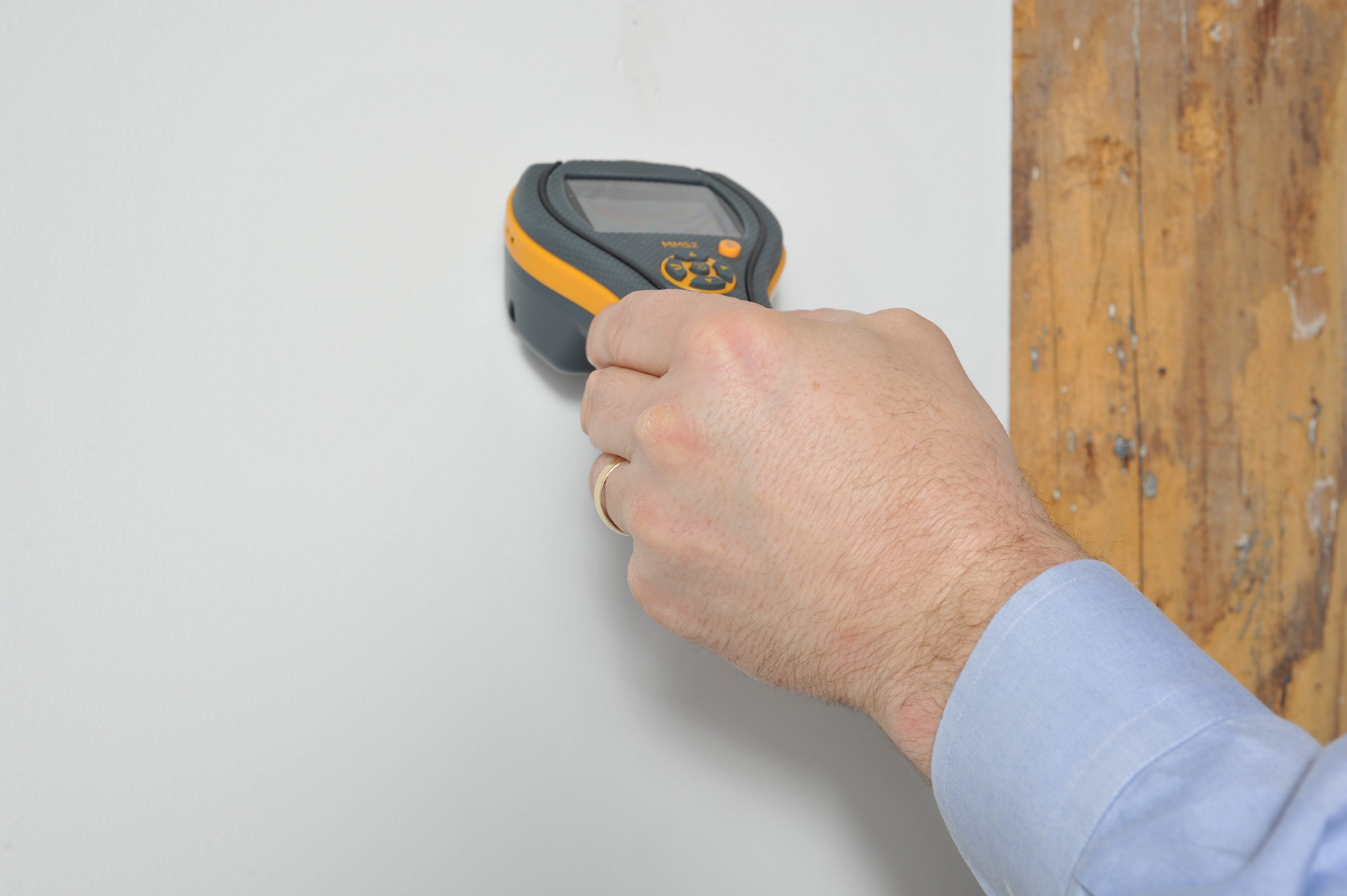
Professional moisture detection uses specialized equipment to locate hidden water without unnecessary demolition.
Inspection methods often include:
• Moisture meters measuring dampness behind walls and floors
• Infrared thermal imaging to locate hidden moisture patterns
• Humidity measurements throughout the home
• Inspection of attics and crawl spaces
• Evaluation of HVAC systems
These tools allow technicians to pinpoint areas requiring drying or repair.
Local professionals familiar with coastal homes, including Palm Bay Mold Removal, understand how water spreads through Brevard County homes after storms.
Mold Growth After Water Damage
Mold begins developing when moisture remains trapped for more than a day or two. In Florida’s warm climate, growth can occur rapidly.
Common mold growth areas include:
• Behind drywall
• Under carpets and flooring
• Inside closets and storage spaces
• Attic insulation and roof decking
• Around HVAC vents
Once mold begins spreading, remediation becomes more complicated and costly.
Early moisture detection helps prevent mold before it develops.
Proper Mold Removal and Remediation
If mold is discovered after water damage, remediation focuses on removing contamination and preventing recurrence.
The remediation process often includes:
• Containment of affected areas
• Removal of contaminated materials
• Cleaning structural surfaces
• HEPA air filtration
• Structural drying
• Repair of moisture sources
Proper remediation prevents mold from returning after cleanup.
Addressing moisture sources remains the key to long-term success.
Water Damage Repair and Restoration
Water intrusion often damages structural materials that must be repaired or replaced.
Restoration services may include:
• Removal of soaked drywall and insulation
• Replacement of damaged flooring
• Ceiling repairs
• Sanitizing affected areas
• Structural drying and monitoring
Professional restoration ensures homes are safe and structurally sound after water damage.
Repairing hidden damage prevents long-term problems.
HVAC Systems and Moisture Problems
Water damage frequently affects HVAC systems, especially when leaks occur in attics or ceiling spaces.
Moisture can impact:
• Duct insulation
• Air handler components
• Condensate systems
• Ceiling cavities around ducts
Contaminated HVAC systems can spread moisture and mold spores throughout the home.
Professional inspections help ensure HVAC systems remain clean and safe after water damage.
Preventing Future Moisture Damage
Homeowners can reduce future risks by taking preventive steps following repairs.
Recommended measures include:
• Inspecting roofs annually
• Maintaining gutters and drainage systems
• Servicing HVAC systems regularly
• Monitoring indoor humidity levels
• Addressing leaks immediately
• Inspecting homes after major storms
Routine inspections catch small issues before they escalate.
Preventive maintenance protects long-term home value.
Why Local Experience Matters in Satellite Beach
Homes in Satellite Beach, Cocoa Beach, Merritt Island, and nearby coastal communities share common construction designs and environmental challenges.
Local professionals understand:
• Coastal humidity effects on homes
• Storm-related water intrusion patterns
• Construction materials common in Brevard County
• Moisture behavior in coastal foundations
Experience working with regional housing allows faster detection and practical solutions.
Local knowledge ensures repairs address real causes rather than temporary symptoms.
Acting Early Protects Homes and Comfort
Water damage may seem resolved once standing water disappears, but hidden moisture often remains and causes long-term problems if not addressed.
If your home experienced water intrusion and now shows musty odors, humidity problems, or stains, professional moisture detection can reveal hidden issues before damage spreads further.
Trusted local specialists such as Palm Bay Mold Removal help homeowners understand moisture risks and guide proper restoration steps to protect homes long term.
Addressing hidden moisture early keeps Satellite Beach homes safe, comfortable, and structurally protected even after severe weather events.