
How Moisture Detection Helps Homes in Cocoa Beach After Roof Leaks
Roof leaks in Cocoa Beach are more common than many homeowners expect. Between coastal storms, salt air exposure, heavy summer rains, and hurricane season, roofing systems take constant abuse. Sometimes the leak is obvious — water dripping into a bucket during a storm. More often, it is subtle — a faint ceiling stain or a slight musty odor weeks later.
In Florida’s humid coastal climate, even a small roof leak can lead to hidden moisture buildup, mold growth, and structural damage. That is where professional moisture detection becomes critical. It helps identify problems early, locate hidden dampness, and prevent long-term damage.
This guide explains why moisture detection is especially important after roof leaks in Cocoa Beach and how it protects your home.
Why Roof Leaks Are a Bigger Concern in Cocoa Beach
Cocoa Beach homes face unique environmental pressures:
- Wind-driven rain from tropical systems
- Salt air that accelerates roofing material deterioration
- High year-round humidity
- Intense sun exposure weakening shingles
- Sudden heavy downpours during rainy season
Even small cracks in flashing or loose shingles can allow water intrusion during storms. Because coastal humidity is already high, moisture does not dry as quickly as in drier climates.
Homes in nearby Satellite Beach, Cape Canaveral, and Merritt Island experience similar exposure, but Cocoa Beach’s direct oceanfront proximity increases stress on roofing systems.
What Happens After a Roof Leak
When water enters through the roof, it rarely stays in one spot.
It may:
- Soak attic insulation
- Travel along rafters
- Drip behind drywall
- Pool above ceilings
- Spread into wall cavities
By the time a ceiling stain appears, moisture may have already affected framing and insulation above.
Without moisture detection, hidden dampness can remain long after the visible stain dries.
Why Surface Drying Is Not Enough
After a roof leak, many homeowners assume that once the ceiling looks dry, the issue is resolved. Unfortunately, that is rarely the case in Florida.
Drywall may dry on the surface while insulation above remains wet. Wood framing can retain moisture for weeks. Trapped dampness creates ideal conditions for mold growth.
Moisture detection identifies what the eye cannot see.
How Professional Moisture Detection Works
Moisture detection is a systematic process designed to locate hidden dampness inside building materials.
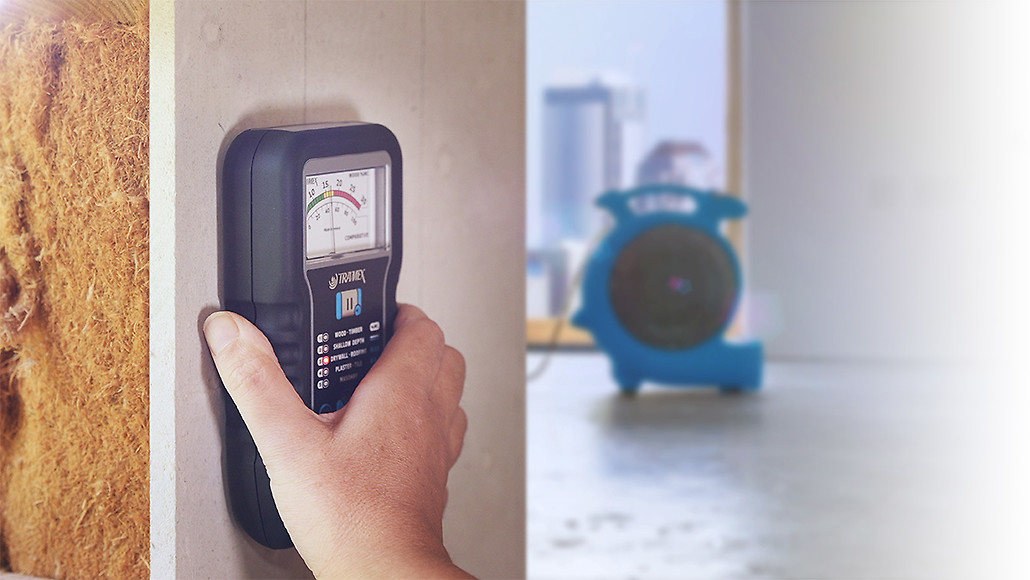
Moisture Meters
These handheld devices measure moisture content in drywall, wood, and other materials. Elevated readings indicate hidden moisture.
Thermal Imaging
Infrared cameras detect temperature differences caused by damp materials behind ceilings or walls.
Attic Inspection
Roof decking and insulation are checked for saturation.
Humidity Measurement
Indoor humidity levels are recorded to determine overall moisture conditions.
Palm Bay Mold Removal uses structured moisture detection throughout Cocoa Beach to help homeowners determine the full extent of roof leak damage.
Hidden Areas Commonly Affected by Roof Leaks
In Cocoa Beach homes, roof leaks often impact:
Attic Insulation
Wet insulation loses effectiveness and traps moisture.
Roof Decking
Wood sheathing may remain damp long after rainfall.
Ceiling Cavities
Water may pool above drywall without immediate visible damage.
Wall Framing
Water traveling along rafters may enter wall cavities.
HVAC Ductwork
Leaks in attics may saturate duct insulation, increasing condensation issues.
Moisture detection ensures these areas are evaluated thoroughly.
Preventing Mold Growth After a Leak
In Florida’s warm, humid environment, mold can begin forming within 24 to 48 hours if materials remain damp.
Moisture detection helps:
- Confirm full drying
- Identify areas requiring material removal
- Guide dehumidification efforts
- Prevent hidden mold growth
If moisture is detected early, targeted drying can prevent more extensive remediation.
The Role of Attic Ventilation
Many Cocoa Beach homes have attic spaces that experience extreme heat and humidity.
Poor ventilation slows drying after roof leaks. Warm, moist air trapped in the attic can prolong damp conditions.
Moisture detection often reveals ventilation-related issues contributing to ongoing moisture retention.
Improving airflow may be part of long-term prevention.
Slab Foundations and Secondary Moisture
While roof leaks originate above, moisture can migrate downward.
In slab foundation homes, water traveling through walls may reach baseboards or flooring.
If not detected early, secondary moisture problems may develop on lower levels.
Comprehensive inspection prevents overlooked damage.
Warning Signs That Require Moisture Detection
Homeowners in Cocoa Beach should consider professional evaluation if they notice:
- Ceiling discoloration
- Sagging drywall
- Peeling paint
- Musty odors
- Damp attic insulation
- Increased indoor humidity
Even if the leak appears minor, moisture detection confirms whether deeper damage exists.
Long-Term Structural Protection
Repeated roof leaks weaken building materials over time.
Unchecked moisture can cause:
- Wood rot
- Insulation breakdown
- Drywall deterioration
- Fastener corrosion
Salt air in coastal environments accelerates these effects.
Early moisture detection preserves structural integrity and reduces the need for major reconstruction.
Why Local Experience Matters
Cocoa Beach’s coastal climate differs from inland Florida areas.
Local professionals understand:
- Ocean-driven wind patterns
- Typical roofing vulnerabilities
- Salt air corrosion effects
- Seasonal rain intensity
- Attic ventilation challenges in coastal homes
Palm Bay Mold Removal serves Cocoa Beach and surrounding Brevard County communities with region-specific moisture detection and inspection strategies.
Local knowledge improves diagnostic accuracy and ensures realistic prevention plans.
Preventing Future Roof Leak Damage
After addressing a leak, homeowners can reduce recurrence risk by:
- Scheduling annual roof inspections
- Replacing damaged flashing promptly
- Maintaining attic ventilation
- Cleaning gutters before storm season
- Monitoring indoor humidity
- Addressing minor ceiling stains immediately
Proactive maintenance reduces the likelihood of repeated moisture intrusion.
A Practical Approach for Cocoa Beach Homeowners
Roof leaks are common in coastal Florida, but hidden moisture does not have to become a long-term problem.
Moisture detection provides clarity. It identifies damp areas early, guides drying efforts, and prevents mold growth before it spreads.
In Cocoa Beach’s humid environment, assuming materials are dry without testing can lead to expensive surprises later.
With proper inspection, thorough drying, and preventative maintenance, homeowners can protect their property and maintain structural integrity long after the storm has passed.