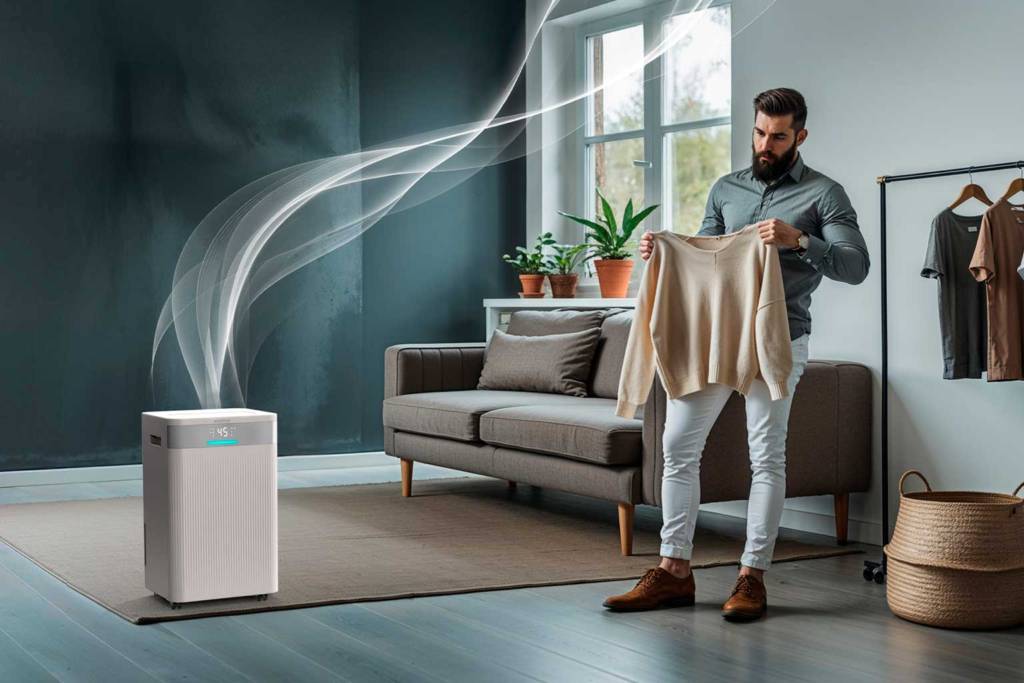
How Indoor Air Quality Improvement Helps Homes in Rockledge in Humid Summers
Homes in Rockledge experience long, humid summers that can significantly affect indoor air quality. High outdoor humidity, frequent afternoon storms, and constant air-conditioning use all contribute to moisture buildup inside homes. Over time, excess moisture can lead to mold growth, musty odors, and poor air circulation, making indoor air quality improvement an important part of maintaining a healthy living environment.
Indoor air quality is often overlooked because many of the issues are invisible. However, improving air quality can reduce moisture problems, prevent mold growth, and make homes more comfortable throughout Florida’s warmest months.
What Indoor Air Quality Problems Really Mean
Indoor air quality refers to the cleanliness and safety of the air inside a home. In humid climates like Rockledge, the most common indoor air quality issues are related to moisture and airborne particles.
These may include:
- High humidity levels
- Mold spores in the air
- Dust and debris in air ducts
- Poor ventilation in bathrooms and kitchens
- Contaminants trapped in carpets and upholstery
When moisture and airborne particles accumulate, they can circulate continuously through HVAC systems, affecting every room in the home.
Why This Happens So Often in Rockledge
Several local environmental factors make indoor air quality problems more common in Rockledge and nearby areas such as Viera, Cocoa Beach, and Melbourne.
High Humidity Levels
Summers in Brevard County often bring humidity levels well above comfortable indoor ranges. Even with air conditioning, moisture can linger in walls, insulation, and duct systems.
Frequent Rainfall and Storms
Afternoon thunderstorms and tropical systems increase moisture levels both indoors and outdoors.
Air Conditioning Condensation
Air conditioning systems remove moisture, but condensation in drain pans, ducts, or coils can create damp environments where mold may develop.
Limited Ventilation
Many homes remain closed during hot months to maintain cool temperatures, reducing fresh airflow.
These conditions combine to make indoor air quality improvement especially important during the summer.
Common Signs Homeowners Notice
Indoor air quality problems often begin with subtle warning signs.
Persistent Musty Odors
A damp smell often indicates excess moisture or mold growth in hidden areas.
Rooms That Feel Damp or Sticky
If indoor air feels heavy or humid, moisture levels may be too high.
Condensation on Windows or Vents
Moisture forming on glass or metal surfaces is a sign of high humidity.
Dust Buildup Around Vents
Accumulated dust may indicate airflow issues or dirty ductwork.
Allergy-Like Symptoms Indoors
Sneezing, coughing, or irritation that improves outdoors may be linked to indoor air quality issues.
Recognizing these signs early allows homeowners to address problems before they worsen.
Hidden or Overlooked Sources of Poor Air Quality
Some of the most significant indoor air quality problems originate in areas homeowners rarely inspect.
Common hidden sources include:
- Air ducts containing dust or moisture
- Attic insulation affected by humidity
- Crawl spaces with limited airflow
- Carpets that have absorbed moisture
- HVAC drain lines that are partially clogged
These areas can contribute to ongoing air quality problems even when living spaces appear clean.
Why DIY Air Quality Solutions Often Fall Short
Homeowners often try to improve indoor air quality using air fresheners or small portable devices. While these may help temporarily, they rarely solve the underlying issue.
DIY efforts often fail because:
- Moisture sources remain untreated
- HVAC systems are not inspected or cleaned
- Hidden mold or dust remains in ducts
- Ventilation problems are not corrected
Improving indoor air quality usually requires identifying moisture sources and ensuring proper airflow throughout the home.
Professional Indoor Air Quality Assessment Explained
A professional indoor air quality assessment evaluates several key factors affecting the air inside a home.
Visual Inspection
Technicians examine vents, ceilings, and areas where moisture may accumulate.
Humidity Measurements
Moisture levels are measured to determine whether indoor air exceeds recommended ranges.
Duct and HVAC Evaluation
Air ducts and air handlers are checked for debris, condensation, and airflow issues.
Moisture Detection
Specialized tools help locate hidden damp areas behind walls or under flooring.
Companies such as Palm Bay Mold Removal often recommend combining air quality improvement with moisture control to achieve long-term results.
How Indoor Air Quality Improvement Helps Homes
Improving indoor air quality provides several important benefits.
Reduces Mold Growth Risk
Lower humidity and better ventilation make it harder for mold to develop.
Improves Comfort
Balanced humidity levels make indoor temperatures feel more comfortable.
Protects Building Materials
Controlling moisture prevents damage to drywall, wood, and insulation.
Extends HVAC Efficiency
Clean ducts and proper airflow allow systems to operate more efficiently.
Eliminates Persistent Odors
Removing moisture sources and cleaning ducts often resolves musty smells.
These benefits help homeowners maintain healthier, longer-lasting living environments.
Steps Involved in Indoor Air Quality Improvement
Indoor air quality improvement often includes several coordinated steps.
- Cleaning air ducts and vents
- Inspecting HVAC components
- Improving ventilation in high-moisture areas
- Using dehumidifiers when necessary
- Addressing leaks or condensation issues
- Cleaning carpets and upholstery affected by moisture
Each step contributes to reducing airborne particles and controlling humidity.
The Role of HVAC Systems in Air Quality
HVAC systems play a central role in maintaining indoor air quality.
Key components that require attention include:
- Evaporator coils
- Drain pans and condensate lines
- Filters
- Ductwork
If these components accumulate moisture or debris, they can circulate contaminants throughout the home. Routine maintenance and cleaning help prevent these issues.
Preventing Indoor Air Quality Problems During Humid Summers
Homeowners in Rockledge can take several preventive measures to maintain good air quality.
Keep Humidity Under Control
Use air conditioning and dehumidifiers to maintain humidity below about 60 percent.
Change HVAC Filters Regularly
Clean filters improve airflow and reduce airborne dust.
Inspect Roofs and Windows
Preventing leaks helps keep moisture from entering the home.
Use Exhaust Fans
Bathrooms, kitchens, and laundry rooms should have proper ventilation.
Schedule Routine Inspections
Professional inspections help detect hidden moisture early.
Preventive maintenance is often far less costly than repairing moisture damage later.
Why Local Experience Matters
Indoor air quality improvement in Florida requires an understanding of regional conditions. Coastal humidity, seasonal storms, and continuous AC use create unique challenges not found in many other climates.
Local professionals understand:
- How humidity affects Florida homes
- Common ventilation problems in coastal construction
- Typical moisture patterns in attics and ducts
- The importance of rapid drying after storms
This experience helps ensure that solutions address the real causes of poor air quality rather than temporary symptoms.
Learning from Previous Moisture and Mold Issues
In a previous guide about mold inspection after hurricanes in Titusville, we discussed how hidden moisture can remain in structures long after visible water damage is gone. The same principle applies to indoor air quality—moisture that is not fully addressed can continue affecting the air inside a home for months.
Addressing moisture early is one of the most effective ways to prevent long-term air quality problems.
Calm, Practical Steps for Homeowners
If you suspect indoor air quality issues, a step-by-step approach helps prevent unnecessary stress.
- Check for obvious moisture sources such as leaks or condensation.
- Monitor humidity levels indoors.
- Replace HVAC filters and ensure vents are unobstructed.
- Schedule a professional inspection if odors or humidity persist.
- Address ventilation and drying needs promptly.
Taking action early often prevents more serious problems later.
Final Thoughts
Indoor air quality improvement plays a vital role in protecting homes in Rockledge during humid summers. High humidity, frequent rain, and constant air-conditioning use create conditions where moisture and airborne particles can accumulate quickly. By recognizing warning signs, addressing moisture sources, and maintaining HVAC systems, homeowners can significantly improve indoor comfort and reduce the risk of mold and structural damage.
Good indoor air quality is not achieved through a single step but through consistent attention to ventilation, moisture control, and routine inspections. With the right approach, homes in Rockledge can remain comfortable, clean, and healthy throughout even the most humid summer months.