
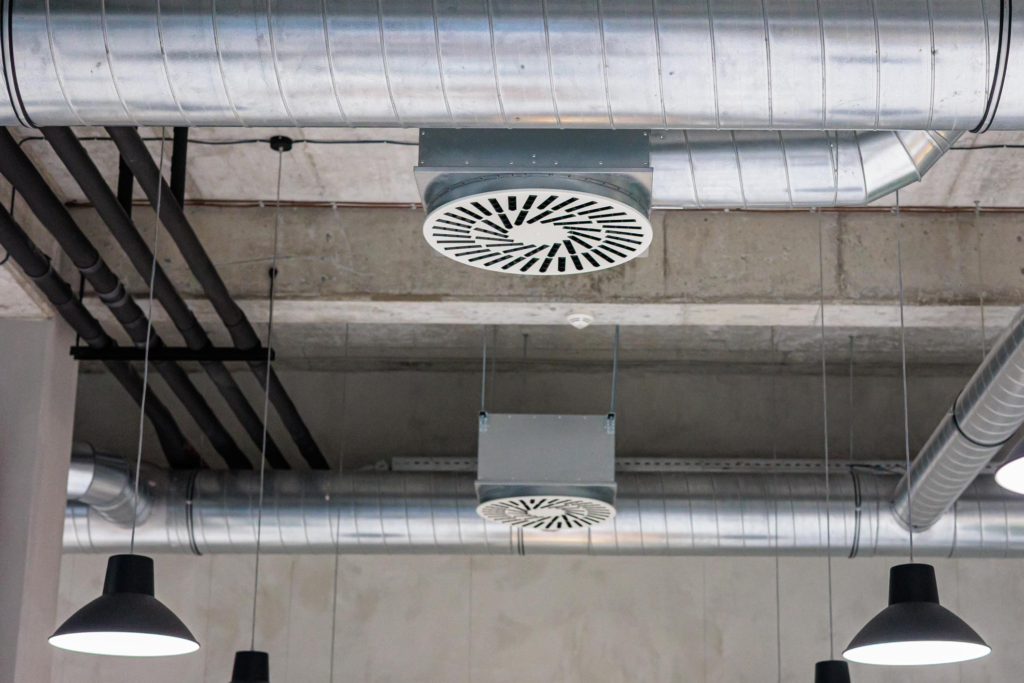
How Indoor Air Quality Improvement Helps Homes in Melbourne in Commercial Buildings
Commercial buildings in Melbourne serve as workplaces, residential mixed-use properties, and community spaces where people spend a large portion of their day. When storms, humidity, or water intrusion affect these structures, indoor air quality often declines without occupants realizing it. Over time, poor air quality can lead to persistent odors, discomfort, and moisture-related issues that affect both the building and the people inside.
Indoor air quality improvement is not only important for offices and commercial properties; it also plays a critical role in residential spaces connected to or located within commercial buildings. Understanding how air quality restoration works helps property owners and managers in Melbourne protect both occupants and the structure itself after moisture or storm-related problems.
Understanding Indoor Air Quality Issues in Commercial Properties
Indoor air quality problems usually develop gradually. In commercial buildings, multiple systems and shared spaces increase the chance that moisture or contamination spreads unnoticed.
Common contributors include:
- Excess indoor humidity
- Water leaks or flooding
- Poor ventilation
- Mold growth in hidden spaces
- Dirty or damp HVAC systems
- Moisture trapped in ductwork or insulation
When these issues remain unresolved, indoor air can circulate contaminants throughout offices, apartments, and shared facilities.
Why Melbourne Buildings Face Frequent Air Quality Challenges
Melbourne and surrounding communities like Palm Bay, Viera, and Rockledge experience environmental conditions that frequently create indoor air concerns.
Key factors include:
- Florida’s year-round humidity
- Seasonal storms and heavy rainfall
- Flooding from tropical systems
- AC systems running constantly to combat heat
- Moisture buildup in duct systems
- Older commercial buildings with aging ventilation systems
When moisture enters walls, ceilings, or duct systems, it becomes difficult to remove without professional assistance. Over time, this moisture can lead to mold growth or air circulation problems affecting multiple units within a building.
Signs Building Occupants Often Notice
Indoor air quality issues often show up in subtle ways before larger problems become obvious. Property managers and tenants commonly report:
- Musty odors in hallways or offices
- Persistent humidity indoors
- Stale or stuffy air circulation
- Increased dust accumulation
- Allergy-like symptoms while indoors
- Condensation near vents or windows
- Mold spots appearing around vents or ceilings
Because many commercial buildings serve both workspaces and residences, poor air quality can affect large numbers of people quickly.
Hidden Sources of Air Quality Problems
Many air quality concerns originate in areas that occupants rarely see. Restoration teams frequently uncover moisture or contamination in:
- HVAC air handlers and duct systems
- Ceiling spaces above offices
- Mechanical rooms and storage areas
- Crawl spaces or utility corridors
- Insulation behind walls
- Roof leaks allowing water into ventilation areas
When these spaces remain damp, HVAC systems can spread contaminants throughout the building every time air circulates.
Why DIY Solutions Rarely Fix the Problem
Commercial property managers sometimes attempt temporary solutions like replacing air filters or increasing airflow. While helpful, these steps often fail to address the root problem.
Common limitations include:
- Inability to locate hidden moisture
- Failure to clean internal duct contamination
- Lack of industrial drying equipment
- Missed mold growth inside ventilation systems
- Short-term odor control without removing sources
Without professional inspection and treatment, indoor air quality issues typically return.
How Professional Inspection Identifies the Root Cause
Indoor air quality improvement begins with a thorough inspection. Specialists evaluate both visible and hidden areas to locate moisture and contamination sources.
Professional evaluation may include:
- Moisture detection inside walls and ceilings
- HVAC and ductwork inspections
- Air sampling and surface testing if mold is suspected
- Humidity measurements
- Identification of ventilation deficiencies
Once technicians understand where contamination or moisture originates, restoration can begin with confidence.
The Indoor Air Quality Improvement Process
Effective air quality restoration follows a systematic process designed to eliminate contaminants rather than mask them.
Key steps typically include:
Moisture Source Correction
Leaks or water intrusion are addressed first to stop ongoing contamination.
Professional Drying
Industrial dehumidifiers and air movers remove moisture from hidden areas.
Air Duct Cleaning
HVAC systems and ducts are cleaned to prevent contaminated air circulation.
Air Scrubbing and Filtration
Air scrubbers capture airborne particles and spores during restoration.
Removal of Damaged Materials
Water-damaged materials that cannot be saved are safely removed.
Sanitizing and Odor Control
Affected areas are treated to eliminate lingering odors and contaminants.
This process ensures both air quality and structural safety are restored.
Flood Damage and Its Impact on Air Quality
After storms or flooding events in Melbourne, commercial buildings frequently experience air quality decline due to moisture spreading through multiple floors or shared ventilation systems.
Flood restoration plays a critical role in preventing mold and airborne contamination from developing after water intrusion. Drying and cleaning affected spaces quickly helps keep indoor air safe for occupants.
Buildings near coastal areas like Satellite Beach and Cocoa Beach are especially vulnerable due to storm surge and heavy rainfall patterns.
HVAC Systems and Air Quality in Commercial Spaces
Commercial HVAC systems move large volumes of air, meaning any contamination inside ducts spreads quickly throughout the building.
Common HVAC-related air quality problems include:
- Mold growth inside air handlers
- Condensation buildup in ducts
- Dirty coils and filters
- Poor airflow balance
- Inadequate ventilation rates
Professional maintenance and duct cleaning restore airflow and help prevent contamination circulation.
Preventing Future Indoor Air Quality Problems
Commercial property owners and managers can reduce future air quality issues by focusing on moisture prevention and maintenance.
Helpful steps include:
- Regular HVAC inspections and cleaning
- Prompt repair of roof or plumbing leaks
- Maintaining proper humidity levels
- Inspecting crawl spaces and ceiling cavities
- Cleaning and maintaining drainage systems
- Scheduling periodic moisture inspections
Buildings that stay dry and properly ventilated experience far fewer indoor air concerns.
Why Local Experience Matters in Melbourne
Commercial properties in Melbourne differ in age, construction style, and environmental exposure. Restoration professionals familiar with local building conditions understand how humidity, storms, and coastal weather affect structures in Brevard County.
Technicians experienced in working across Palm Bay, Merritt Island, and surrounding areas recognize common moisture patterns and can tailor restoration plans to local challenges.
Many property managers trust experienced local specialists such as Palm Bay Mold Removal because they understand how Florida’s climate affects both residential and commercial properties, offering solutions grounded in regional experience rather than generic approaches.
Taking Action to Protect Building Occupants
Indoor air quality problems often start quietly but can grow quickly if ignored. Addressing moisture, mold risks, and ventilation concerns early helps commercial buildings remain comfortable and safe for everyone inside.
When property owners respond quickly after storms or notice air quality changes, restoration becomes simpler and less disruptive. Professional inspections and improvements help ensure occupants enjoy clean, healthy indoor environments while protecting the building’s long-term value.
For Melbourne commercial properties connected to residential spaces, improving indoor air quality supports both business operations and everyday living, making early action one of the most important investments a property owner can make.