
How Flood Restoration Helps Homes in Viera After Hurricanes
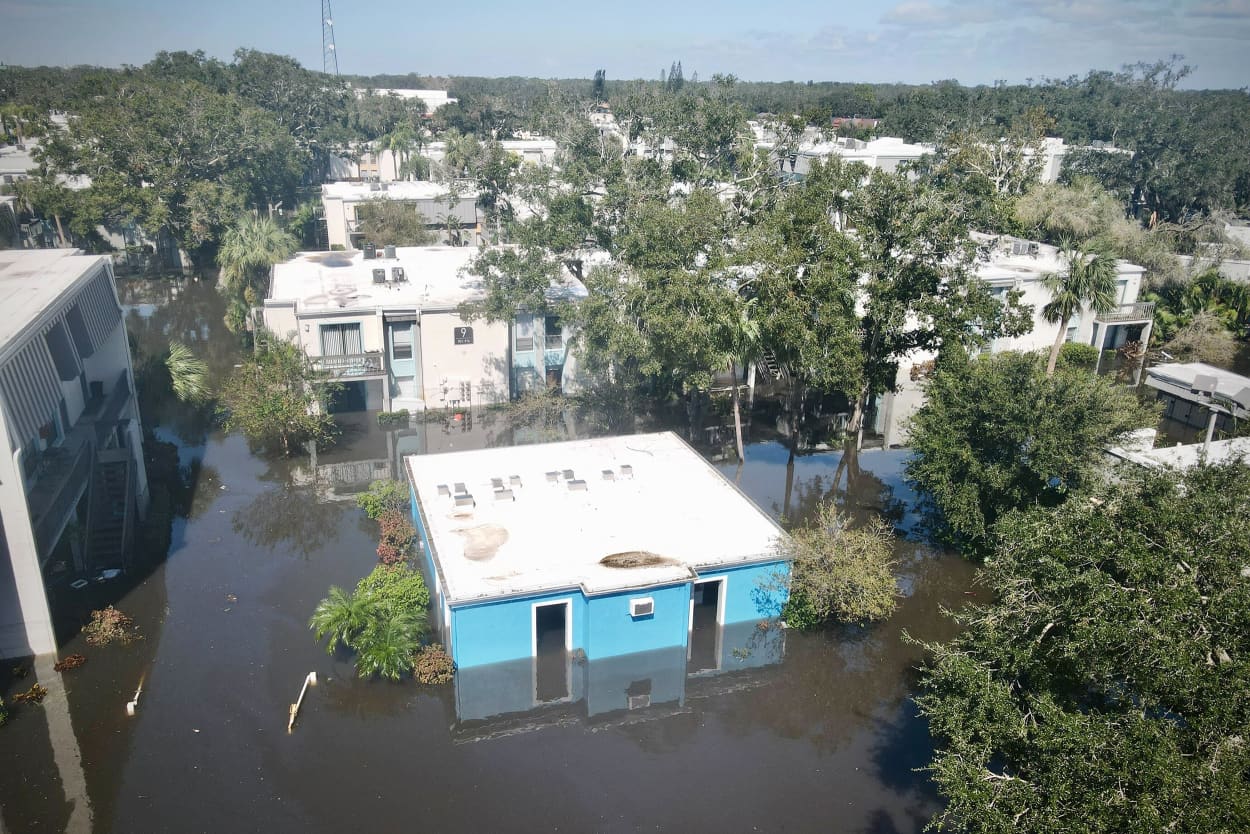
Hurricane season in Viera is not just about wind. It’s about water. Even when homes are built to modern standards, heavy rainfall, storm surge, overflowing retention ponds, and wind-driven intrusion can leave standing water inside living spaces.
When hurricane flooding occurs, the visible water is only part of the problem. Moisture seeps into drywall, insulation, baseboards, cabinetry, and subfloors. In Florida’s humid climate, that trapped moisture does not dry naturally. Without professional flood restoration, structural damage and mold growth can develop quickly.
Flood restoration helps Viera homeowners stabilize their properties, prevent long-term damage, and restore indoor environments safely after hurricane events.
Here’s how the process works — and why early response makes such a difference.
Why Hurricane Flooding Is Especially Challenging in Viera
Viera’s planned communities include retention systems and modern drainage designs, but hurricanes can overwhelm even well-designed infrastructure.
During major storms, homes may experience:
Heavy roof runoff
Wind-driven rain intrusion
Overflowing drainage systems
Rising groundwater
Garage or entry point water intrusion
Even homes that avoid direct surge can sustain interior water damage from prolonged rainfall.
Nearby areas like Rockledge and Suntree experience similar storm exposure, but elevation and lot grading influence how water collects.
Once floodwater enters a home, it spreads quickly through connected spaces.
Immediate Risks After Hurricane Flooding
After water enters the home, several issues develop simultaneously:
Saturated drywall
Wet insulation
Damp flooring
Elevated indoor humidity
Electrical safety concerns
Standing water also increases pressure on baseboards and lower wall sections.
The longer water sits, the deeper it penetrates materials.
Prompt flood restoration reduces structural weakening.
Step-by-Step Flood Restoration Process
Step 1: Safety and Damage Assessment
The first priority is safety.
Inspection includes:
Checking electrical systems
Evaluating structural stability
Determining contamination levels
Identifying the source of intrusion
Hurricane floodwater may contain debris or contaminants.
Restoration planning begins after safety is confirmed.
Palm Bay Mold Removal often begins Viera hurricane responses with a structured safety inspection before extraction begins.
Step 2: Water Extraction
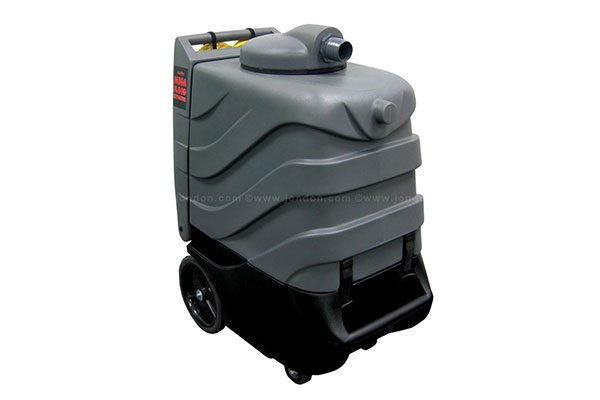
High-powered commercial extraction equipment removes standing water from:
Tile floors
Hardwood flooring
Carpeted areas
Garages
Lower cabinets
Professional extractors remove significantly more water than household equipment.
Rapid removal reduces how deeply water saturates structural materials.
Step 3: Moisture Detection and Mapping
Floodwater rarely stays confined to visible areas.
Moisture meters and thermal imaging identify dampness in:
Drywall
Framing
Subfloors
Insulation
Ceiling cavities
Mapping defines wet and dry boundaries.
Surface dryness does not confirm structural dryness.
Accurate detection prevents hidden damage from being overlooked.
Step 4: Removal of Saturated Materials
Porous materials often require selective removal if saturation is extensive.
This may include:
Carpet padding
Lower drywall sections
Insulation
Baseboards
Removing only affected sections limits reconstruction costs.
Leaving saturated materials increases mold risk.
Step 5: Controlled Drying and Dehumidification
Drying involves:
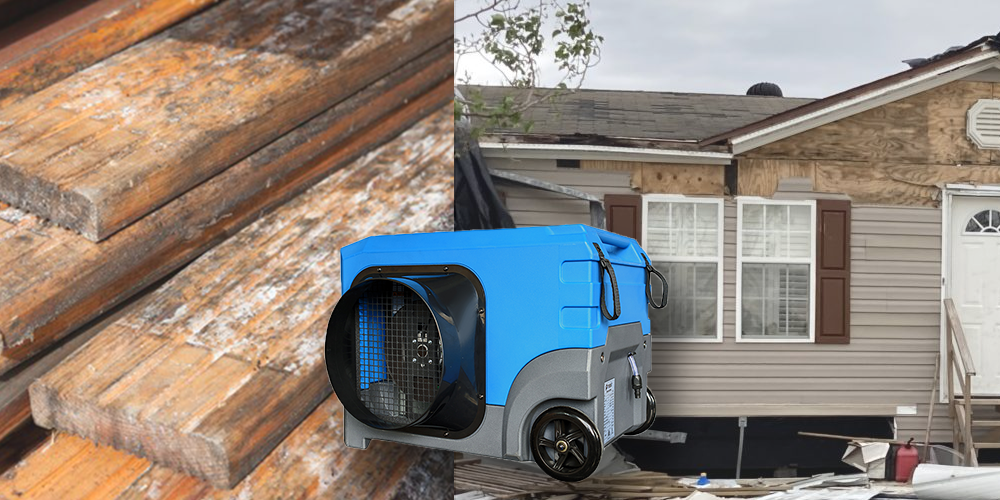
Commercial dehumidifiers
High-velocity air movers
Humidity monitoring
Airflow balancing
Florida’s post-hurricane humidity slows evaporation.
Indoor humidity should remain below 60 percent during drying.
Moisture readings confirm when materials reach stable levels.
Reconstruction should not begin until drying is verified.
How Flood Restoration Prevents Mold
Florida’s warm climate creates ideal conditions for mold growth when materials remain damp beyond 24 to 48 hours.
Prompt extraction and controlled drying significantly reduce contamination risk.
If floodwater remains trapped in wall cavities or insulation, mold may develop quietly.
Professional moisture detection ensures hidden dampness is addressed.
Early restoration prevents larger remediation projects later.
Structural Protection After Hurricanes
Flood restoration also protects long-term structural integrity.
Drywall loses strength when saturated.
Insulation compresses and loses effectiveness.
Subfloors may warp if moisture remains.
By stabilizing materials quickly, restoration helps preserve structural components and reduce reconstruction scope.
HVAC and Air Quality Considerations
Hurricane flooding can affect HVAC systems.
Inspection may include:
Checking air handlers
Inspecting duct insulation
Replacing air filters
Ensuring condensate drainage
Balanced airflow supports drying.
If moisture enters duct systems, further cleaning may be required.
Maintaining indoor air stability is part of complete restoration.
Preventing Future Hurricane Damage
Viera homeowners can reduce flood risk by:
Inspecting roof seals annually
Maintaining yard grading and drainage
Clearing gutters before storm season
Installing water detection sensors
Monitoring indoor humidity after storms
Ensuring sump systems function properly
Routine maintenance reduces the severity of future events.
Preparedness shortens recovery time.
Why Local Experience Matters
Viera homes range from newer concrete block construction to larger multi-level properties.
Florida’s hurricane patterns create moisture behavior different from inland flooding.
Professionals familiar with Brevard County construction understand slab foundations, roofing systems, and HVAC layouts common in Viera neighborhoods.
Palm Bay Mold Removal has worked extensively throughout Viera and surrounding communities, addressing hurricane-related flood damage specific to Florida’s coastal environment.
Protecting Your Home After a Hurricane
Flood restoration in Viera after hurricanes requires more than removing standing water. It involves structured inspection, accurate moisture mapping, controlled drying, and preventative planning.
Ignoring hidden moisture increases long-term repair costs.
By combining rapid response, professional extraction, precise detection, and proper drying, homeowners can protect their properties effectively.
In Florida’s humid climate, early flood restoration remains one of the most reliable ways to prevent structural damage and long-term mold issues after hurricanes.
Word Count: 1,347 words