How Flood Restoration Helps Homes in Palm Bay from AC Condensation
Most homeowners think of flooding as something caused by storms or plumbing failures. But in Palm Bay, water damage often starts in a quieter way—air-conditioning condensation. When moisture builds up inside HVAC systems or ductwork, it can leak into ceilings, walls, and floors. Over time, that slow accumulation of water can create damage similar to a minor flood.
Flood restoration isn’t only for major disasters. It also plays an important role in restoring homes affected by hidden moisture and condensation issues, helping prevent mold, structural damage, and indoor air problems.
How AC Condensation Leads to Water Damage
Air conditioners remove humidity from the air, which creates condensation. Normally, this moisture drains through a condensate line and exits the home safely. Problems begin when that drainage system becomes clogged or when components begin to leak.
Condensation-related damage often develops in:
- Air handler closets
- Attic duct systems
- Ceiling cavities around vents
- Walls near HVAC lines
- Flooring beneath units
Because this water accumulates gradually, homeowners may not notice the issue until staining or odors appear.
Why This Happens Frequently in Palm Bay
Palm Bay’s climate plays a major role in condensation problems. High humidity levels, especially during summer and rainy seasons, cause AC systems to run almost constantly.
Several local factors increase risk:
- Warm, humid outdoor air entering attic spaces
- Poorly insulated ductwork
- Continuous cooling cycles
- Heavy seasonal rain raising indoor humidity
- Older drainage systems becoming clogged
Homes in nearby communities such as Melbourne, West Melbourne, and Viera often experience similar conditions, especially when ventilation is limited.
Early Signs That Water Damage May Be Developing
Condensation-related flooding rarely begins with standing water. Most homeowners notice subtle warning signs first.
Common early indicators include:
- Water stains on ceilings near vents
- Damp or musty odors
- Paint bubbling or peeling
- Soft or warped drywall
- Increased indoor humidity
These signs should never be ignored. Small moisture problems can expand quickly in Florida’s humid environment.
Hidden Sources of Condensation Damage
Some of the most serious moisture issues begin in areas homeowners rarely inspect.
Hidden causes often include:
- Blocked condensate drain lines
- Leaking evaporator coils
- Wet duct insulation in attics
- Air leaks pulling humid air into ducts
- Poor attic ventilation
In many Palm Bay homes, attic ductwork is particularly vulnerable because temperature differences between attic air and cooled air inside ducts create condensation.
Why DIY Cleanup Is Often Not Enough
When homeowners notice moisture, they often try drying the area with fans or towels. While this may remove visible water, deeper moisture frequently remains trapped inside materials.
DIY cleanup often fails because:
- Moisture remains inside drywall or insulation
- Humidity levels stay elevated
- Mold begins forming in hidden areas
- Structural materials never fully dry
Without proper drying equipment and moisture monitoring, damage may continue unnoticed.
How Professional Inspection Identifies the Problem
Flood restoration usually begins with a detailed inspection to determine how far moisture has spread. Professionals use specialized tools to detect water in areas that appear dry.
Inspection methods may include:
- Moisture meters to check walls and flooring
- Thermal imaging to locate hidden damp areas
- Humidity measurements
- Airflow and ventilation assessments
Teams familiar with local conditions, such as Palm Bay Mold Removal, often focus on identifying the original moisture source so that repairs address the cause, not just the symptoms.
The Flood Restoration and Drying Process
Flood restoration for condensation-related damage follows a structured process designed to restore safe moisture levels and prevent mold growth.
Typical steps include:
- Extracting any standing water
- Removing saturated materials when necessary
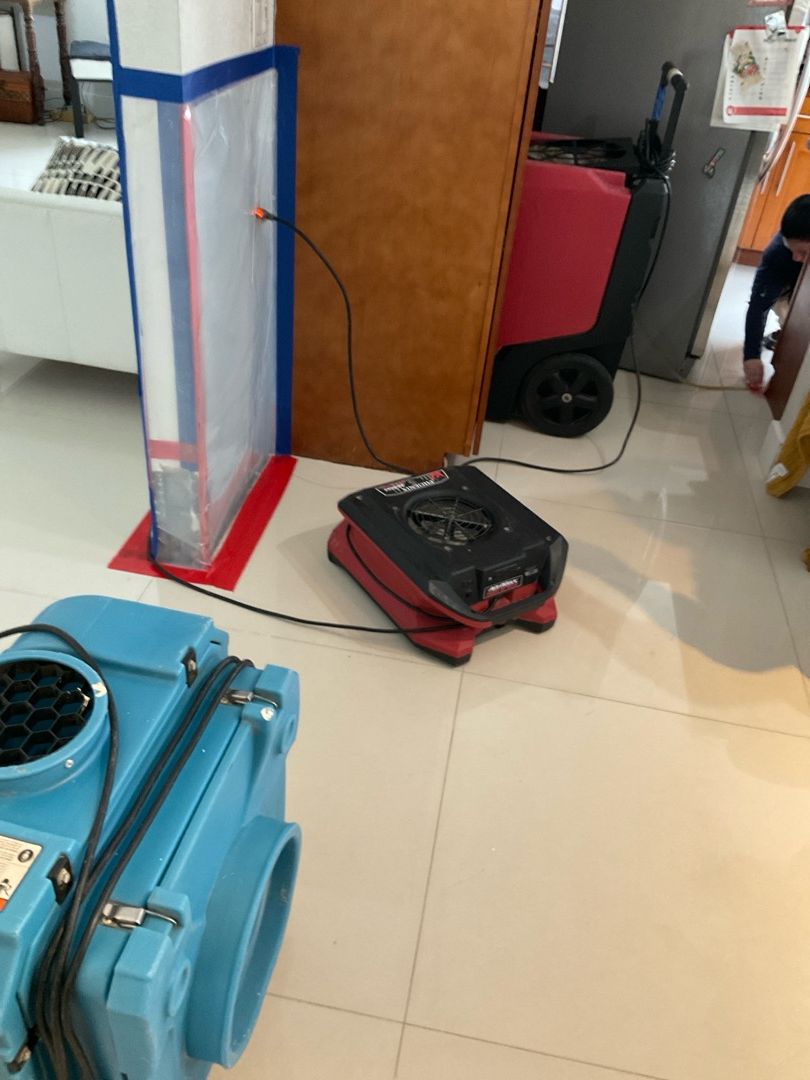
- Setting up air movers and dehumidifiers
- Monitoring moisture levels daily
- Cleaning and treating affected surfaces
- Completing final drying verification
This approach ensures that hidden moisture does not remain trapped inside structural materials.
Repairing Damage After Water Intrusion
Once drying is complete, repairs may be needed depending on the extent of damage.
Common repairs include:
- Replacing sections of drywall
- Repairing ceiling panels
- Reinsulating ducts
- Sealing air leaks
- Restoring flooring
In some cases, improvements to drainage systems or ventilation are recommended to prevent recurrence.
Air Ducts, Ventilation, and Moisture Control
Air ducts and ventilation systems play a major role in condensation problems. Poor airflow allows moisture to linger and increases the chance of mold growth.
Ventilation issues that contribute to water damage include:
- Blocked return vents
- Dirty air filters
- Leaky ducts
- Poor attic airflow
Routine duct cleaning and HVAC maintenance help maintain proper airflow and reduce condensation risks.
How Homeowners Can Prevent Condensation Damage
Prevention is often simple and cost-effective. Regular maintenance and awareness can significantly reduce the likelihood of water damage.
Helpful prevention steps include:
- Checking condensate drain lines periodically
- Replacing air filters regularly
- Inspecting attic duct insulation
- Scheduling annual HVAC service
- Monitoring indoor humidity levels
Homes in coastal areas like Satellite Beach and Cocoa Beach benefit especially from proactive maintenance because humidity remains high throughout the year.
Why Local Experience Makes a Difference
Palm Bay homes are built to handle Florida’s climate, but humidity, storms, and heavy AC use still create challenges. Professionals who work in this region understand common moisture patterns and typical building layouts.
Local experience helps technicians:
- Identify likely condensation points quickly
- Recommend practical ventilation improvements
- Recognize seasonal risk factors
This knowledge often results in faster, more effective restoration.
A Practical, Calm Next Step for Homeowners
Water damage from AC condensation can develop quietly, but it’s usually manageable when addressed early. Paying attention to small warning signs—such as stains, odors, or humidity changes—can prevent larger repairs later.
Flood restoration helps homes return to safe, dry conditions and prevents long-term structural or mold problems. With routine maintenance and timely inspections, most condensation issues can be resolved before they become serious.